RotiAI

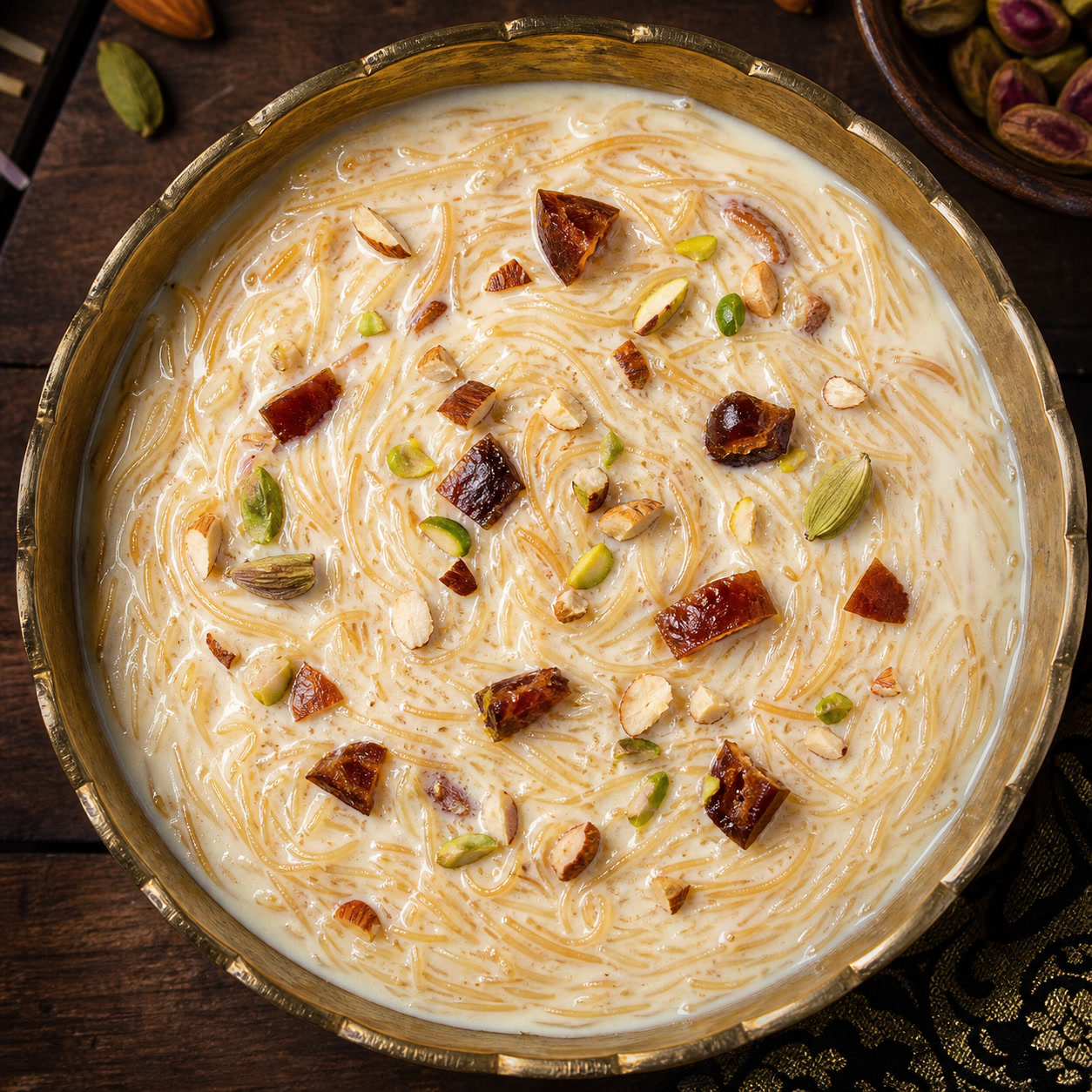
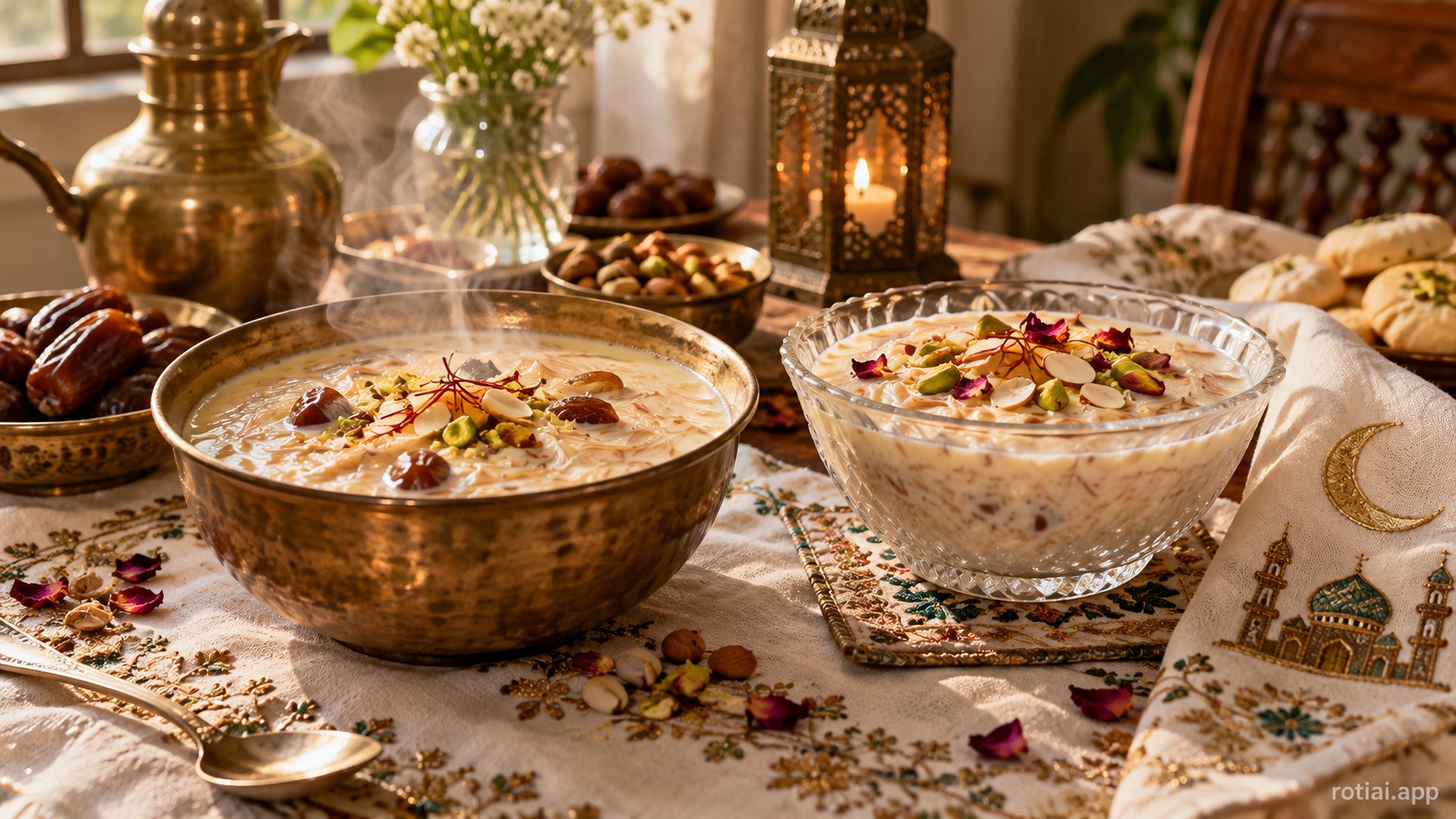
Eid is the one morning of the year when the kitchen goes into celebration mode. After a month of fasting, the table has to feel special — and in most Pakistani homes that means two dishes above all: a warm bowl of Sheer Khurma (شیر خرما) to start the day sweet, and a big degh of Mutton Pulao (مٹن پلاؤ) for the family lunch. These two Eid special recipes are the heart of the festivities, made with real ingredients and honest cook times so your Eid table comes together without stress.
Make the sheer khurma first thing — it’s the traditional way to break Eid morning — then let the pulao simmer while the guests arrive.
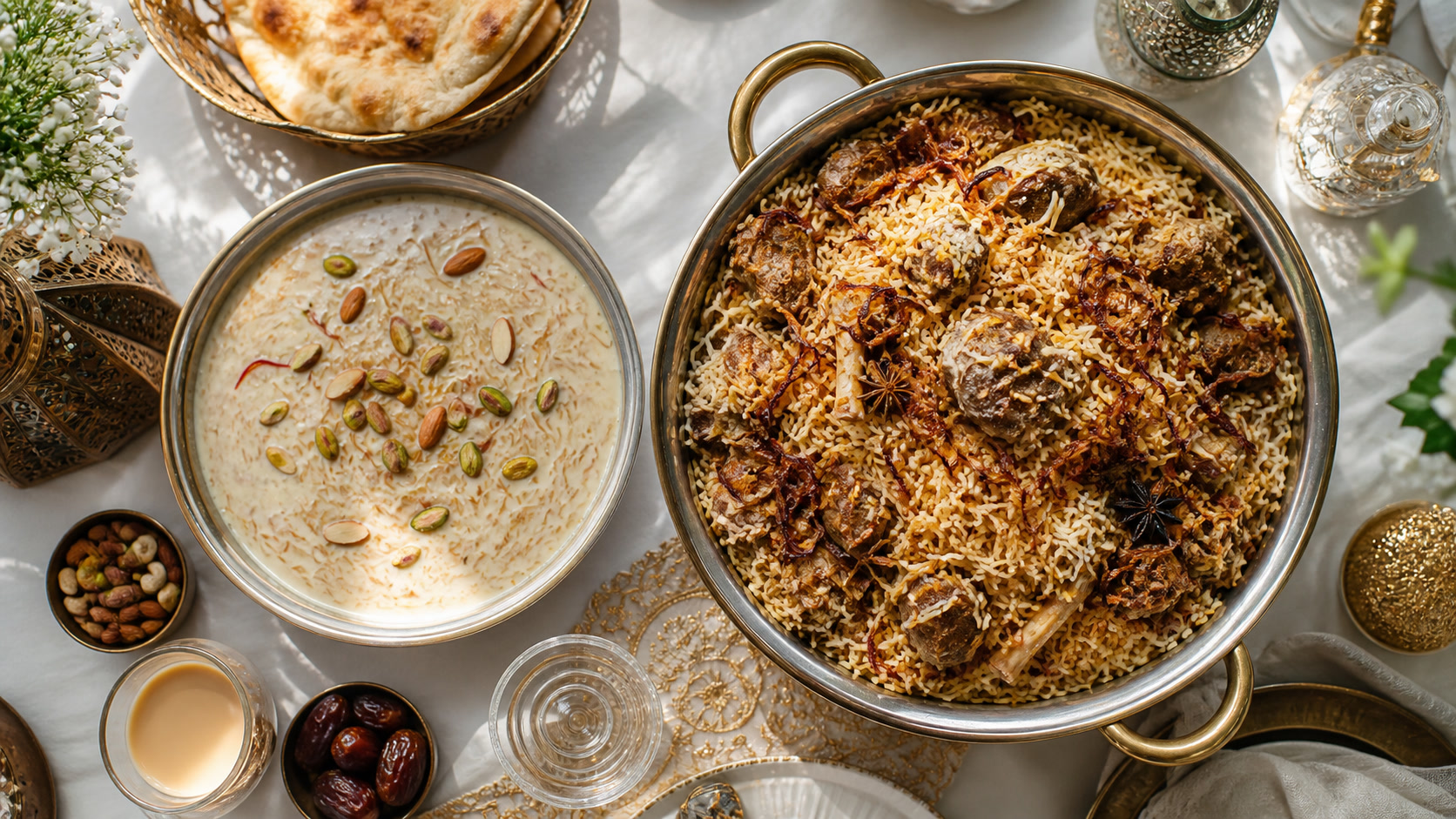
Why sheer khurma comes first on Eid morning
There’s a specific order to Eid ul-Fitr morning in most Pakistani households: prayers first, then sheer khurma, and only then does the rest of the day’s cooking begin. The tradition traces back to the idea of “breaking” the month of fasting with something sweet, mirroring the way each daily fast is broken with dates — sheer khurma is essentially that same instinct scaled up into a full celebratory dish.
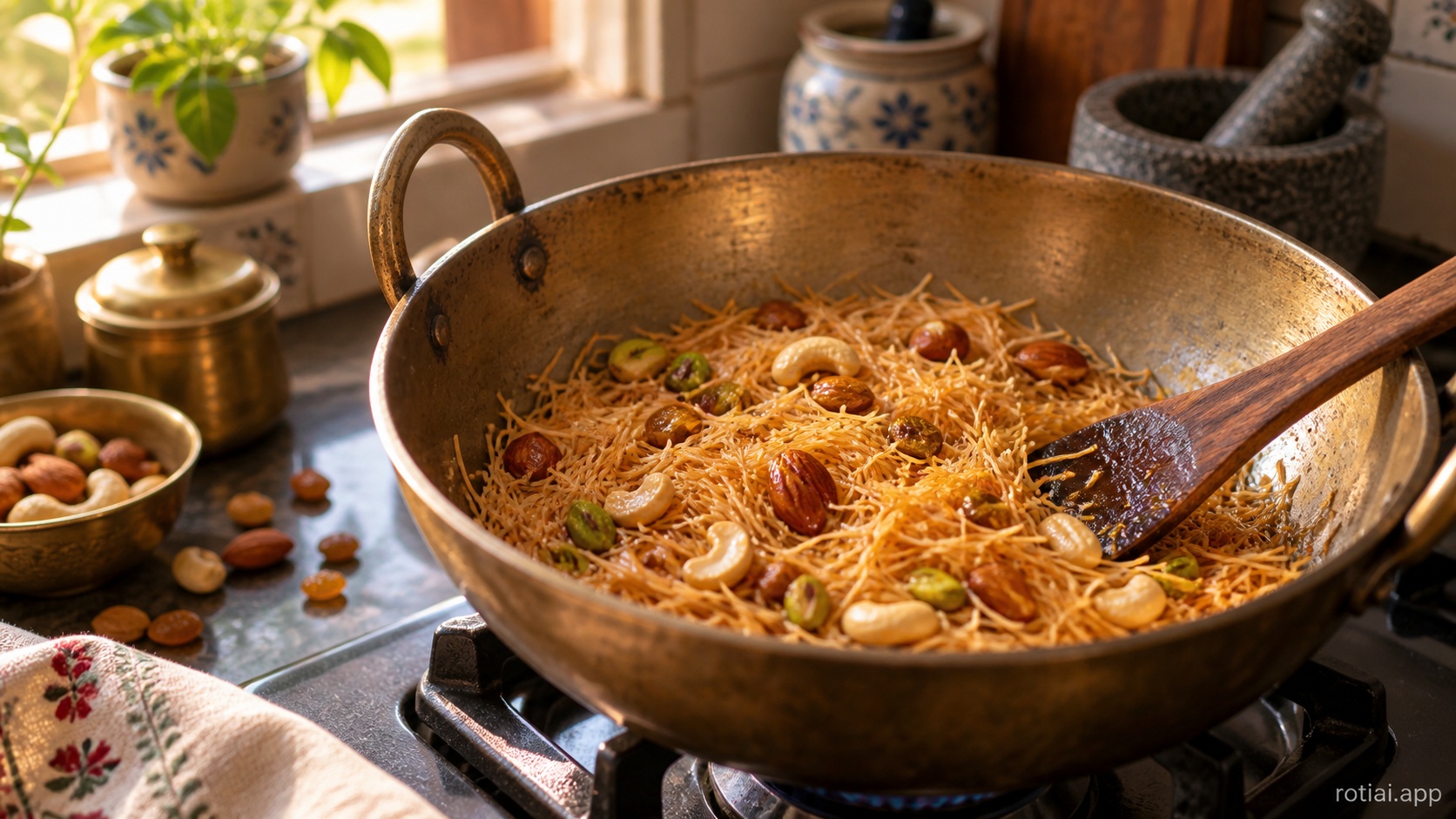
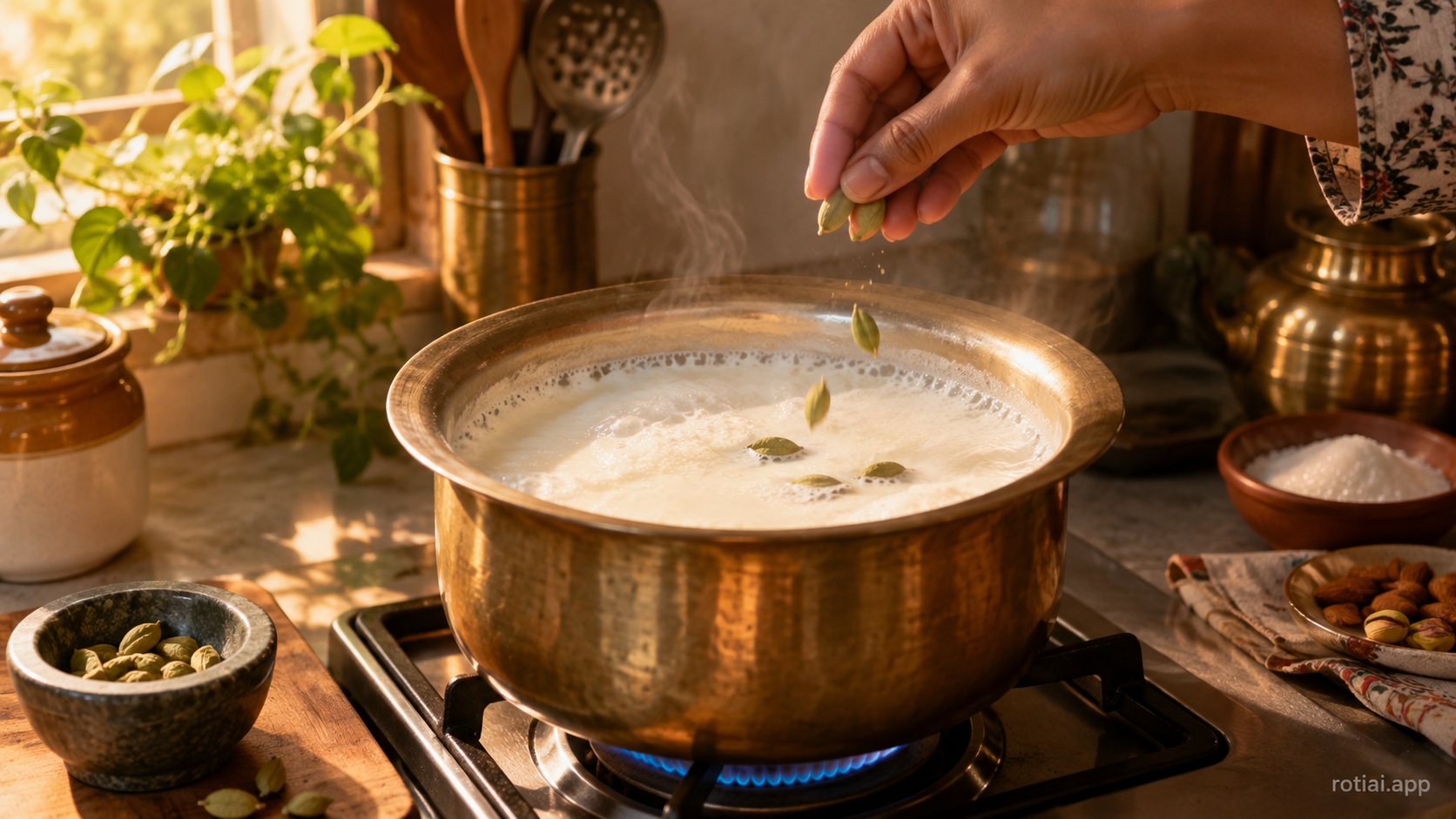
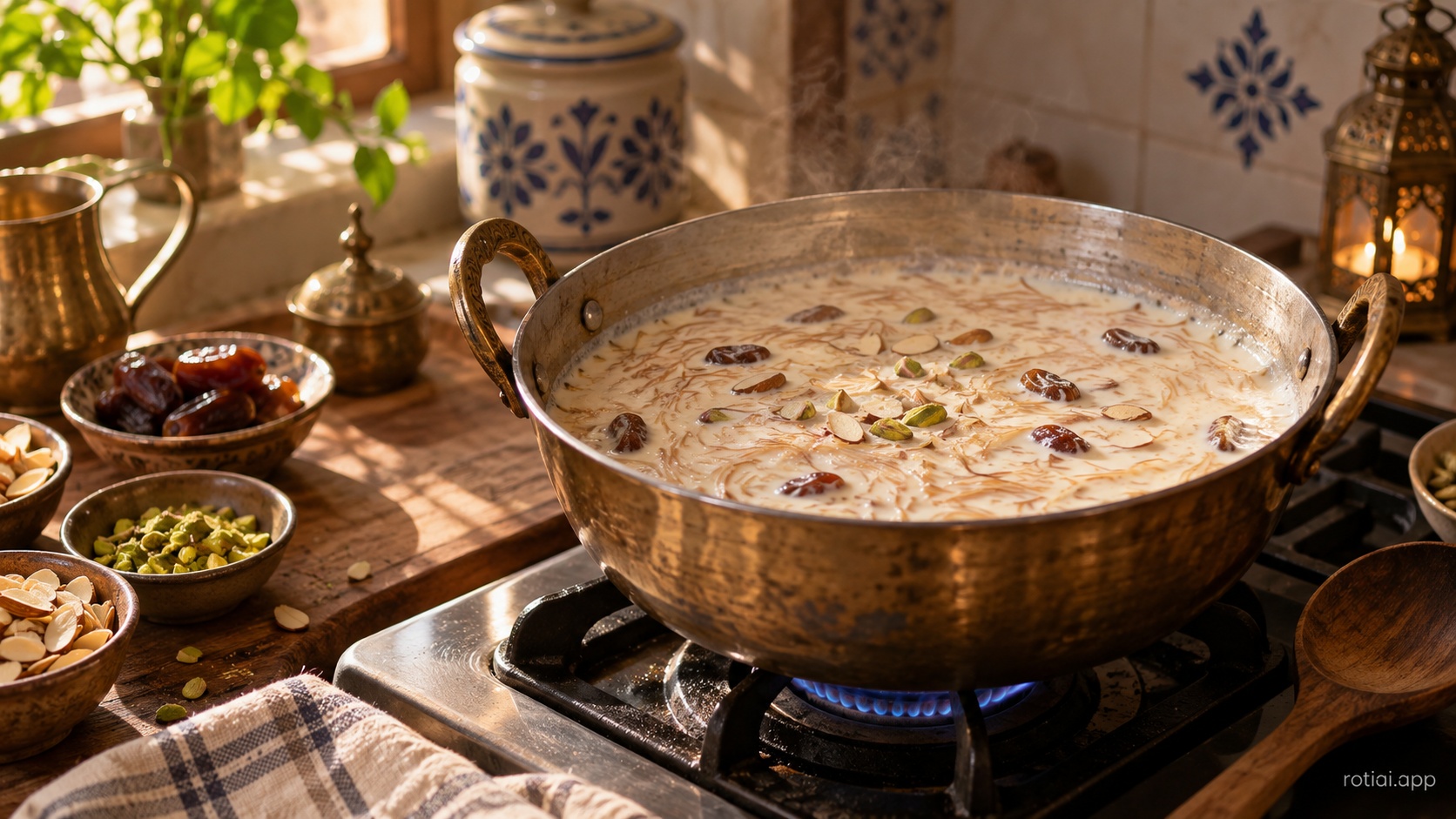
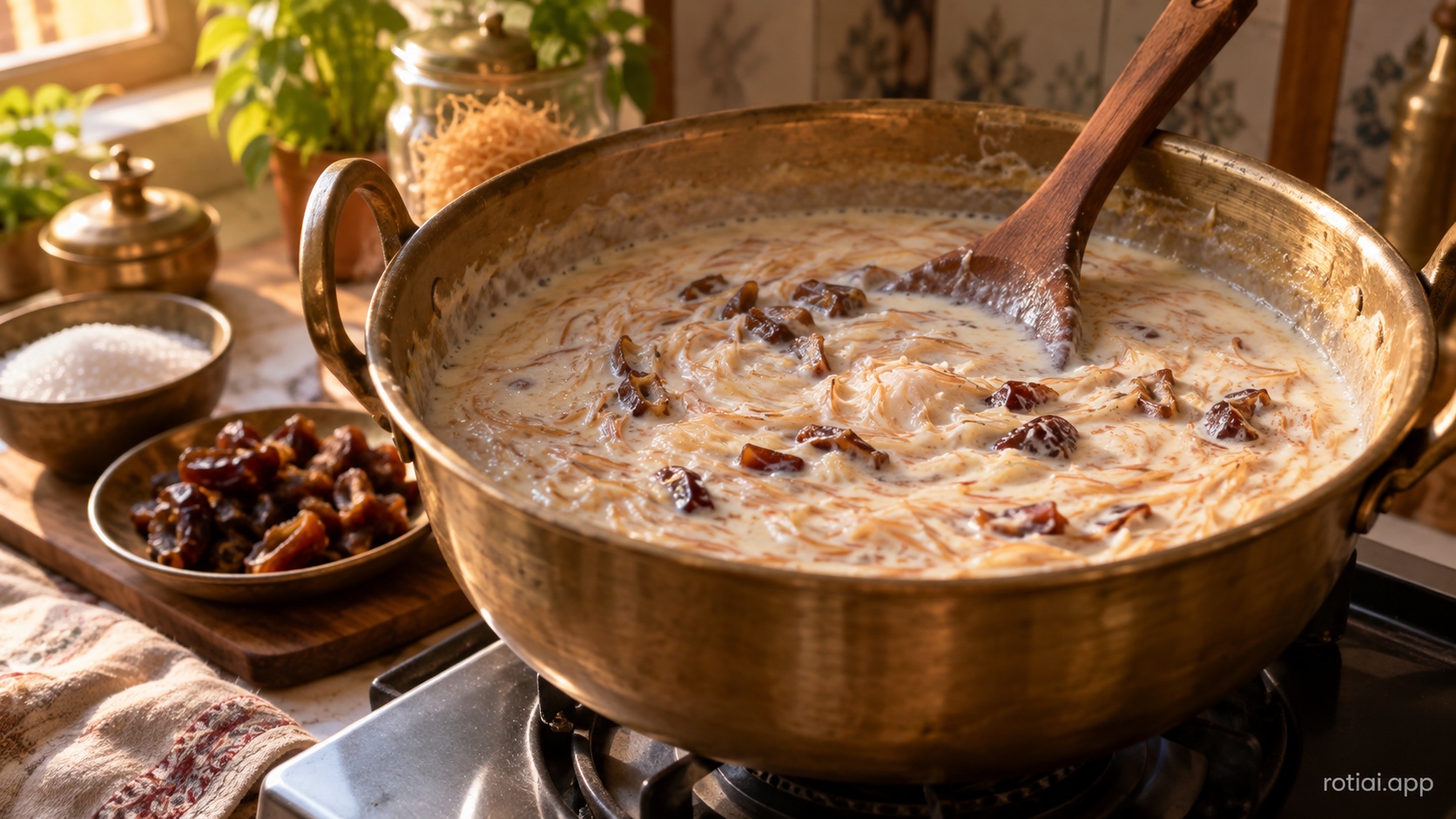
Vermicelli toasted in ghee until deep golden gives the dish its signature nutty aroma, and slow-simmering it in whole milk rather than diluted milk is what gives sheer khurma its characteristically rich, slightly thickened texture rather than a thin, milky soup.
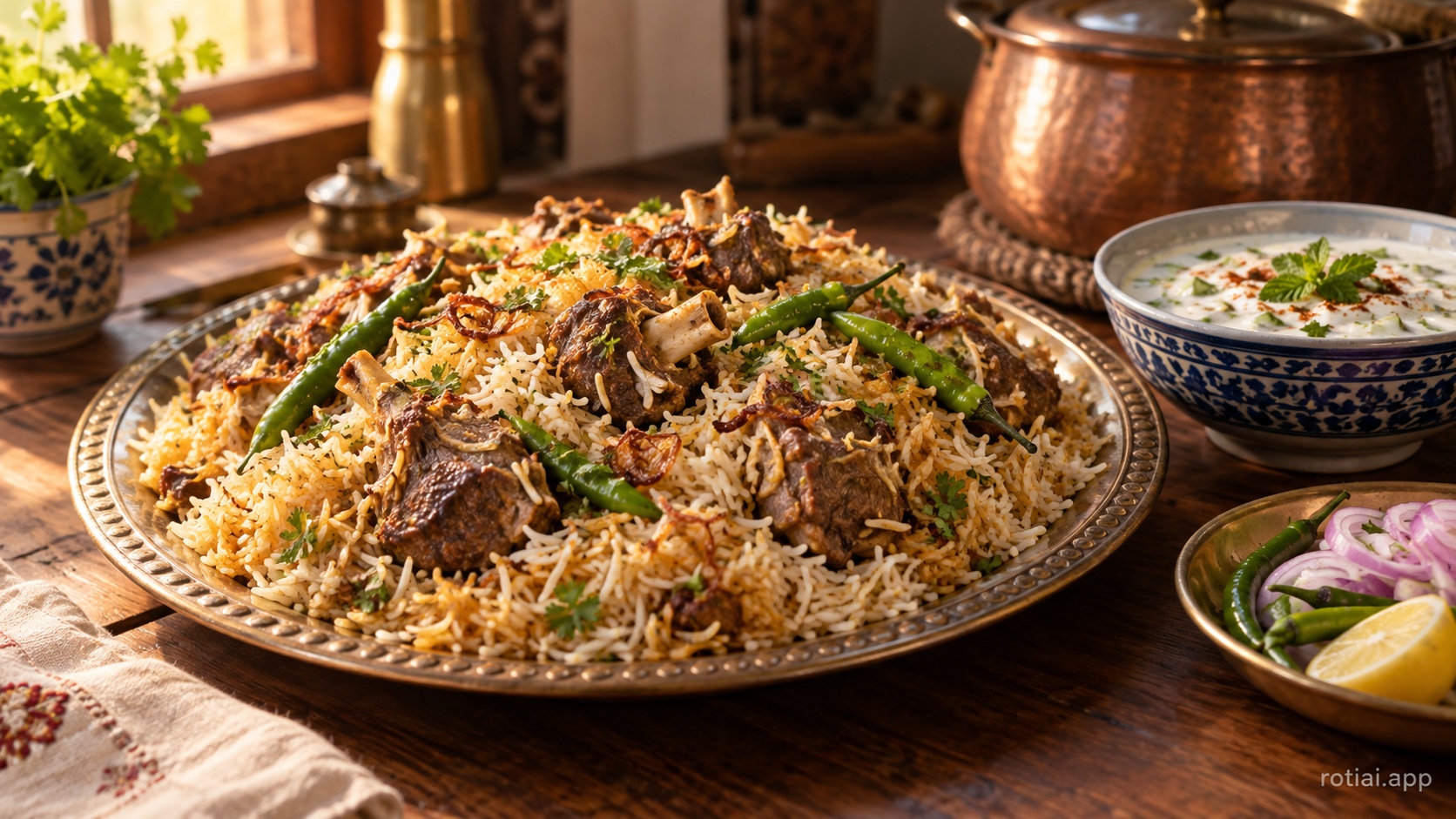
Getting the mutton pulao right for a crowd
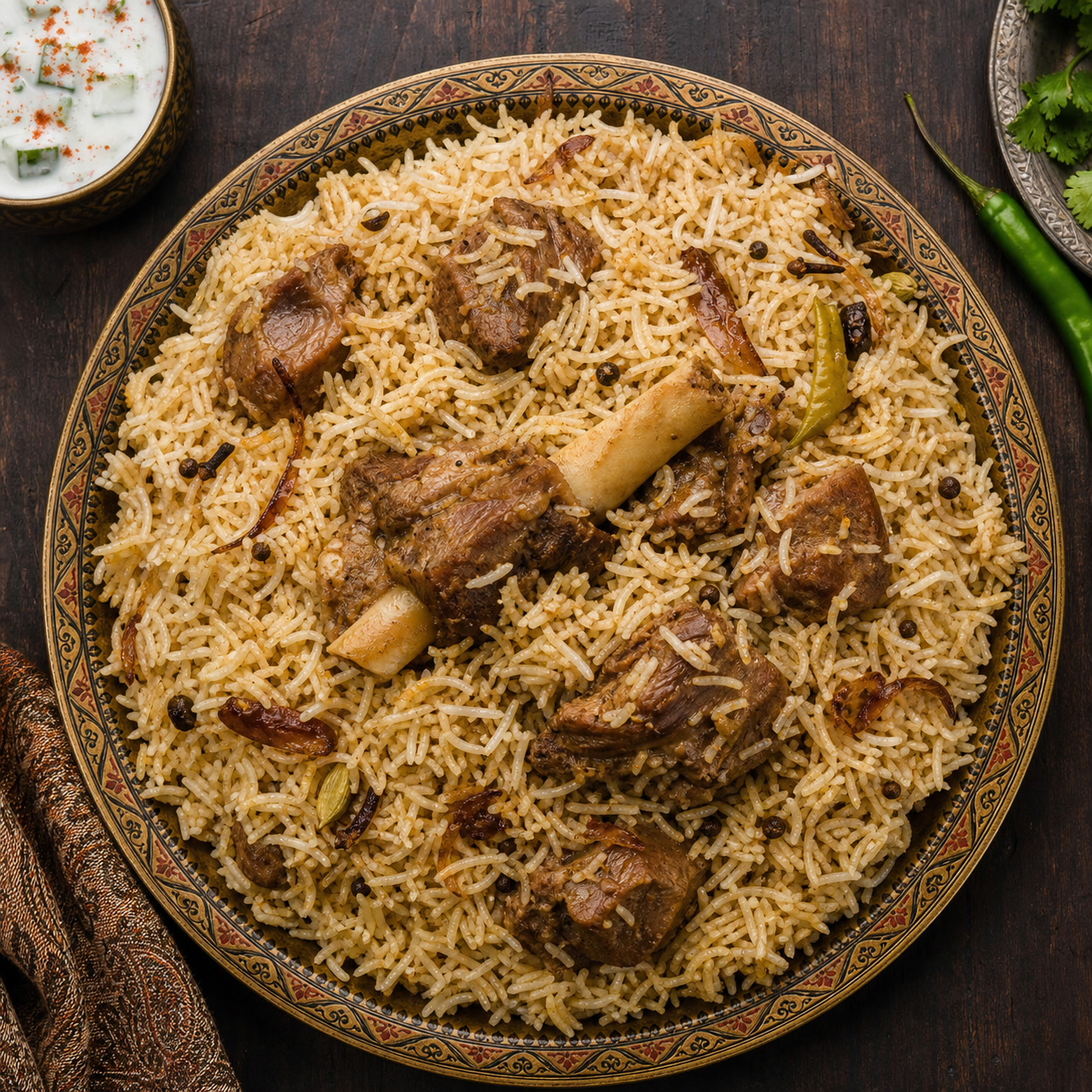
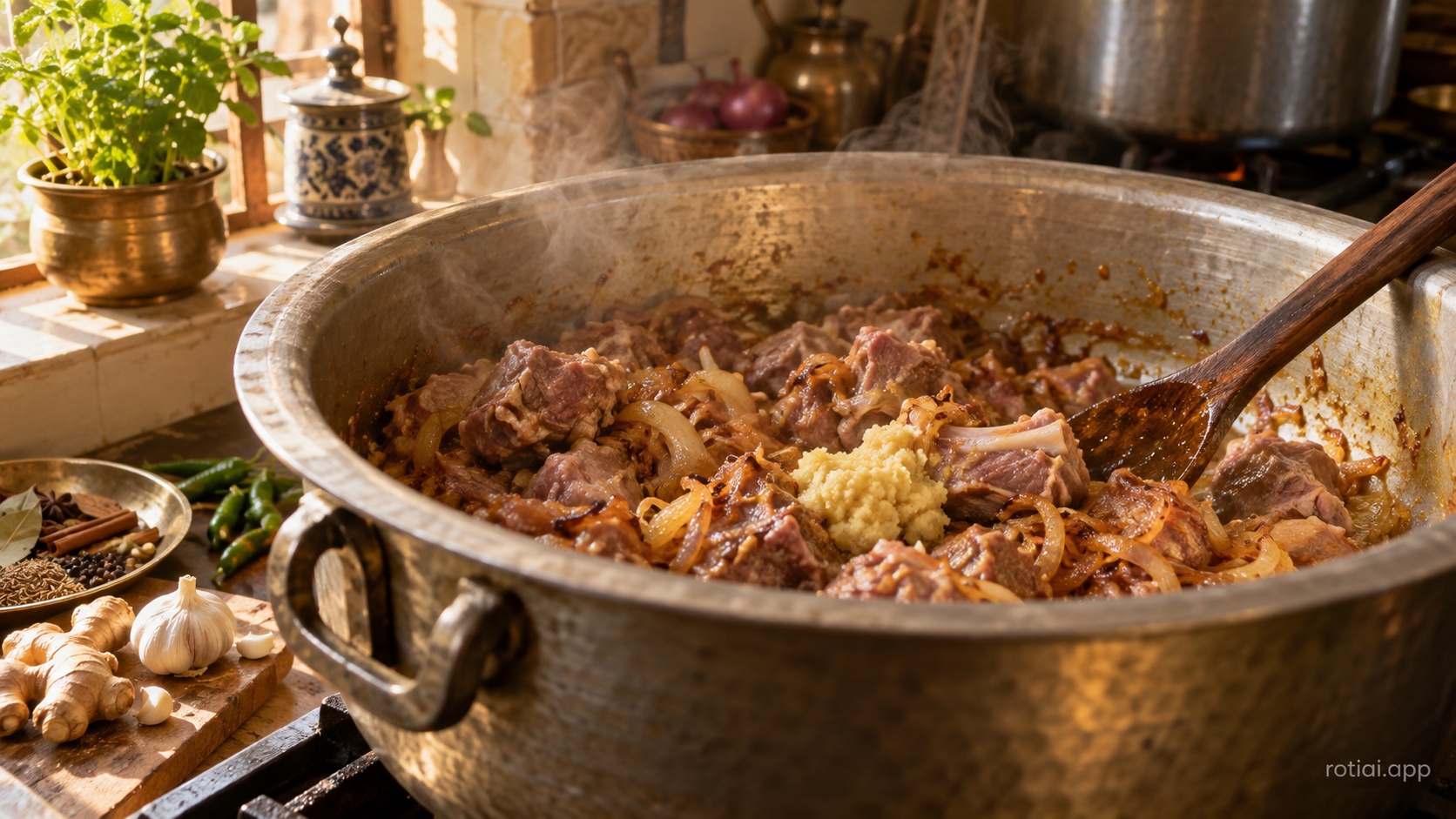
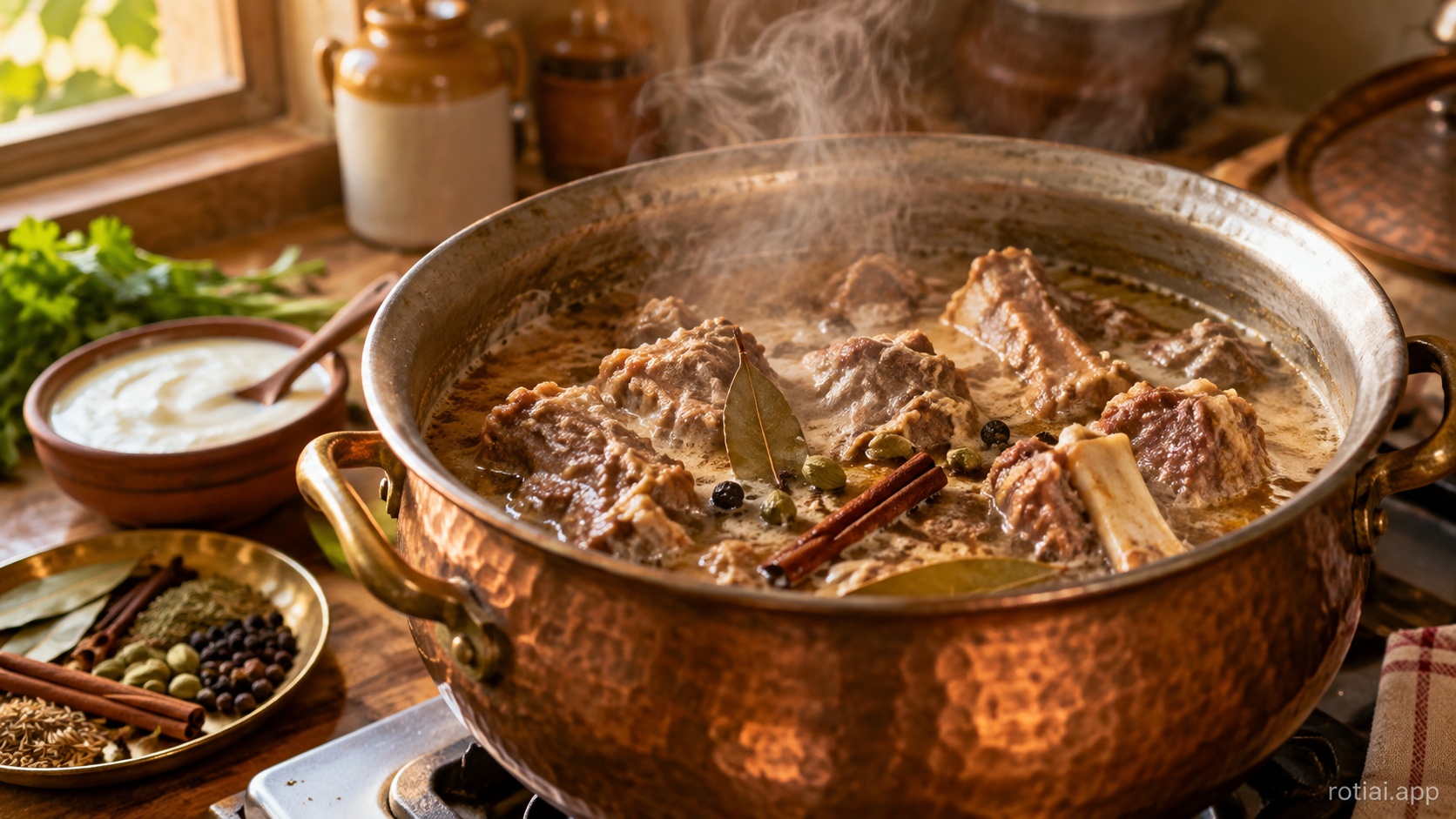
Mutton pulao is a dish built around patience with the yakhni (stock). The mutton needs enough time in the pot with the whole spices and yogurt to actually tenderize and release flavour into the liquid — rushing this stage is the single biggest reason mutton pulao tastes flat instead of deeply savoury.
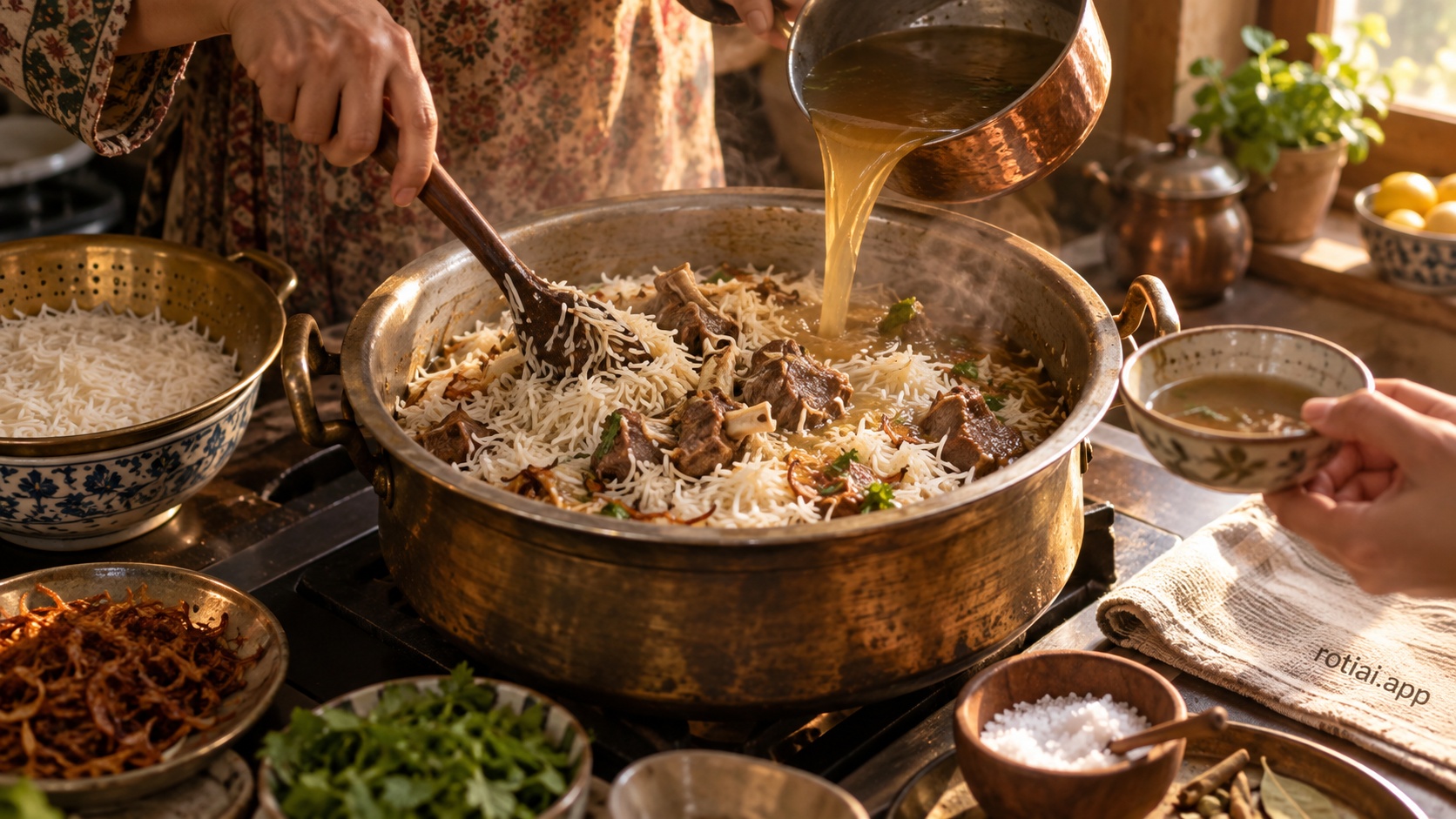
A good rule of thumb passed down in most desi kitchens is to build the yakhni until the mutton is nearly fork-tender before the rice ever goes in, since the rice will only finish cooking in the residual liquid and steam, not add any more flavour of its own. If you’re scaling this recipe up for a large Eid gathering, keep the rice-to-yakhni ratio consistent rather than just adding more water — diluted yakhni is the most common way home cooks end up with bland pulao on a big cooking day.
Building out the rest of the Eid spread
Sheer khurma and mutton pulao are the anchors, but most Eid tables round things out with a simple raita to cut through the richness of the pulao, and something crunchy on the side like salad or papad. If you’re hosting, it helps to make the sheer khurma the night before Chaand Raat and simply reheat it gently on Eid morning — it holds its texture well and frees up the stove for the pulao, which is best made fresh.
Common Eid Special Recipes: Sheer Khurma & Mutton Pulao recipe mistakes to avoid
- Boiling the milk too hard for sheer khurma. A rolling boil can scorch the milk at the bottom of the pan and give the dish a burnt undertone. Keep it at a gentle simmer, stirring occasionally.
- Adding dates too early. Dates cooked too long in sheer khurma break down completely and lose their distinct bite. Add them in the last five minutes as the recipe describes.
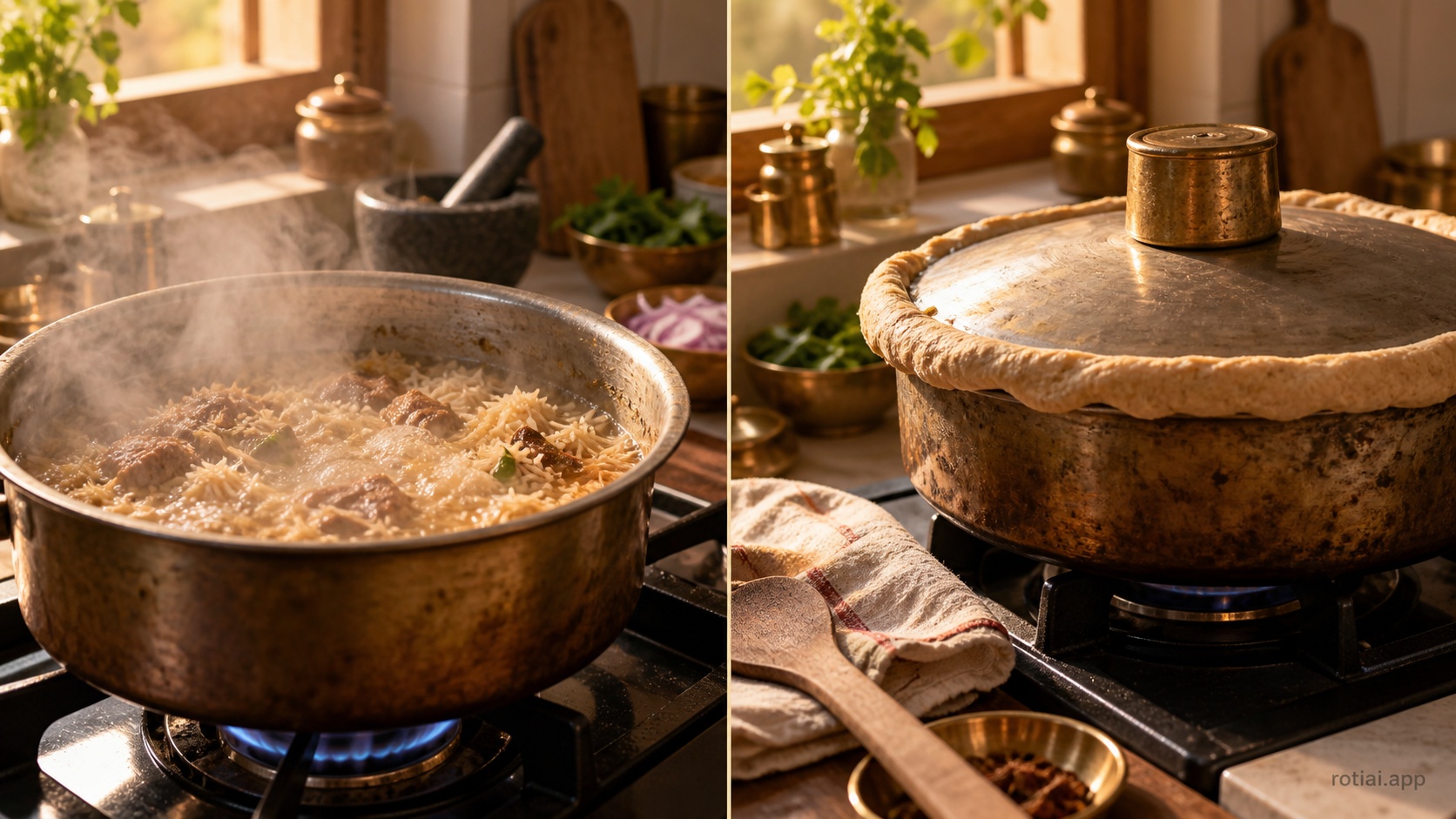
- Skipping the dum stage on the pulao. Even when the mutton and rice look cooked, the final covered steaming step is what evens out the moisture and flavour across every grain — don’t cut it short to save time on a busy Eid morning.
FAQ: Eid Special Recipes: Sheer Khurma & Mutton Pulao recipe
Can sheer khurma be made ahead of Eid day?
Yes — it keeps well in the fridge for up to 2 days. Reheat gently on the stove with a splash of milk to loosen it back to the right consistency.
What can I substitute if I don’t have mutton for the pulao?
Bone-in chicken works as a substitute, though the cook time for building the yakhni drops significantly — check for tenderness after about 20 minutes instead of the longer time mutton needs.
How do I stop the rice from turning mushy in mutton pulao?
Stick to the rice-to-yakhni ratio in the recipe, and resist stirring once the rice is in the pot — let the dum stage do the work of finishing the grains gently.
Make your Eid table effortless with RotiAI
From the first spoon of sheer khurma to the last plate of pulao, Eid is a feast — and it’s easy to lose track of the numbers on a celebration day. Calculate any dish’s exact kcal in RotiAI, and use Sehat Mode to ease back into a balanced desi routine once the festivities wind down. For more festive mains, see the vegetable pulao recipe or check the keema karahi calorie breakdown if mutton isn’t on the menu this year. Eid Mubarak!