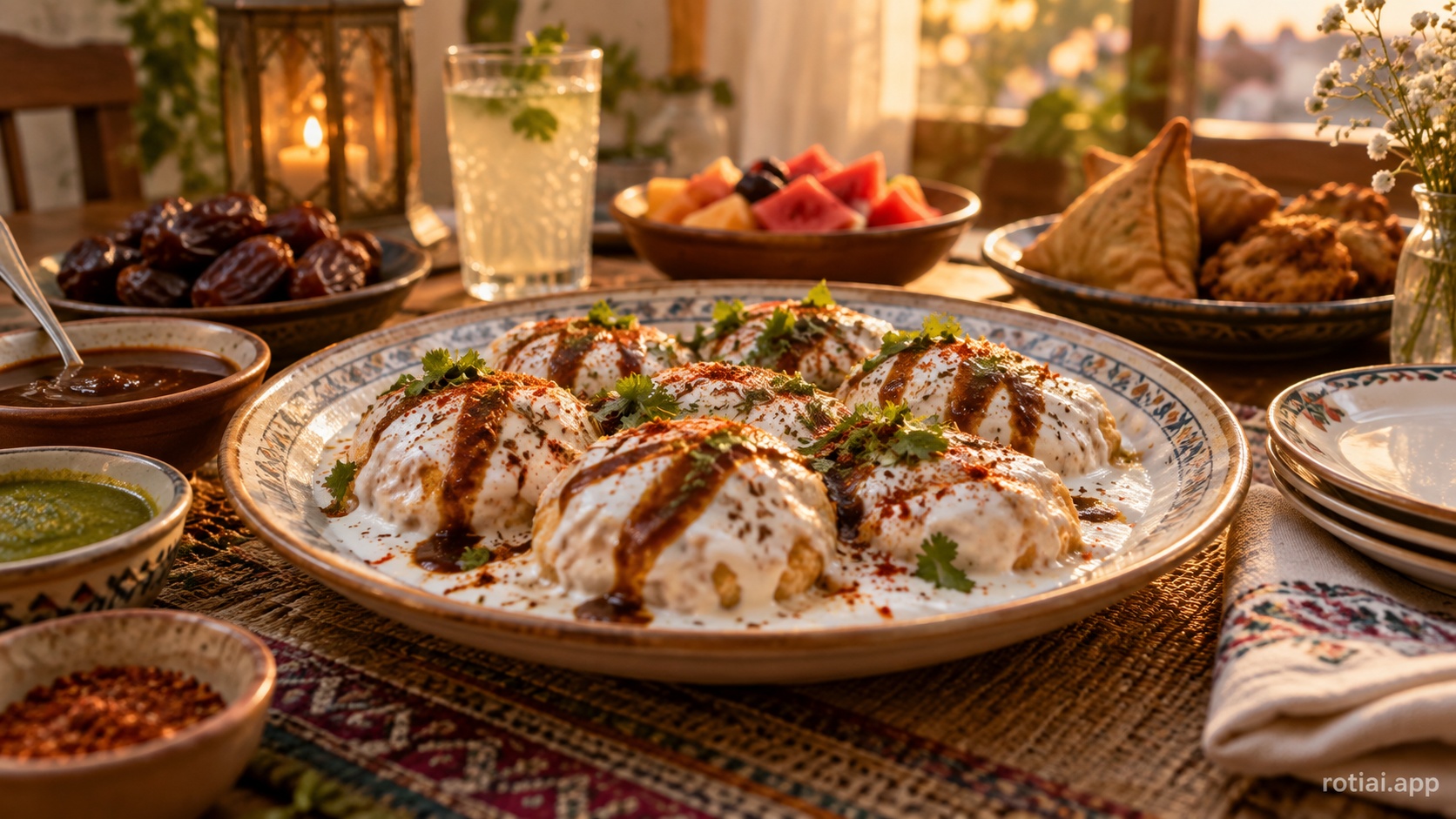
RotiAI

After a long day of fasting, iftar is the meal everyone looks forward to — and in most Pakistani homes the spread is wonderfully predictable: something crispy and fried, something fresh and fruity, and something cool and tangy to settle the stomach.
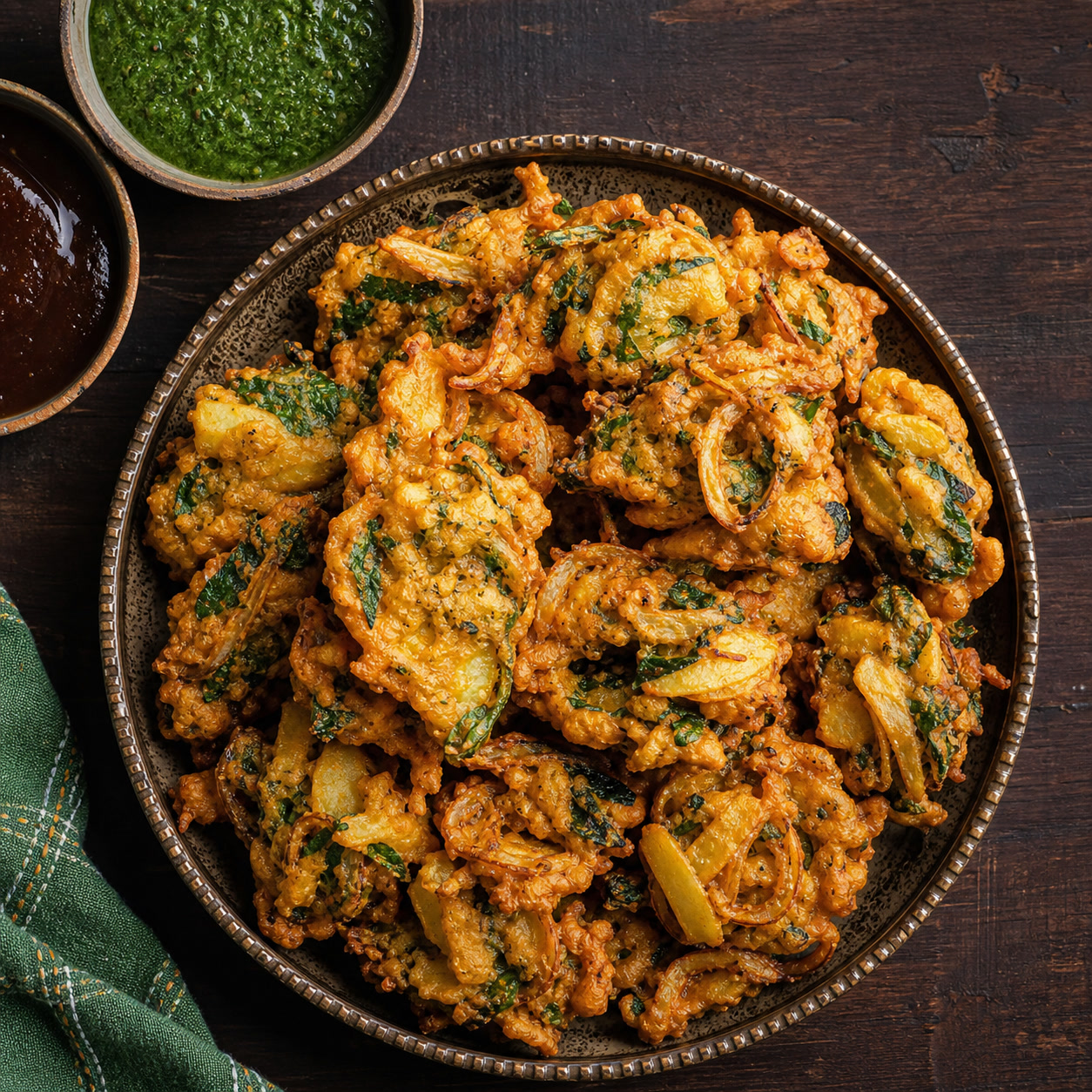
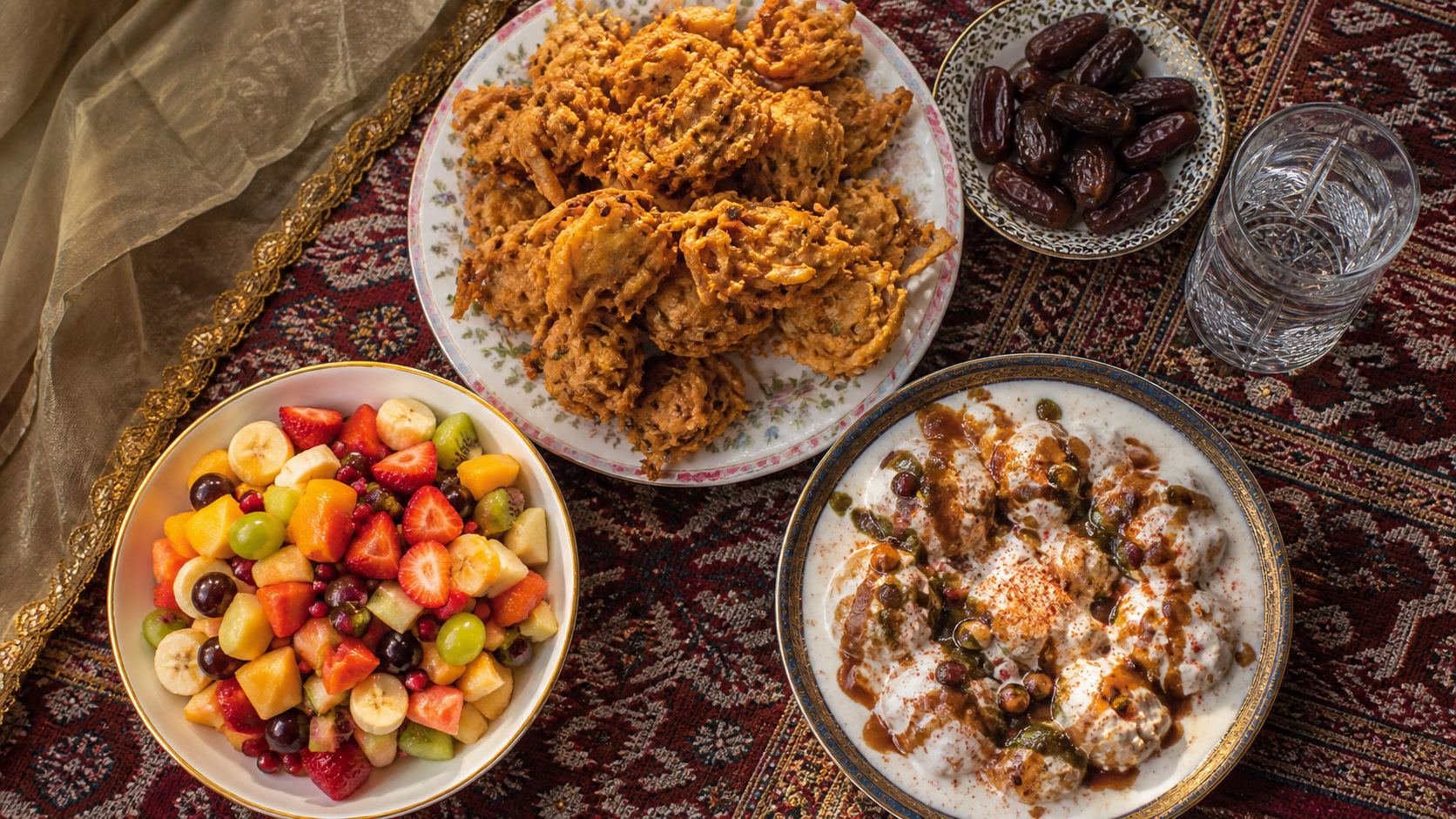
This Ramzan meal plan brings together three iftar classics — Pakoray (پکوڑے), Fruit Chaat (فروٹ چاٹ), and Dahi Baray (دہی بڑے) — with real ingredients, honest cook times, and per-plate calories so you can plan your table without guesswork. All three are easy enough to make after Asr and have ready before the azaan.
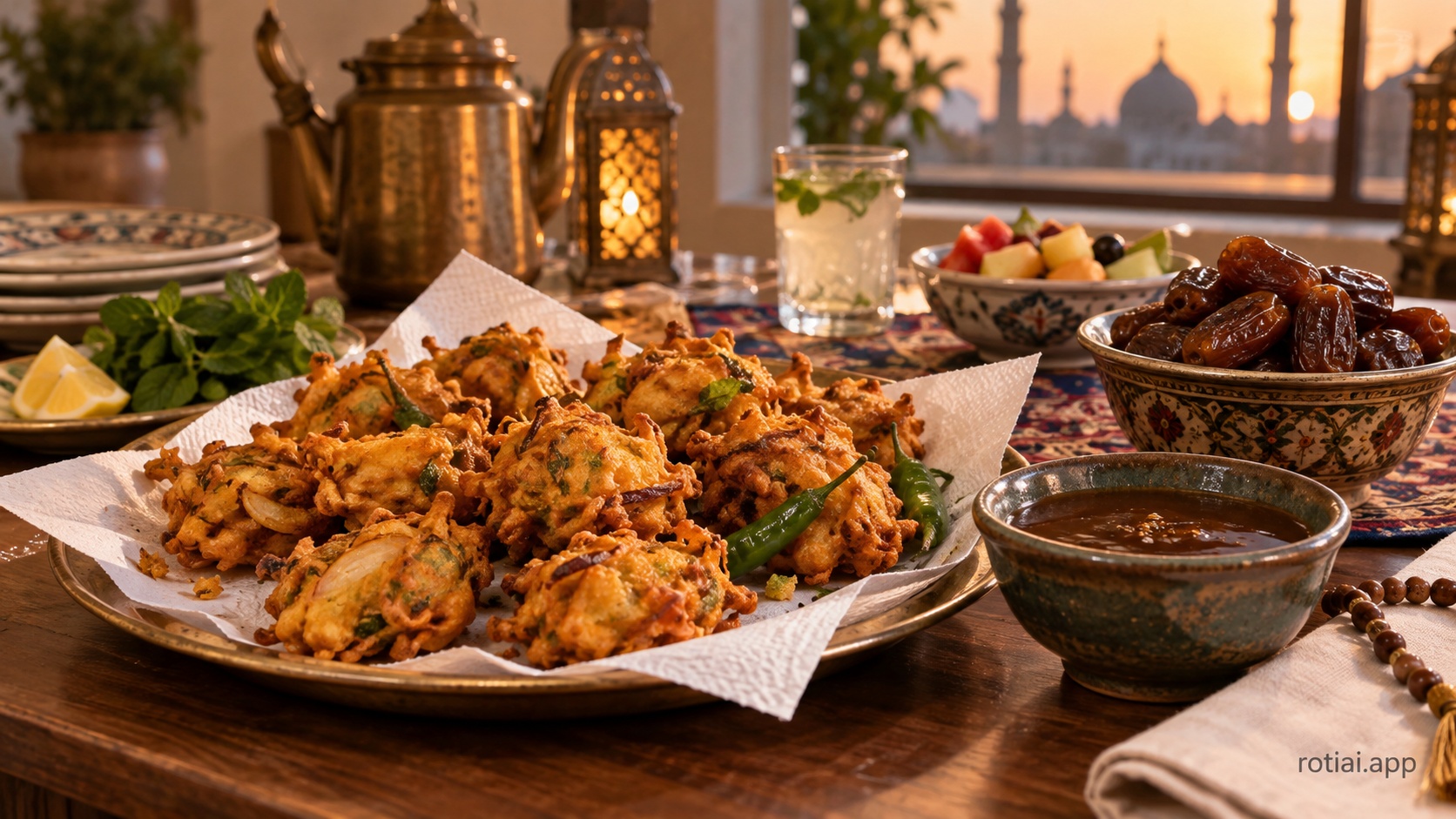
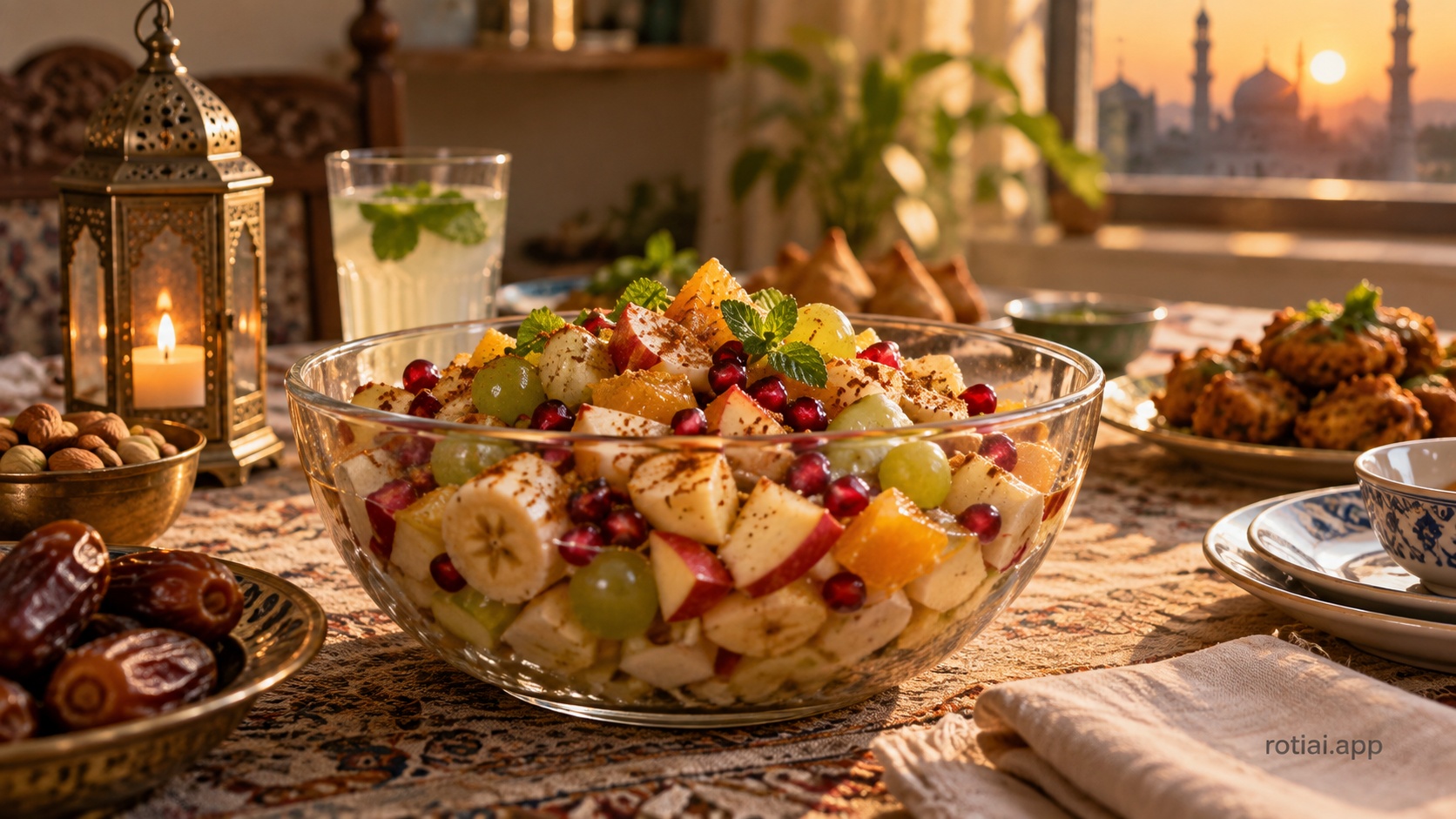
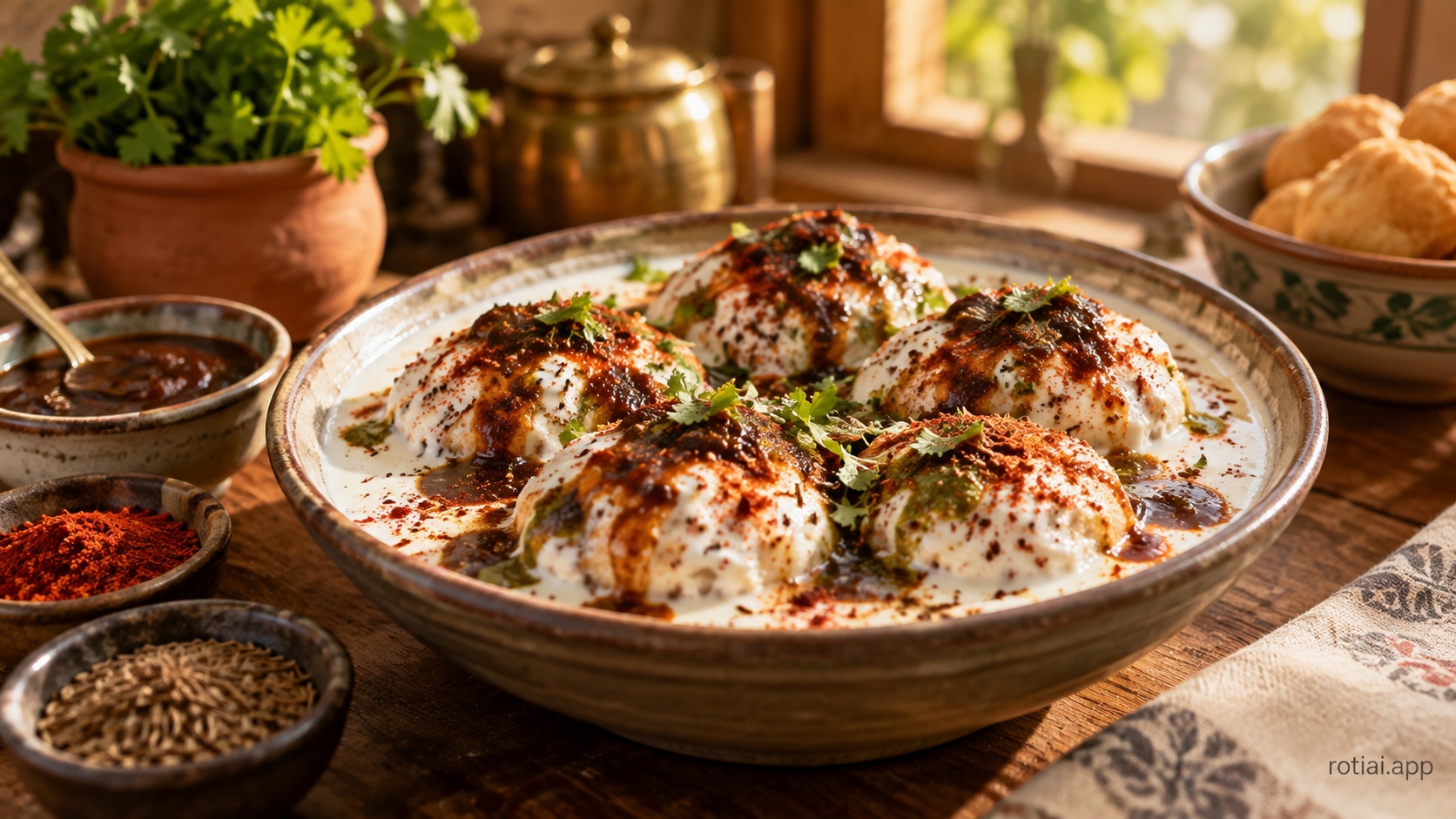
Serve them together and you’ve covered the whole iftar plate: the pakoray bring the crunch, the fruit chaat keeps things light and hydrating, and the dahi baray cool you down after that first date and glass of water.
Why the iftar plate looks the way it does
There’s a reason this same trio shows up on almost every Pakistani table during Ramzan, and it isn’t just tradition — it’s physiology. After roughly fourteen to sixteen hours without food or water, the body needs a gentle re-entry rather than a heavy meal all at once. Dates and water break the fast first, giving a quick hit of natural sugar and rehydration.
Fruit chaat follows that same logic on a bigger scale: its natural sugars and water content rehydrate without overwhelming a stomach that’s been empty all day. The fried items — pakoray in this case — come next because a little fat and protein slow digestion and keep hunger at bay through the evening prayers. And the yogurt-based dahi baray round things off by cooling the palate and settling any acidity from the fried food, which is exactly why it tends to be eaten last, closer to the main dinner.
Timing your iftar prep around the azaan
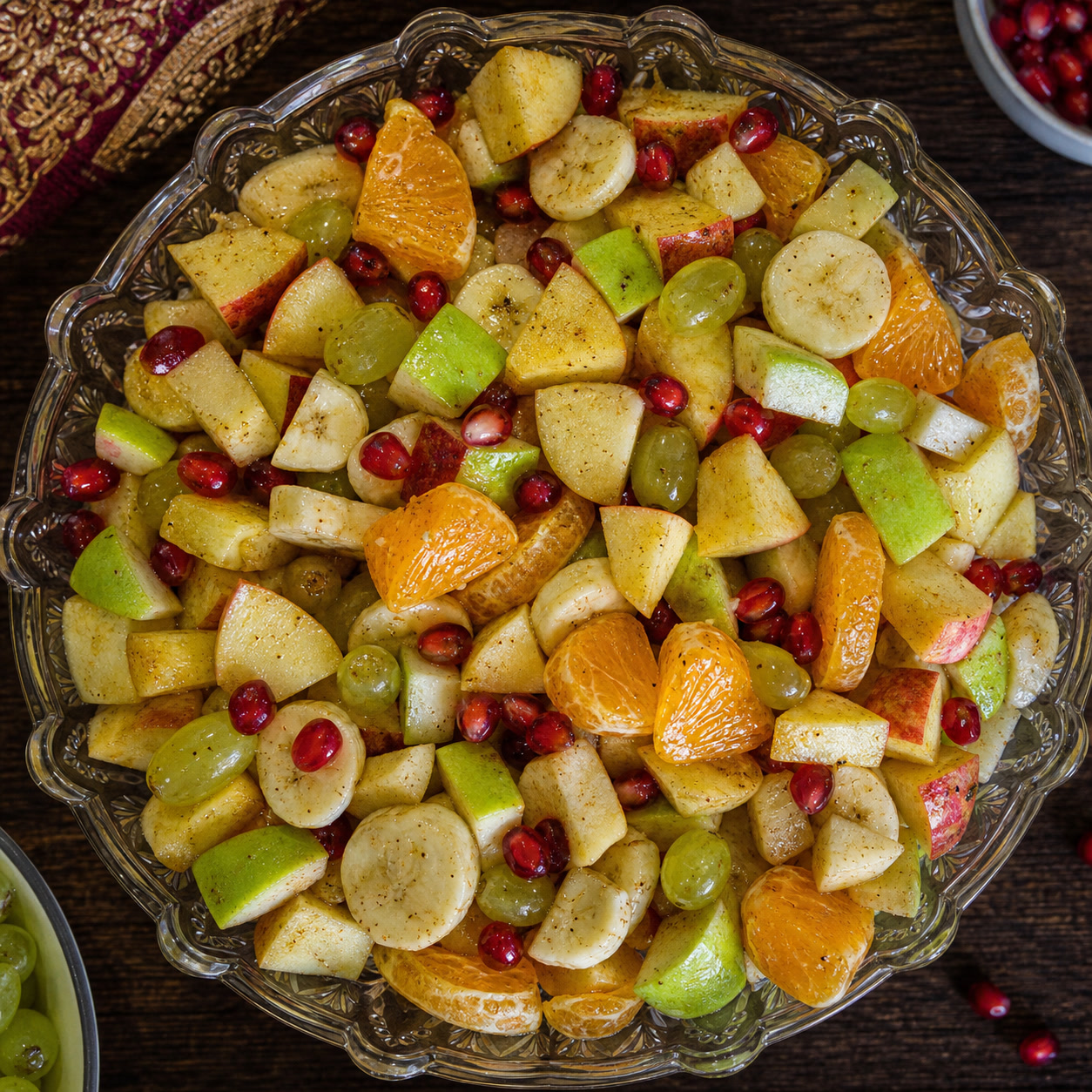
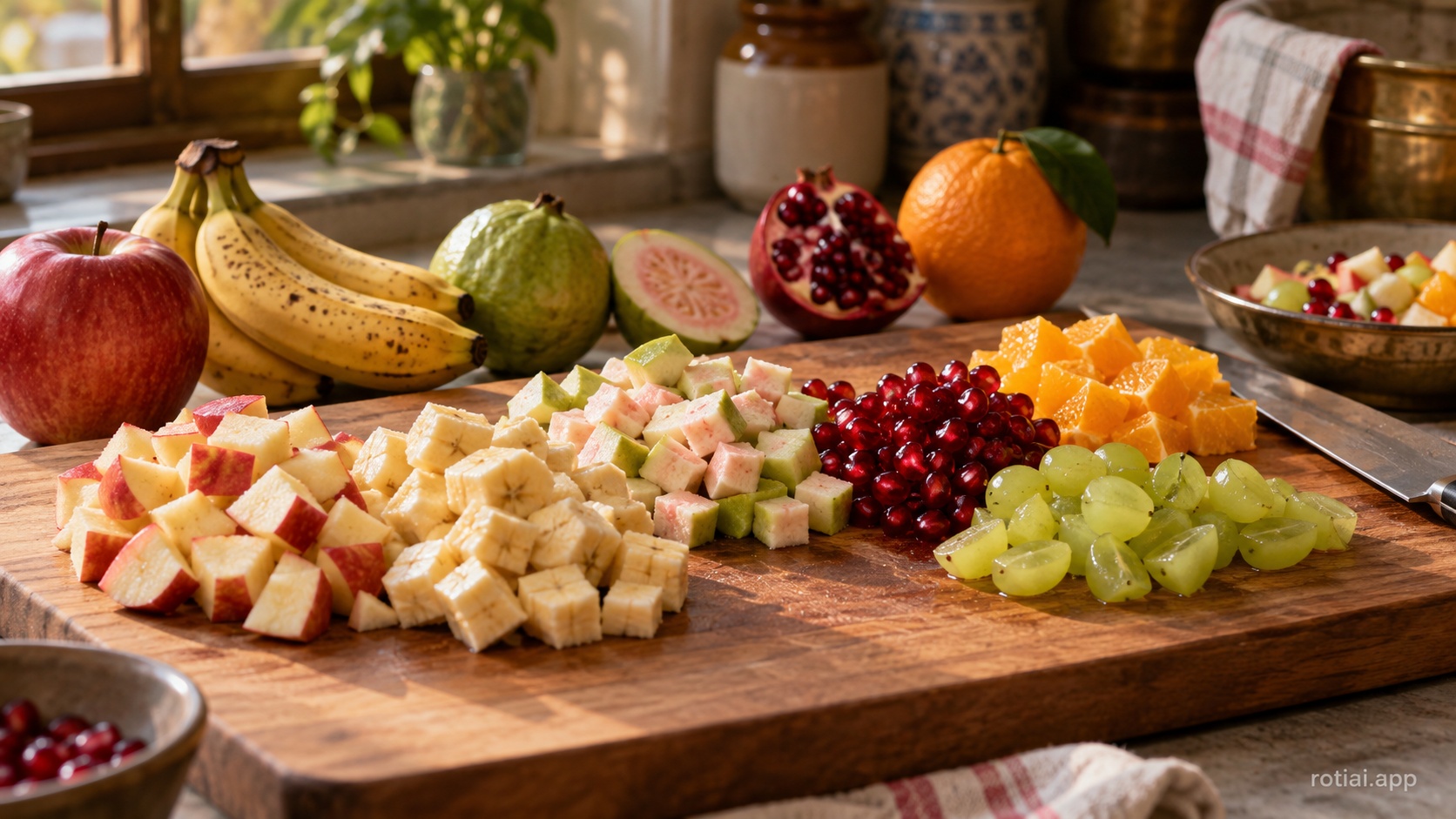
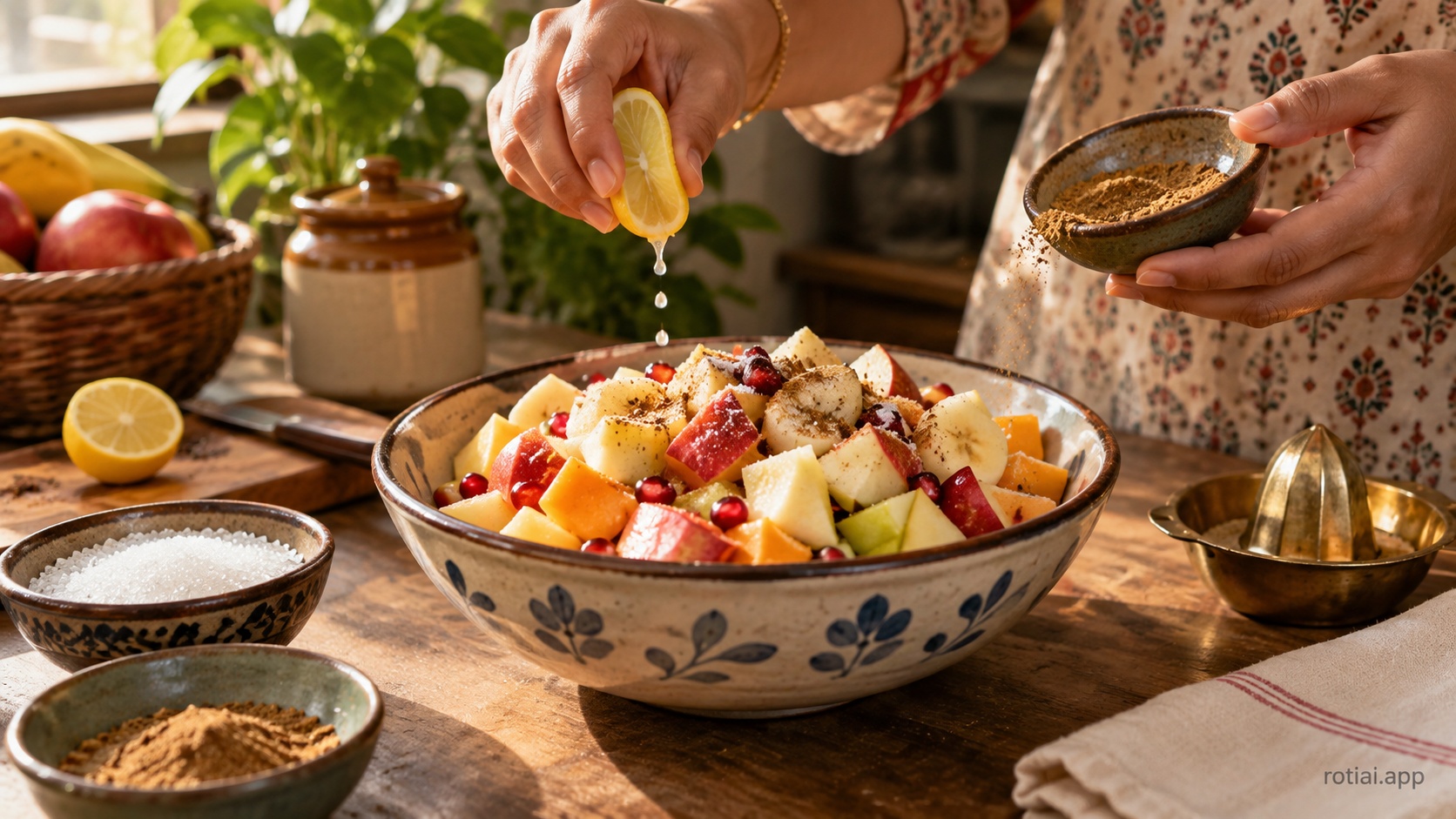
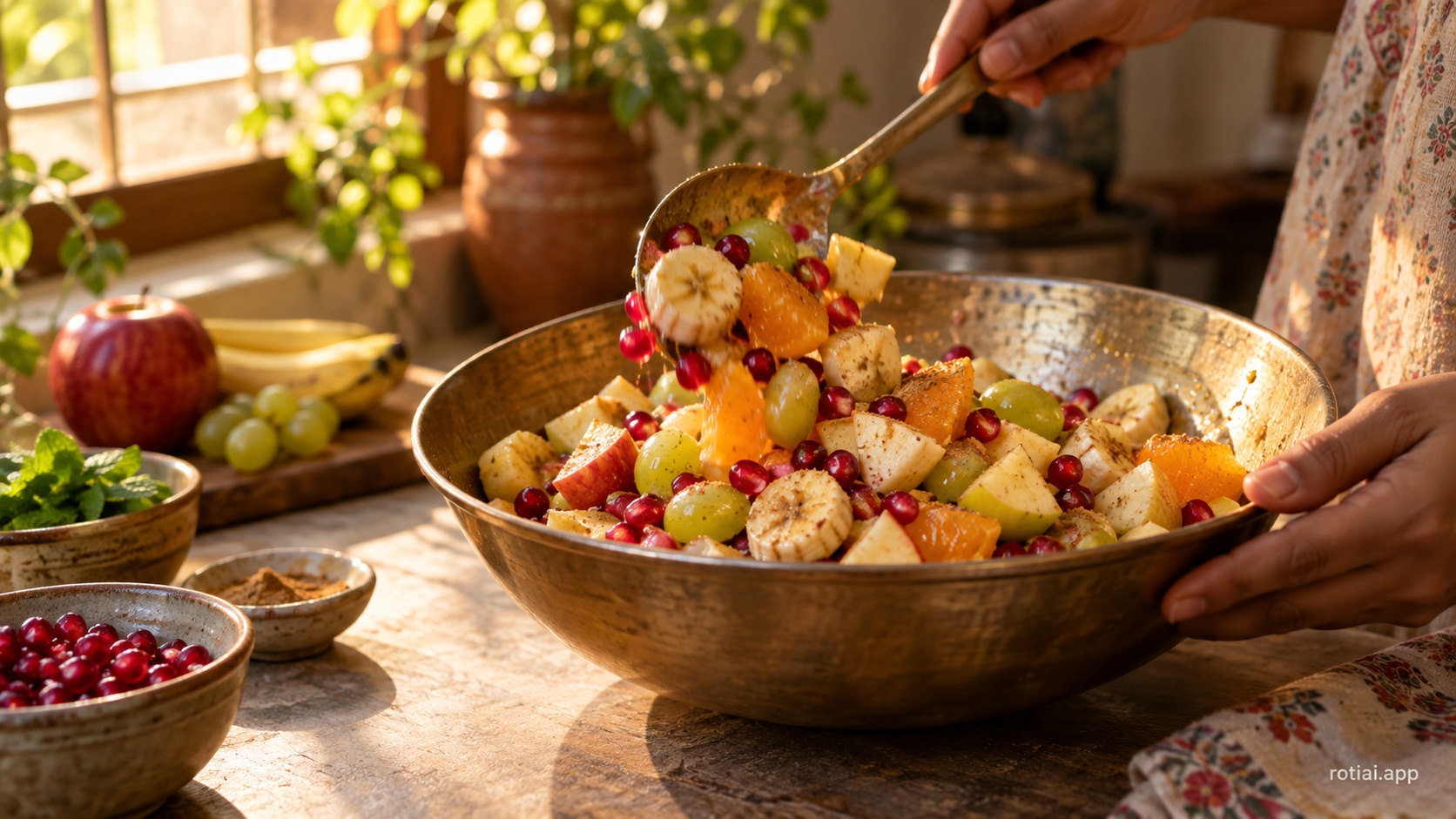
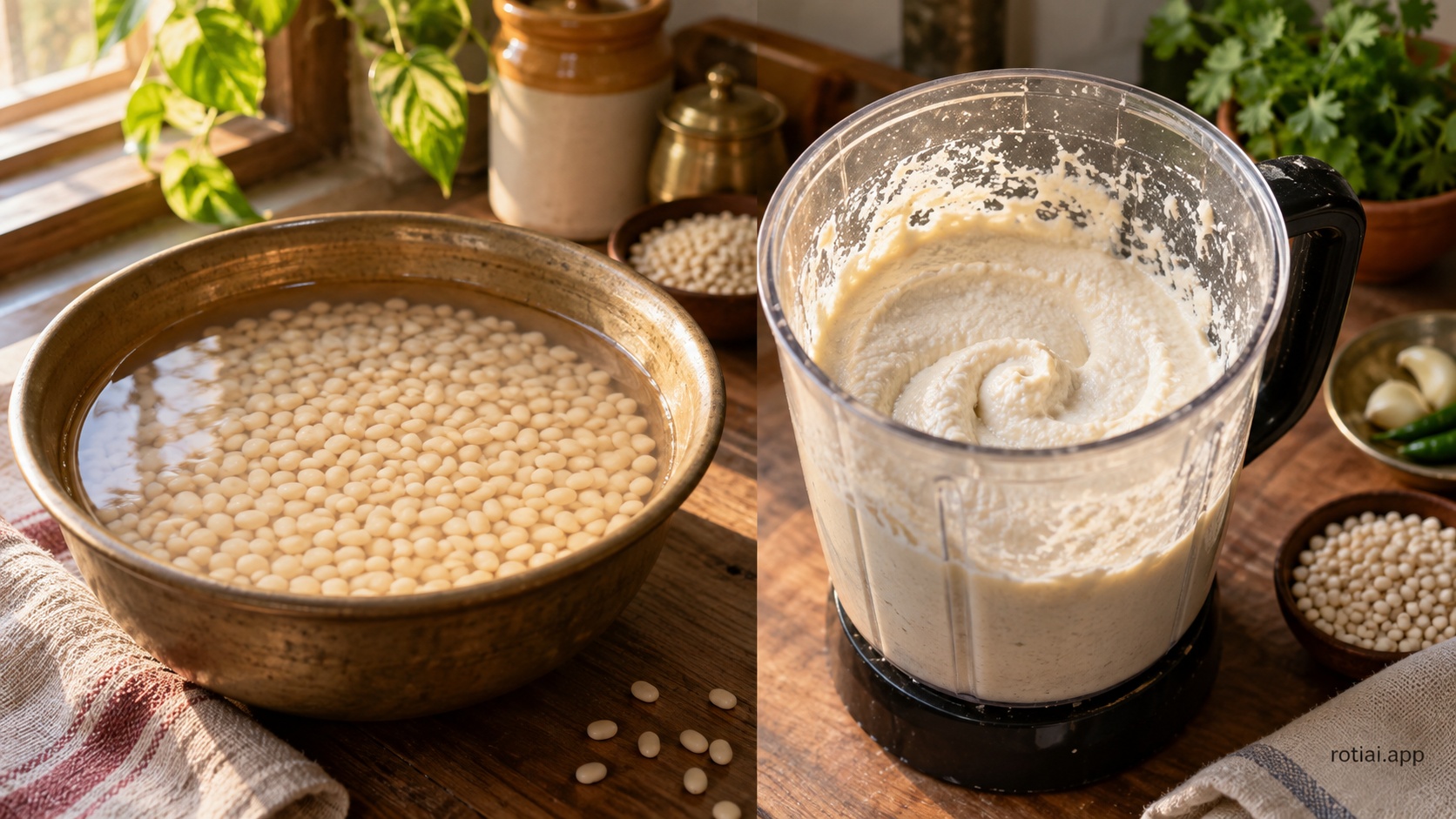
The biggest stress of iftar cooking isn’t the recipes themselves, it’s the clock. A workable order for these three dishes: start the dahi baray daal soaking in the afternoon, well before you even think about the stove, since it needs 4–5 hours. Prep and chop the fruit chaat right after Asr — cut fruit keeps well chilled for an hour or two, and the sugar and chaat masala can go in just before serving so nothing turns watery.
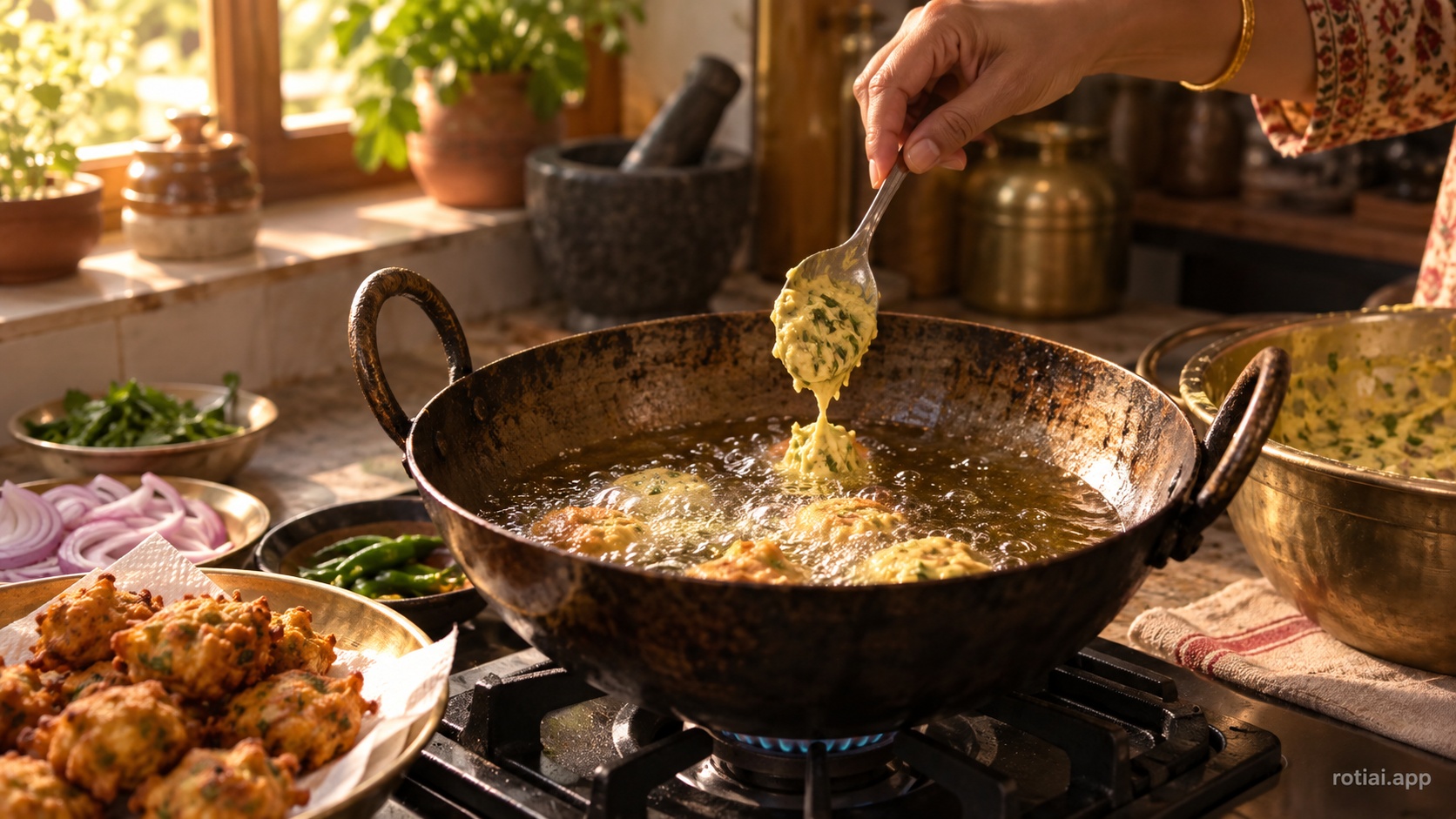
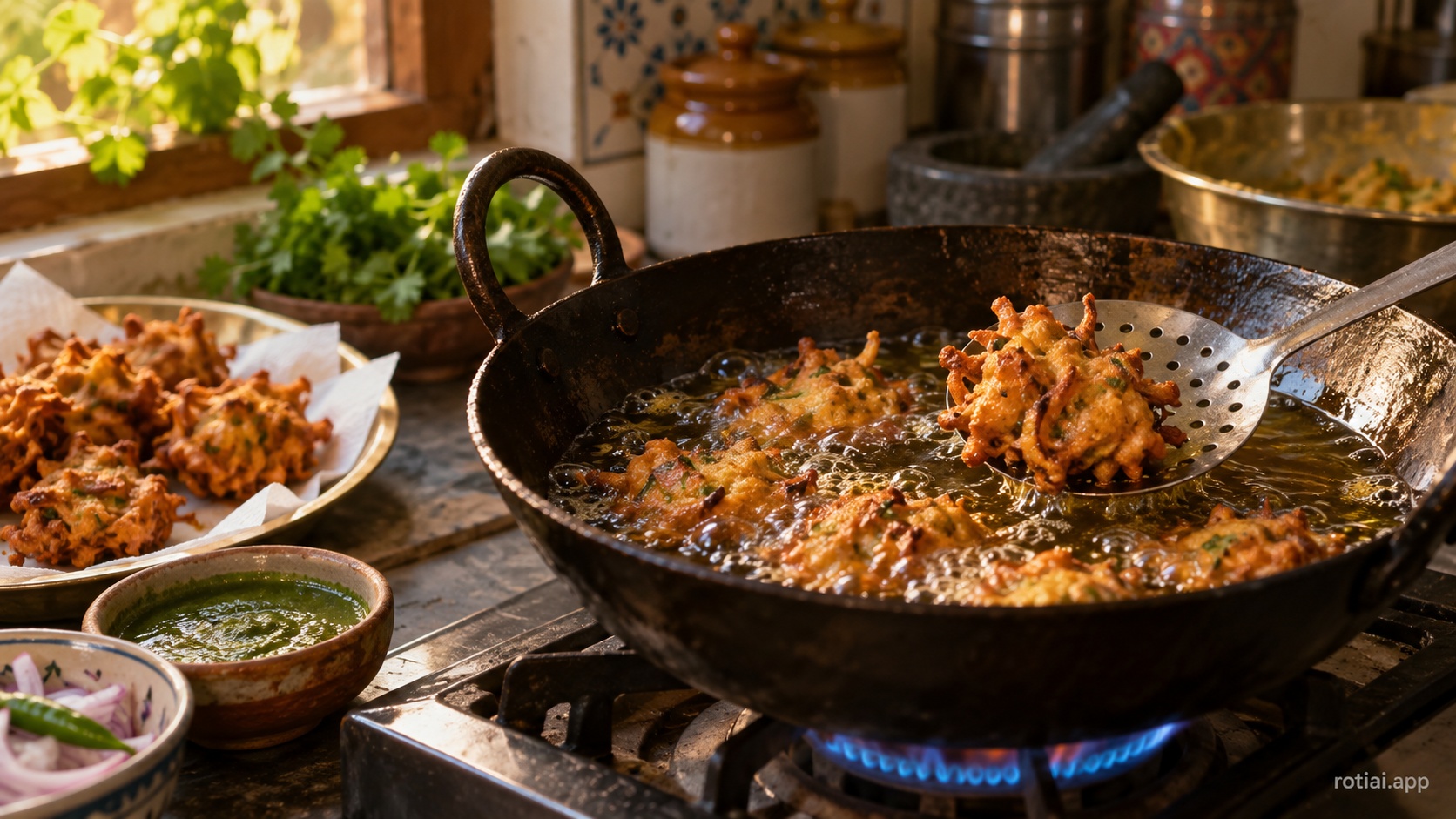
Fry the pakoray last, 15–20 minutes before iftar, so they reach the table hot and crisp rather than sitting around and going soft. This staggered approach means you’re never doing three things at the exact same time in the last stressful minutes before the azaan.
Ingredient notes and swaps
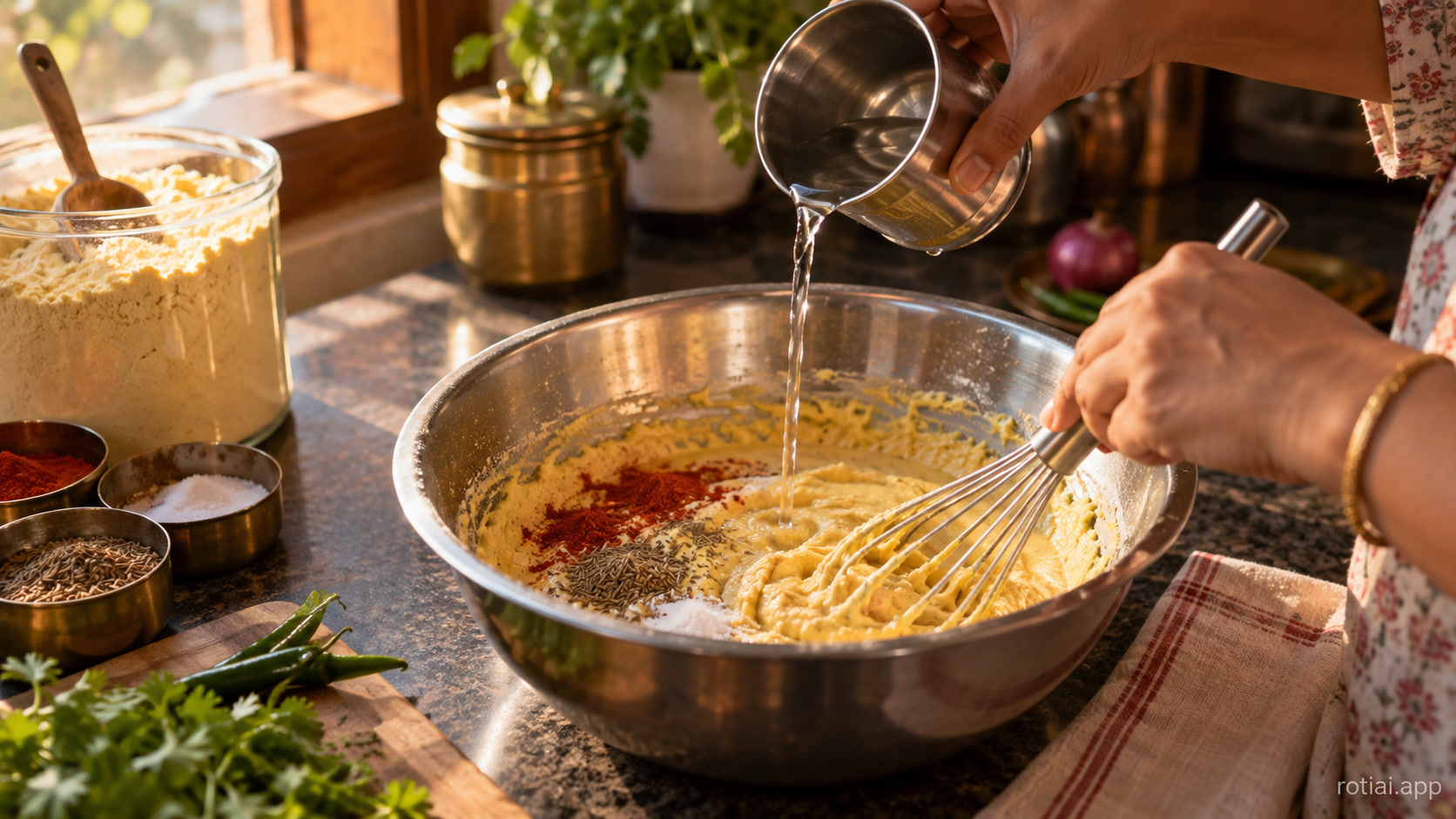
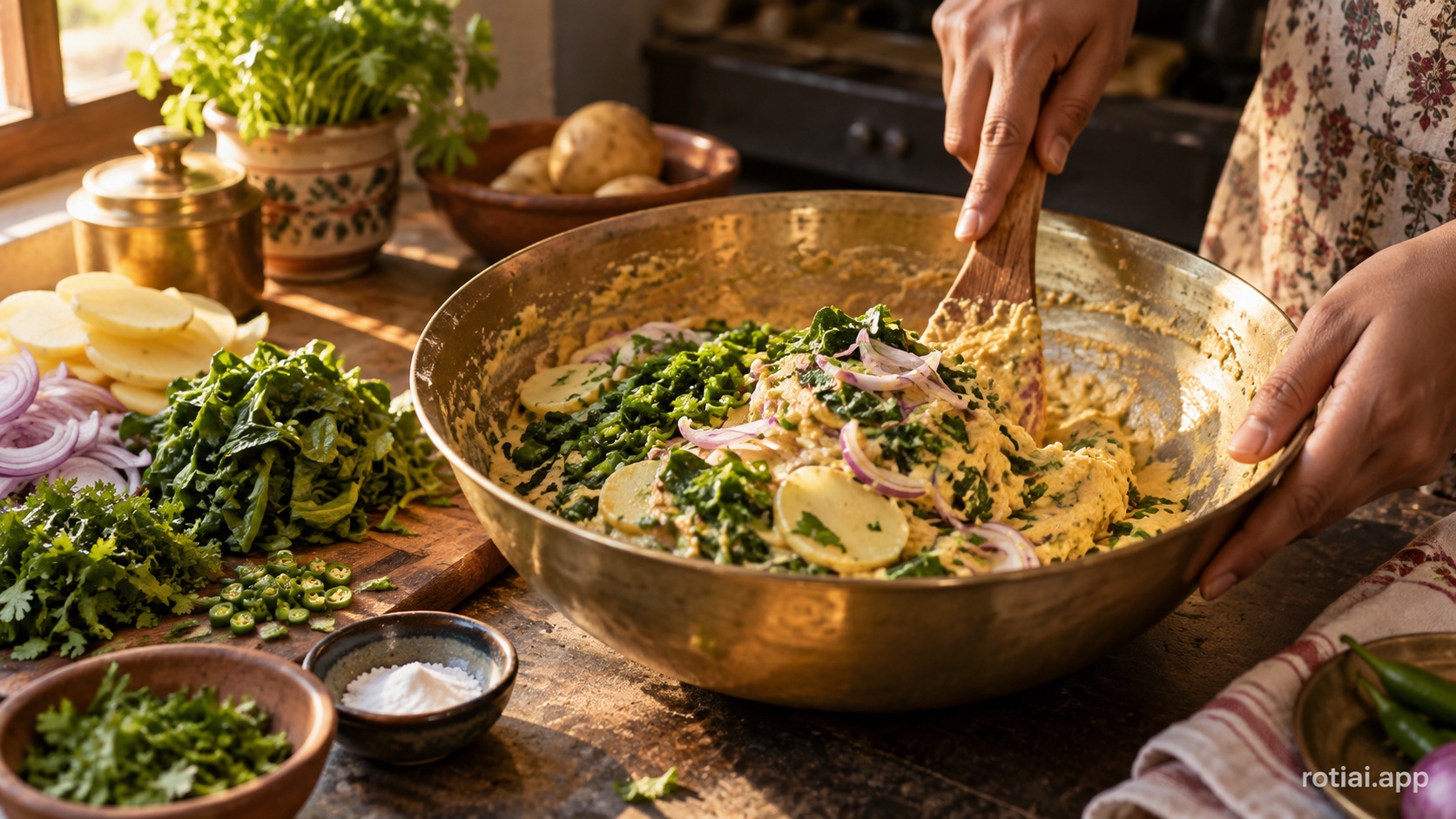
For the pakoray, potato and onion are the classic base, but Ramzan kitchens often mix in whatever vegetables need using up — cauliflower florets, sliced capsicum, or grated bottle gourd all take the batter well. If your besan batter feels too thick after resting, loosen it with a tablespoon of water at a time rather than all at once, since gram flour keeps absorbing moisture.
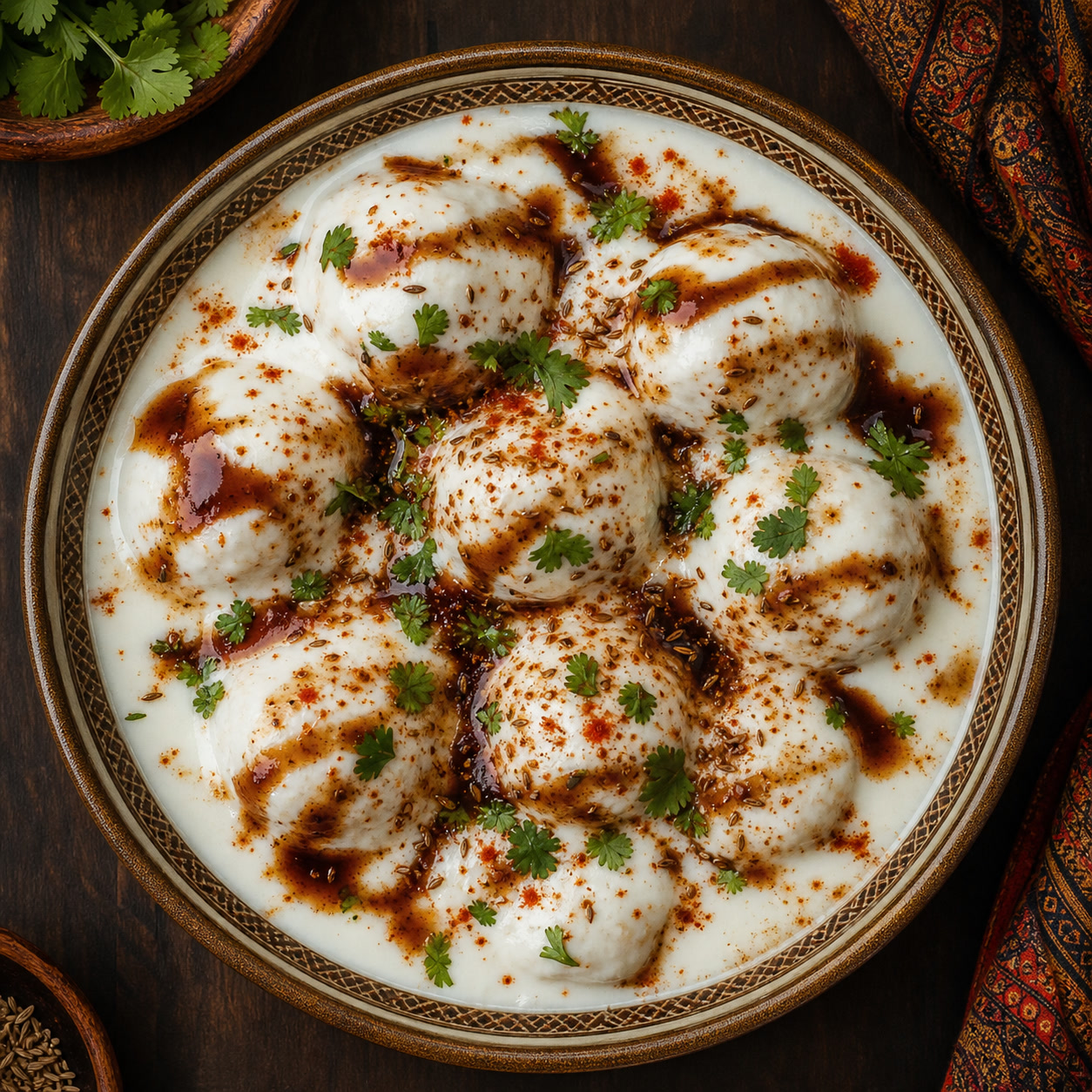
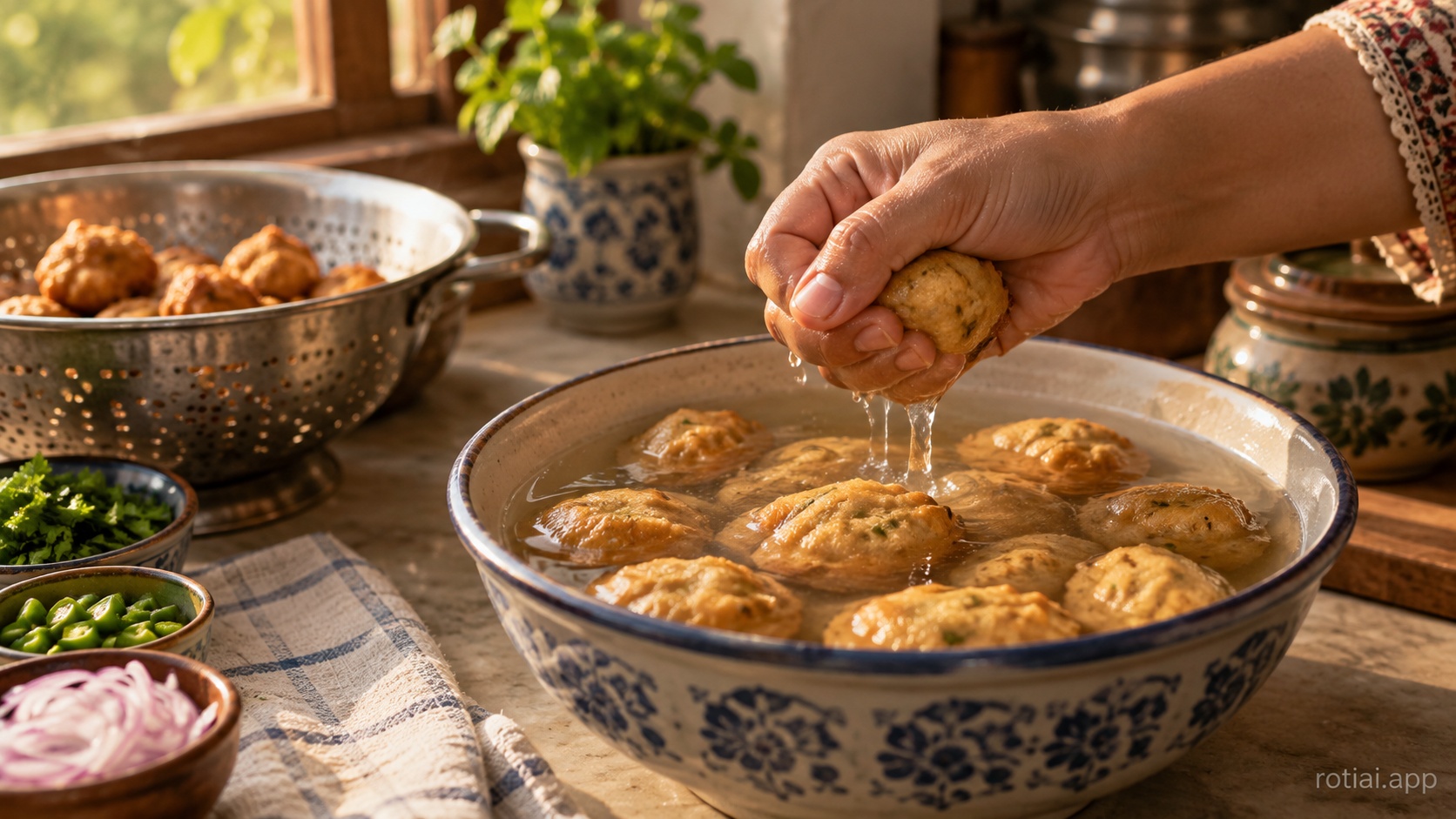
For the fruit chaat, the fruit list is a guide, not a rule — pomegranate and orange bring the tang that makes chaat masala sing, so try to keep at least one of them in the mix even if you swap the rest. For dahi baray, don’t skip soaking the fried baray in salted water before dunking them in yogurt; that step is what makes them soft and spongy instead of dense and oily.
Common mistakes at the iftar table
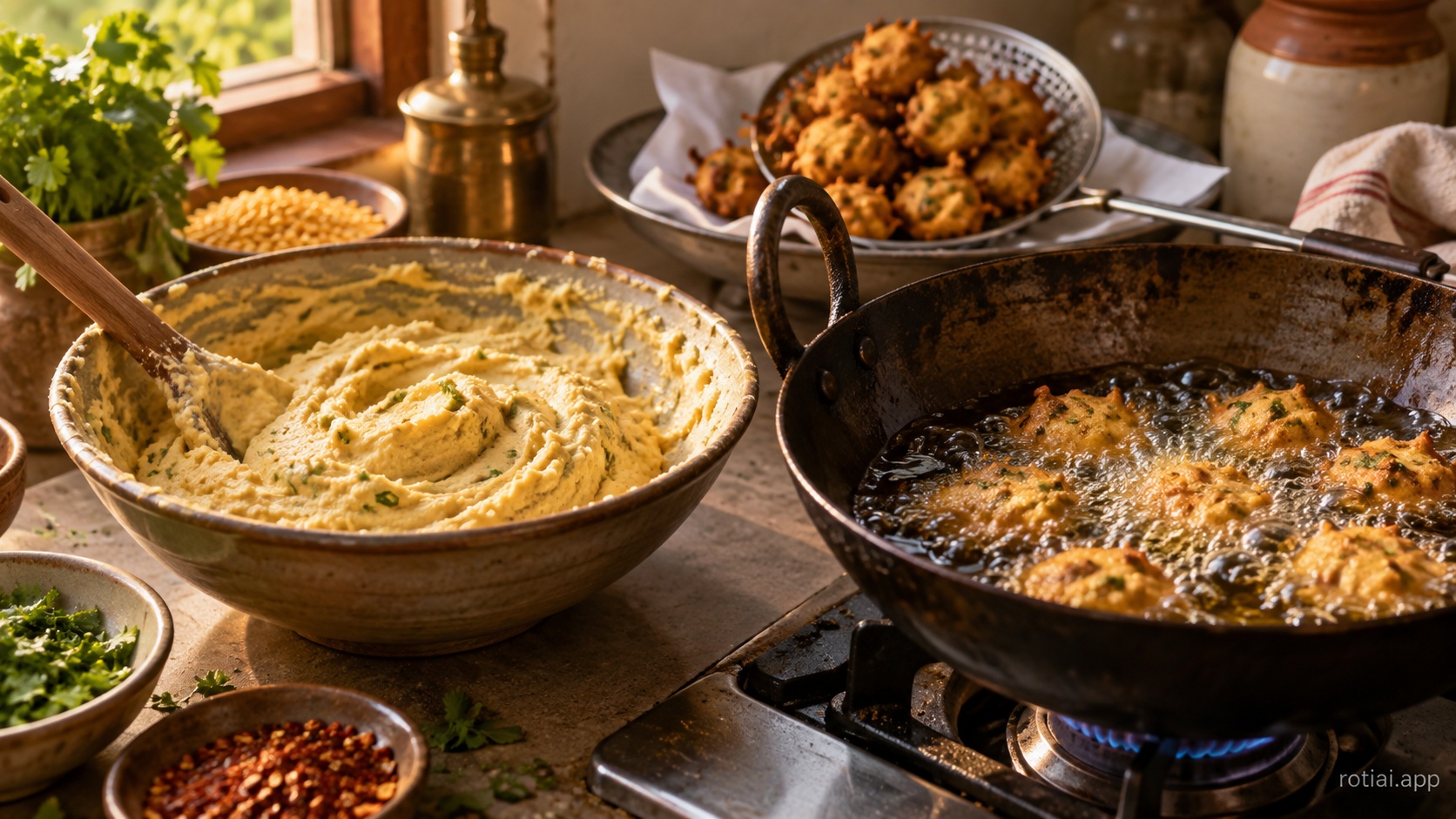
- Frying pakoray in oil that isn’t hot enough. Batter dropped into lukewarm oil soaks up grease instead of crisping, leaving a heavy, oily fritter. Test with a small drop of batter first — it should sizzle and rise immediately.
- Oversweetening the fruit chaat. Ripe fruit in season often needs very little added sugar. Taste before adding the full amount, especially if you’re using naturally sweet mango or grapes.
- Serving dahi baray too soon after frying. The baray need real time in the salted water and then in the yogurt to soften properly — a rushed 10 minutes won’t fully replace the texture that comes from a longer soak, so plan for it if you can spare the time.
FAQ: Easy Iftar Recipes for Ramadan (Ramzan Meal Plan) recipe
Can I prepare any of these dishes ahead of Ramzan and freeze them?
Pakoray batter doesn’t freeze well, but you can fry a batch of plain pakoray, freeze them, and reheat in the oven for a quicker iftar on busy days. Dahi baray freeze well before the yogurt stage — freeze the fried, soaked baray and add the sweetened yogurt fresh each time.
How do I keep fried pakoray from going soggy while the rest of iftar is being prepared?
Rest them on a wire rack instead of stacking them on paper towels or a plate — trapped steam is what turns crisp pakoray soft.
Is dahi baray safe to eat if it’s been sitting out during the fast-breaking prayers?
Because it contains dairy, dahi baray shouldn’t sit at room temperature for more than an hour or two, especially in warmer months. Keep it chilled until just before serving.
Plan your Ramzan table in RotiAI
Put all three together and your iftar plate lands around 790 calories — crispy, fresh and cooling in one go. Want the exact numbers for your portions? Calculate any dish’s exact kcal in RotiAI, and use Sehat Mode to build a Ramzan meal plan that keeps your iftar and sehri balanced across the whole month.
Looking for more comfort food to round out your sehri or dinner table? Try the chicken yakhni soup recipe or check the calorie breakdown for daal chawal for a lighter sehri option.