RotiAI

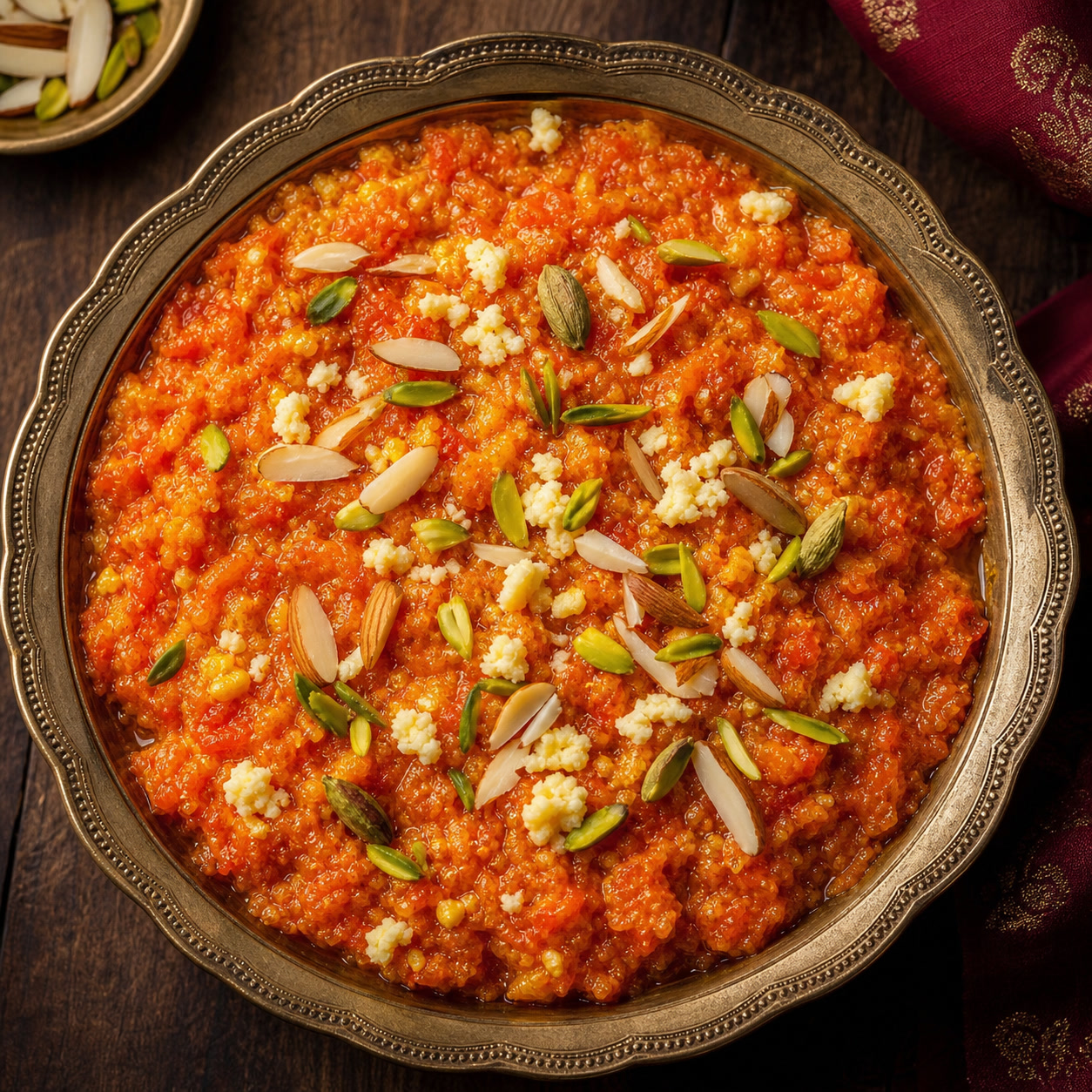
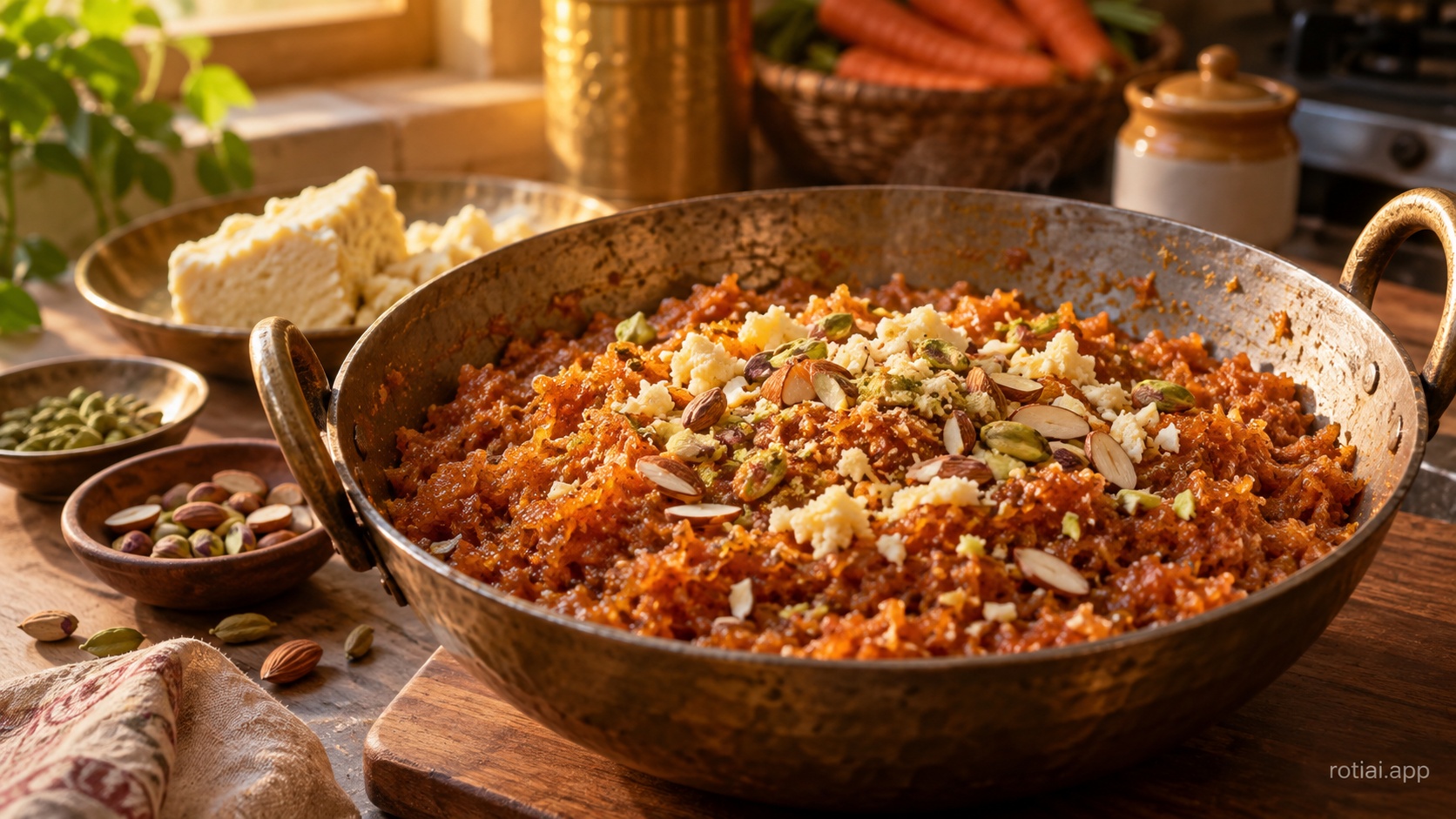
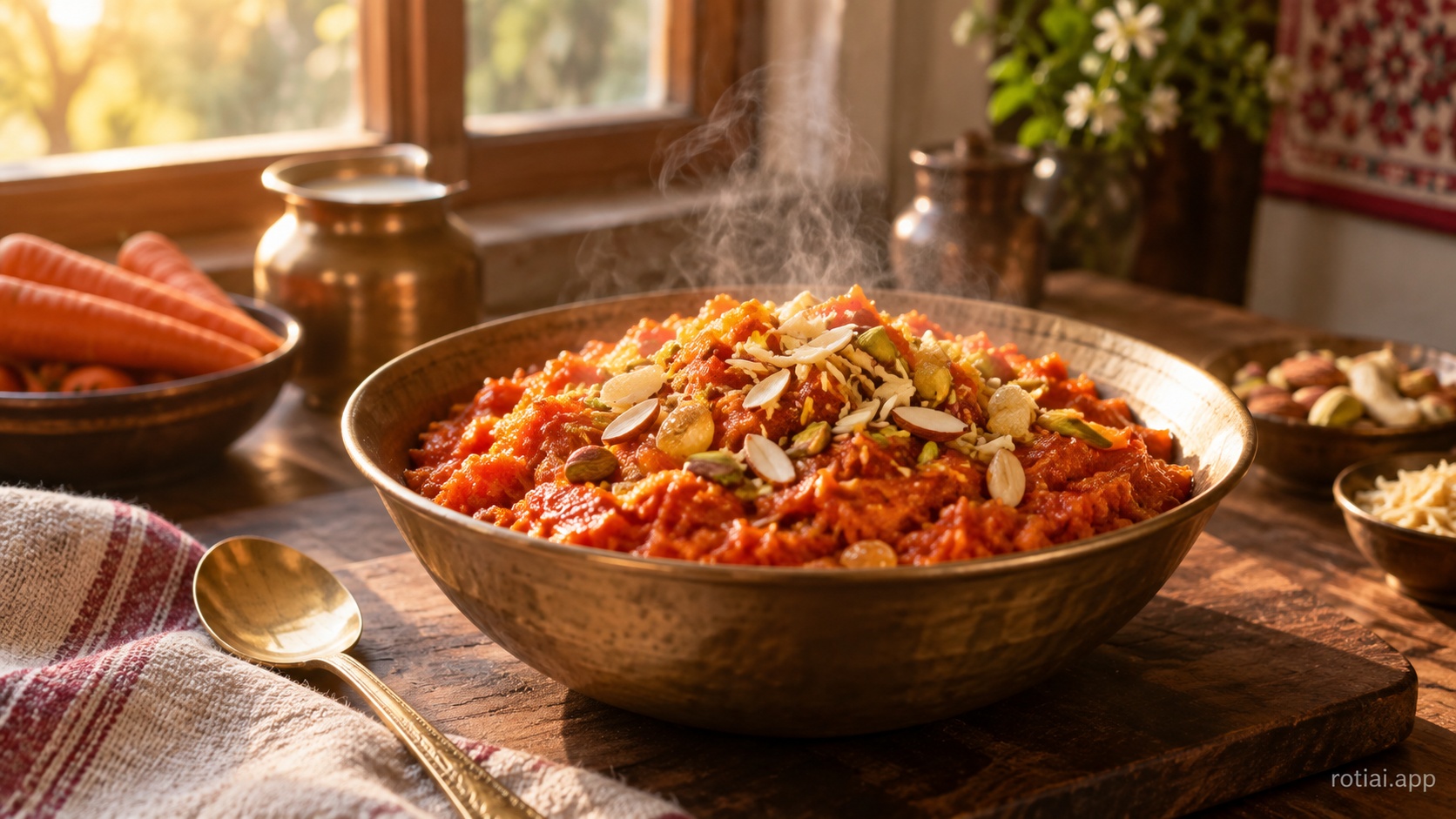
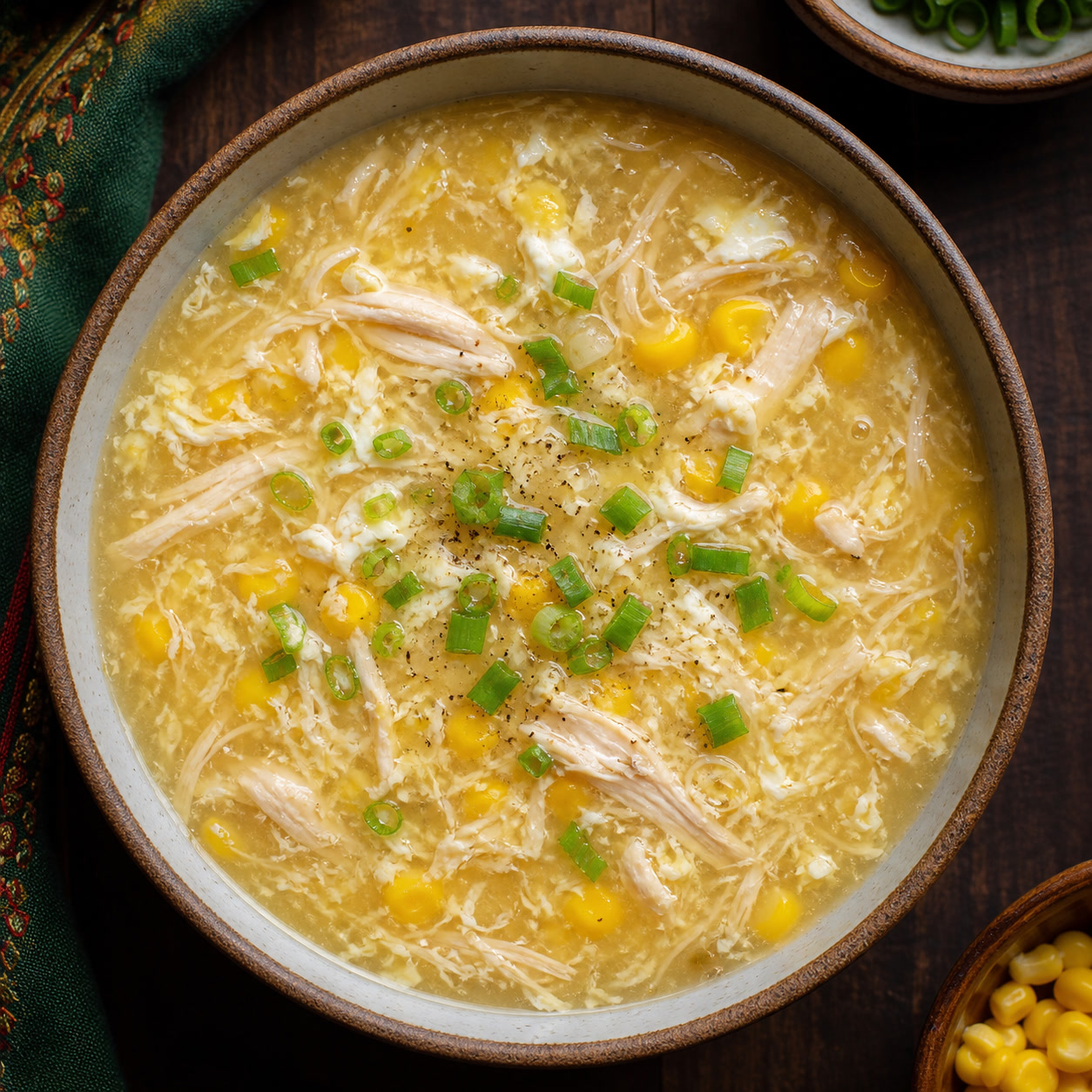
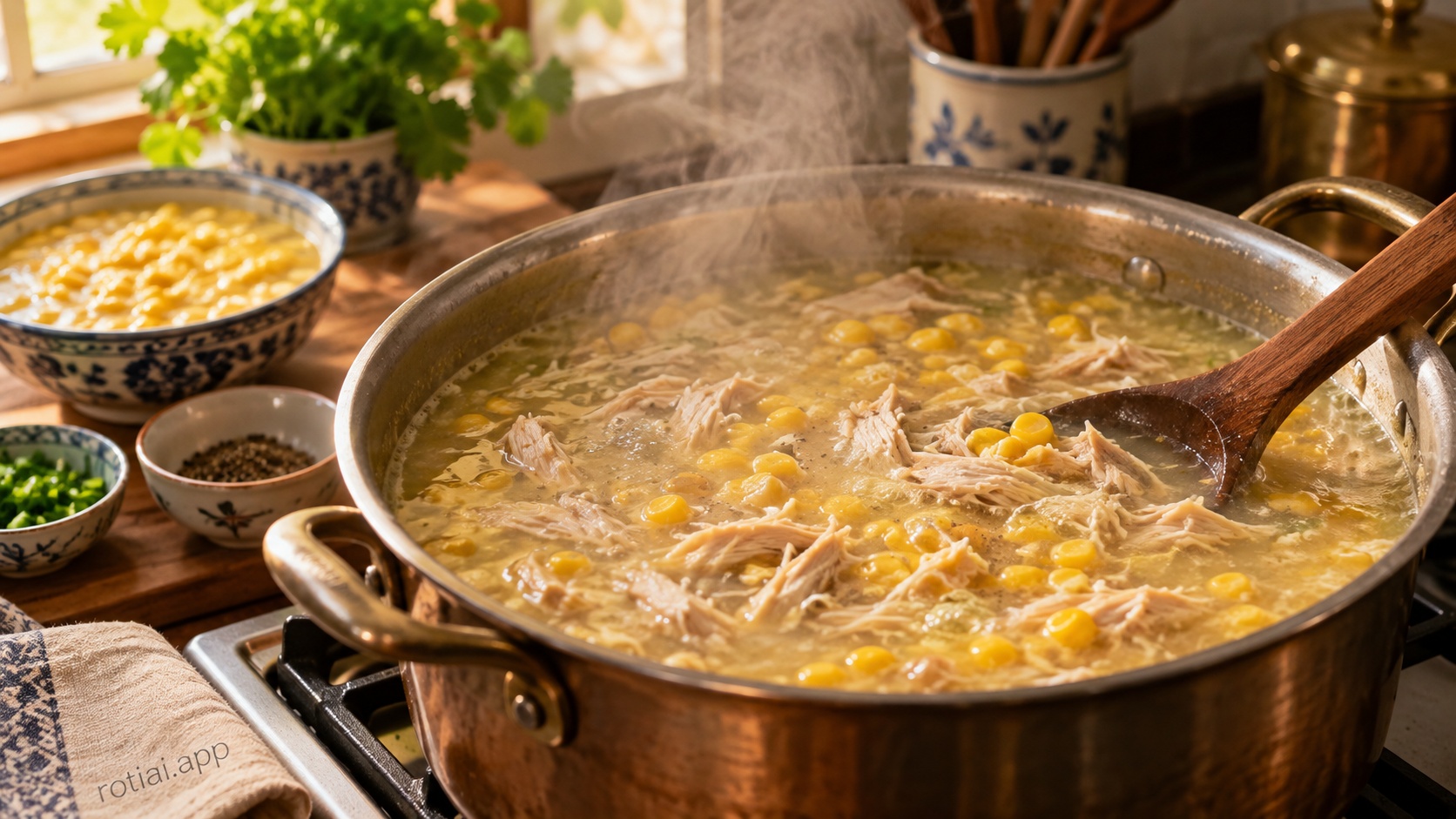
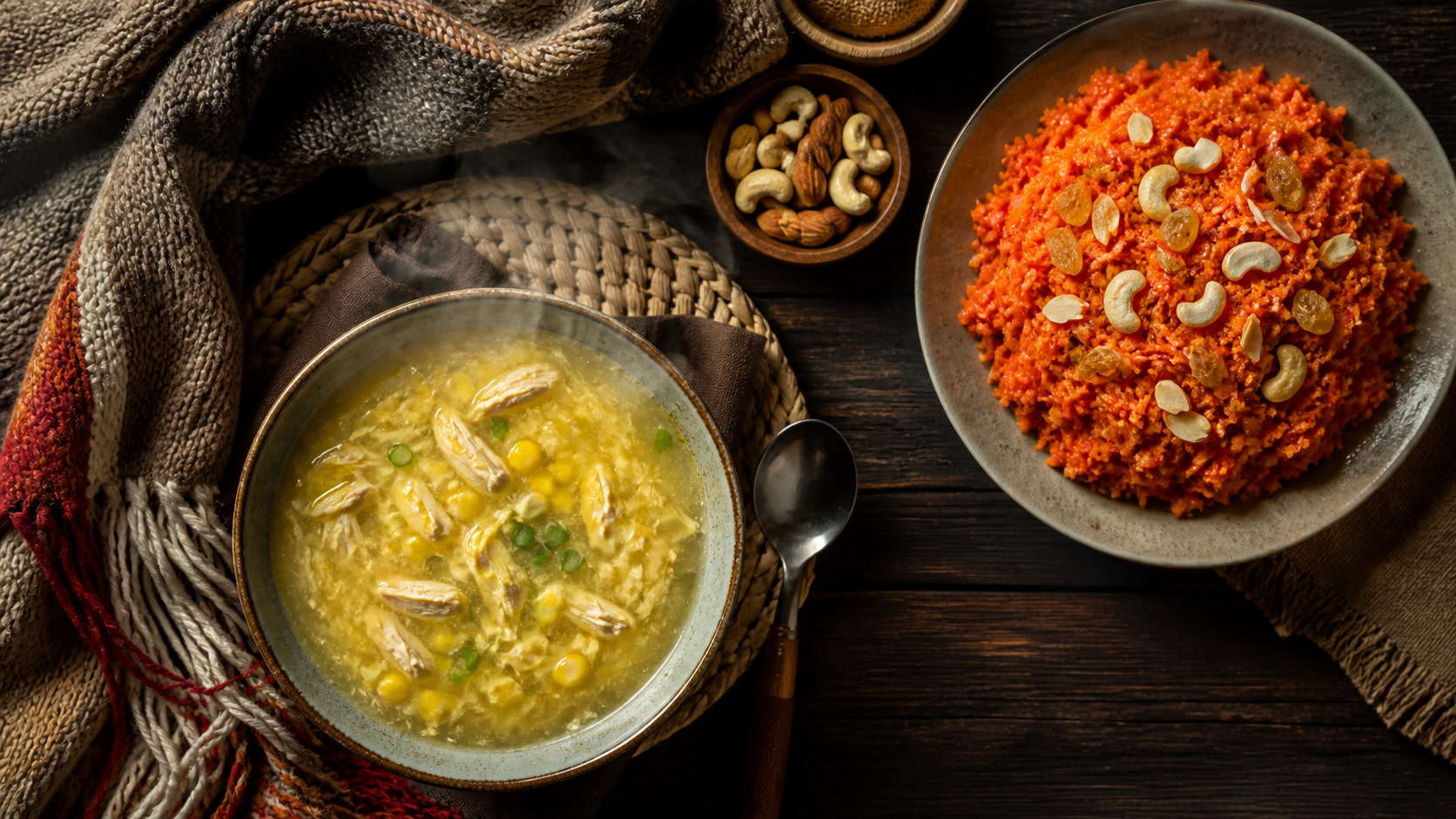
When the sardi sets in, desi kitchens turn to the food that warms you from the inside. Nothing says winter quite like a hot bowl of soup at the start of a meal and a plate of steaming halwa to finish it. These two winter comfort food recipes are the ones that come out every cold season: silky Chicken Corn Soup (چکن کارن سوپ) and rich, ghee-laden Gajar ka Halwa (گاجر کا حلوہ). Both use real ingredients and honest cook times, so you can build a cosy sardi menu that actually delivers.
Start the meal with the soup to take the chill off, and keep the halwa warm on the stove for when everyone wants seconds.
Why these two dishes define sardi season
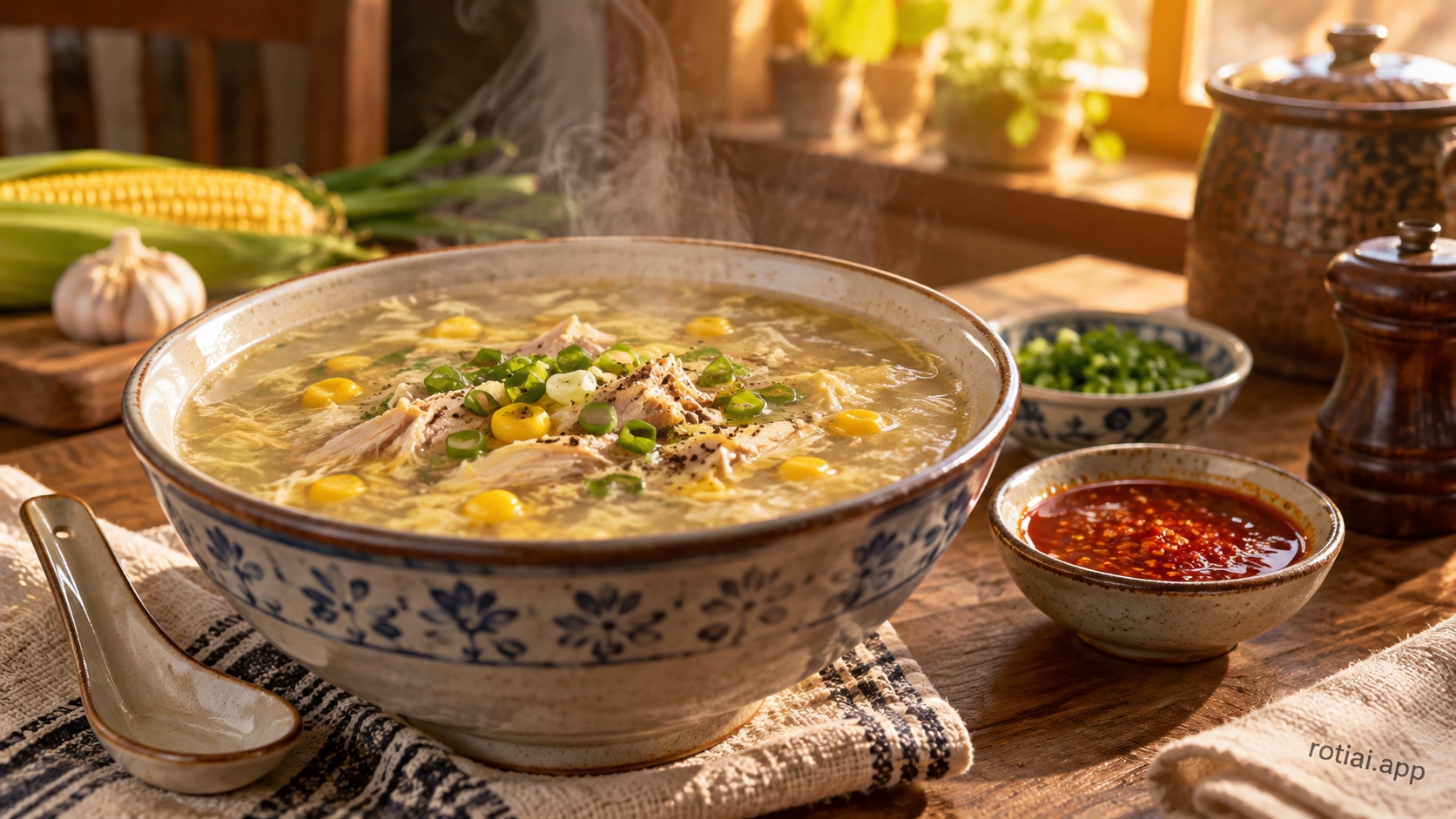
Both dishes solve a different winter problem. Chicken corn soup is the quick fix for the chill that hits the moment the sun goes down — thick, hot, and ready in half an hour, it’s built to be the first thing on the table rather than something you wait for.
Gajar ka halwa is the opposite: a slow, deliberate project that takes advantage of winter carrots, which are naturally sweeter and more tender than the carrots available the rest of the year because the cold slows their growth and concentrates their sugars. That seasonal timing is exactly why gajar ka halwa is a winter dish specifically, rather than something made year-round like many other desi sweets.
Getting the texture right in gajar ka halwa
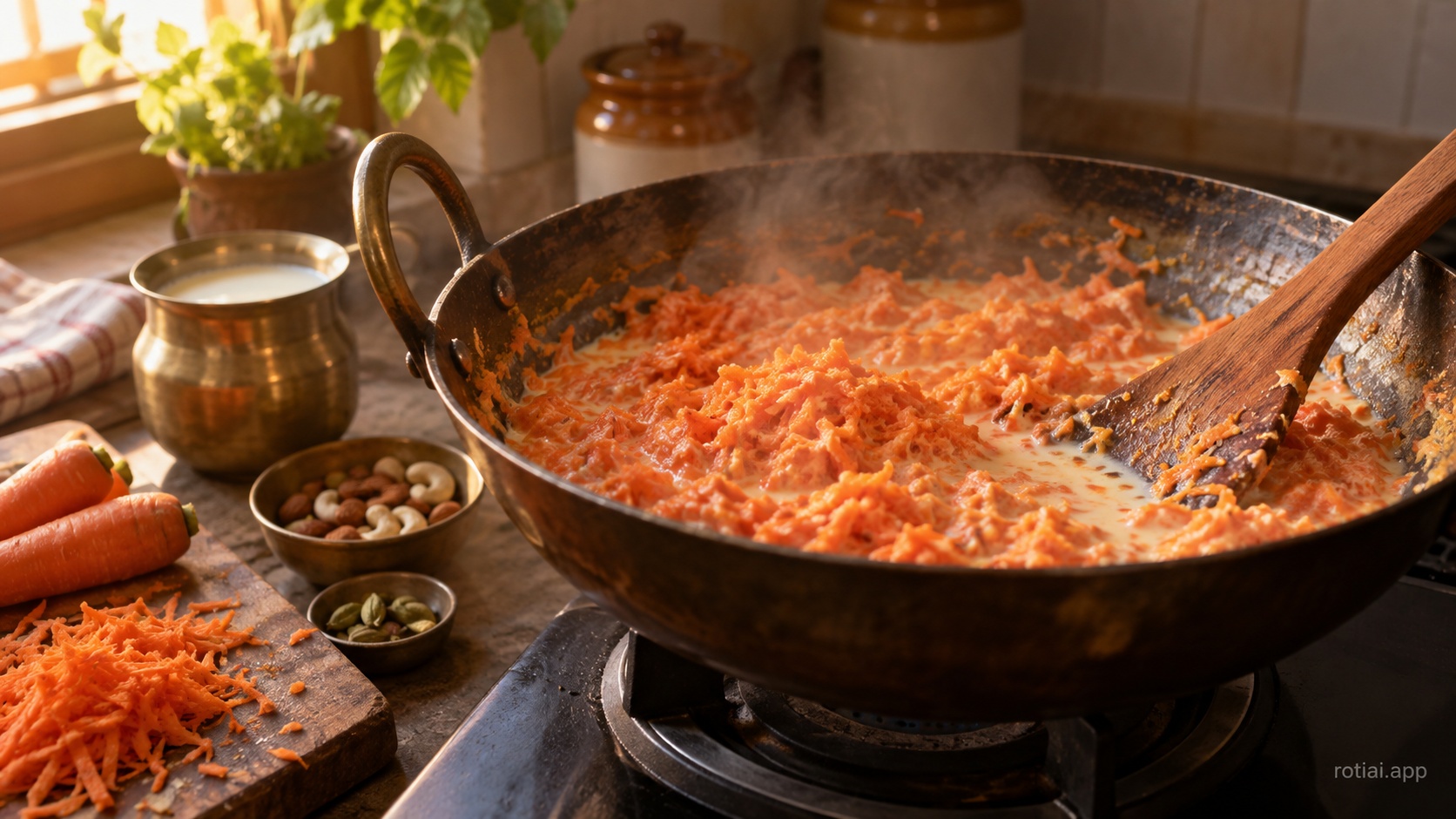
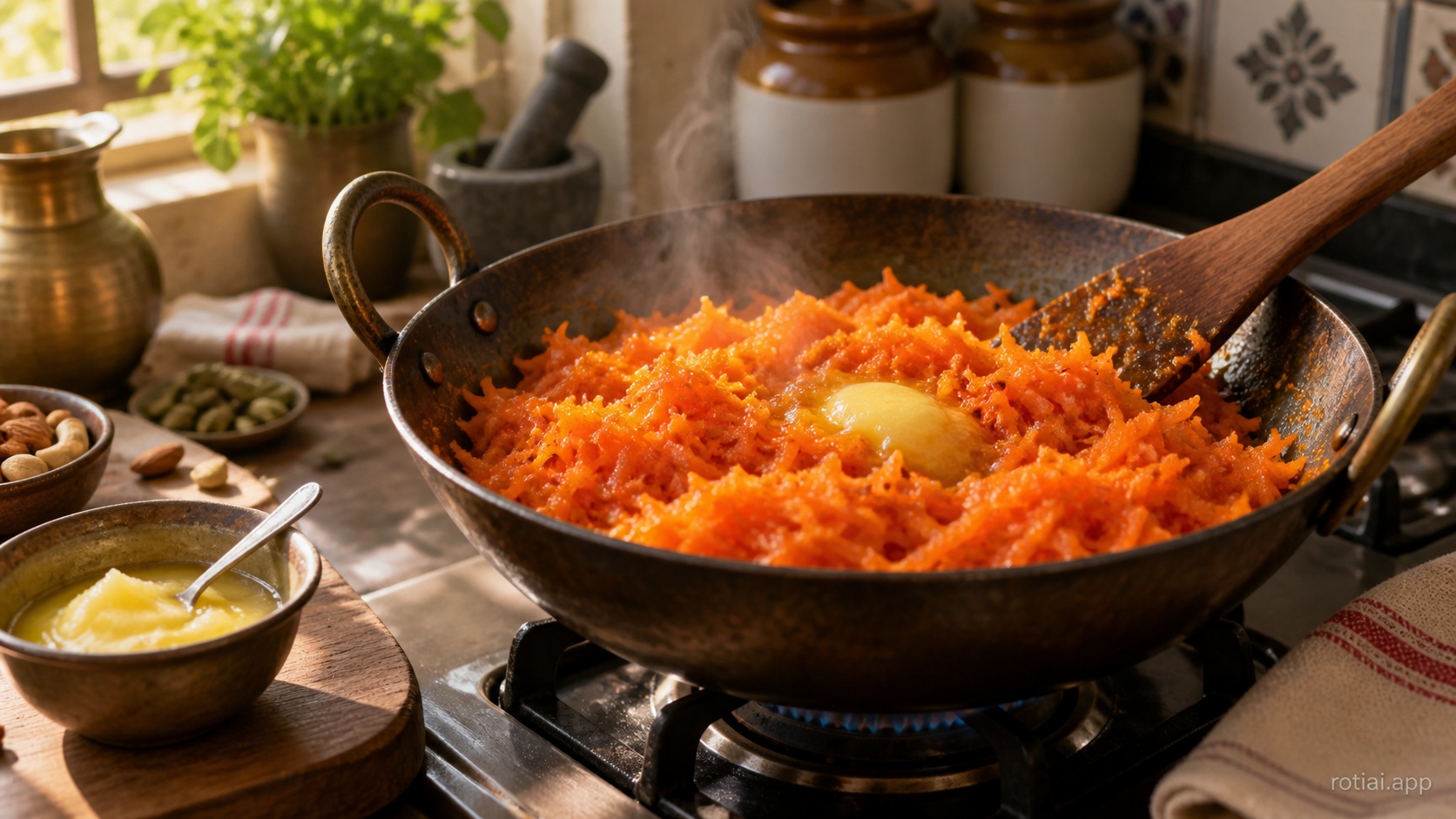
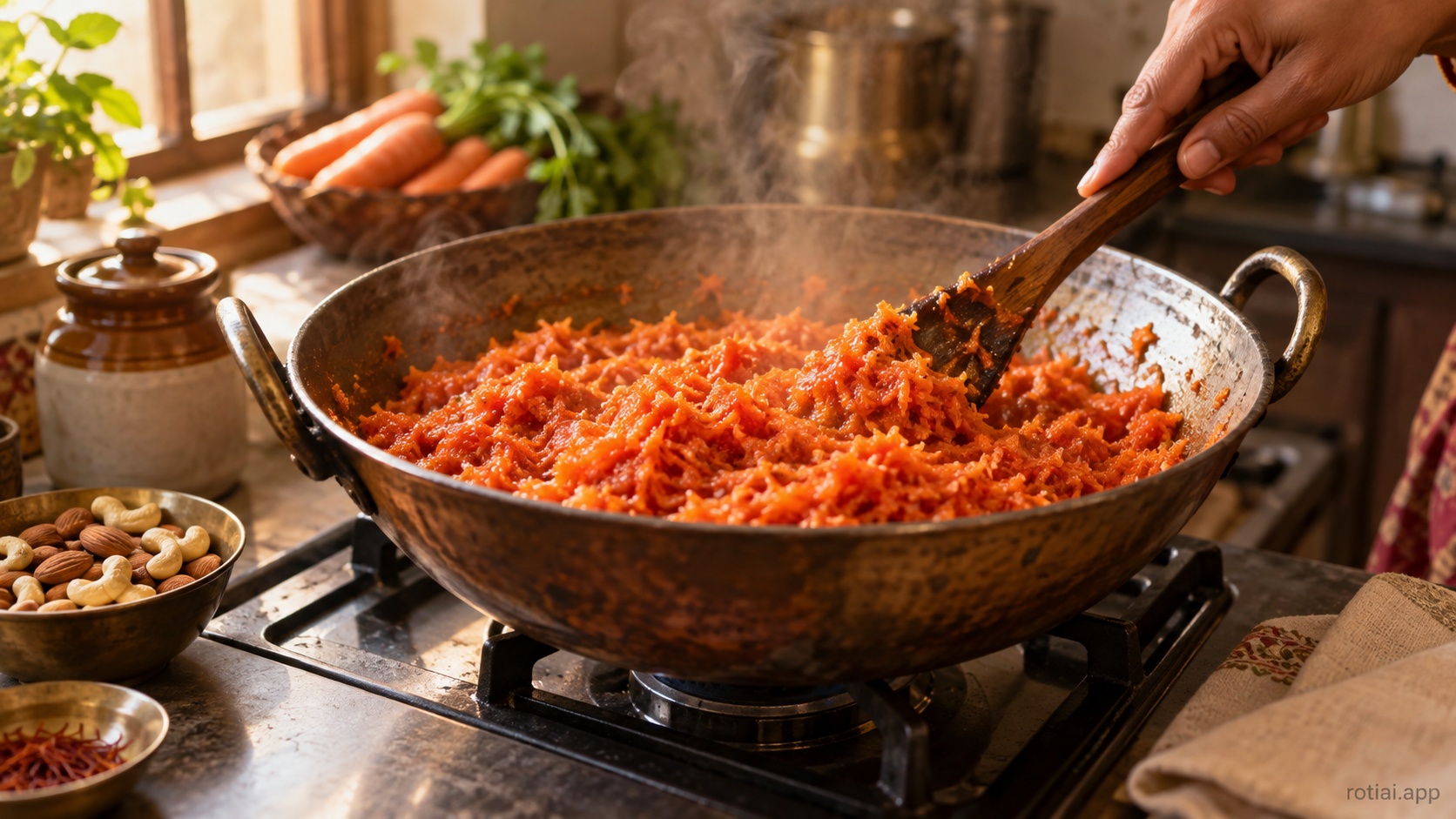
The single most important — and most time-consuming — step in gajar ka halwa is cooking off the milk completely before the ghee goes in. Rushing this stage by turning up the heat leaves you with a wet, soupy halwa instead of the dense, fudgy texture it’s known for.
Stir occasionally rather than constantly during the milk-reduction stage so you don’t need to babysit the pot the entire time, but do check every few minutes toward the end since the mixture thickens quickly once most of the milk has evaporated and can catch at the bottom if left unattended. Adding the khoya near the end rather than the beginning keeps its texture distinct within the halwa instead of dissolving it completely into the carrot base.
Balancing the soup for the table
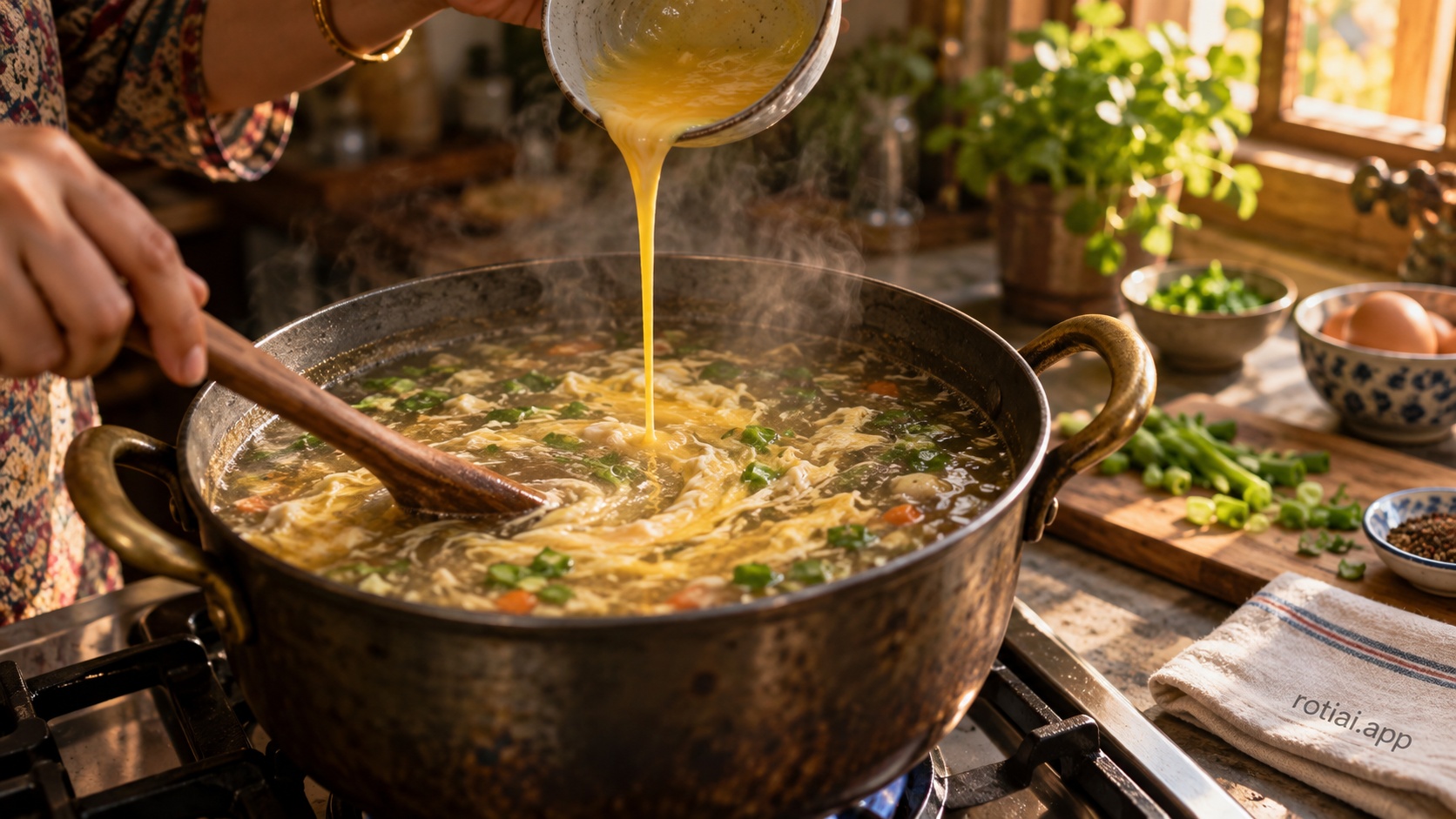
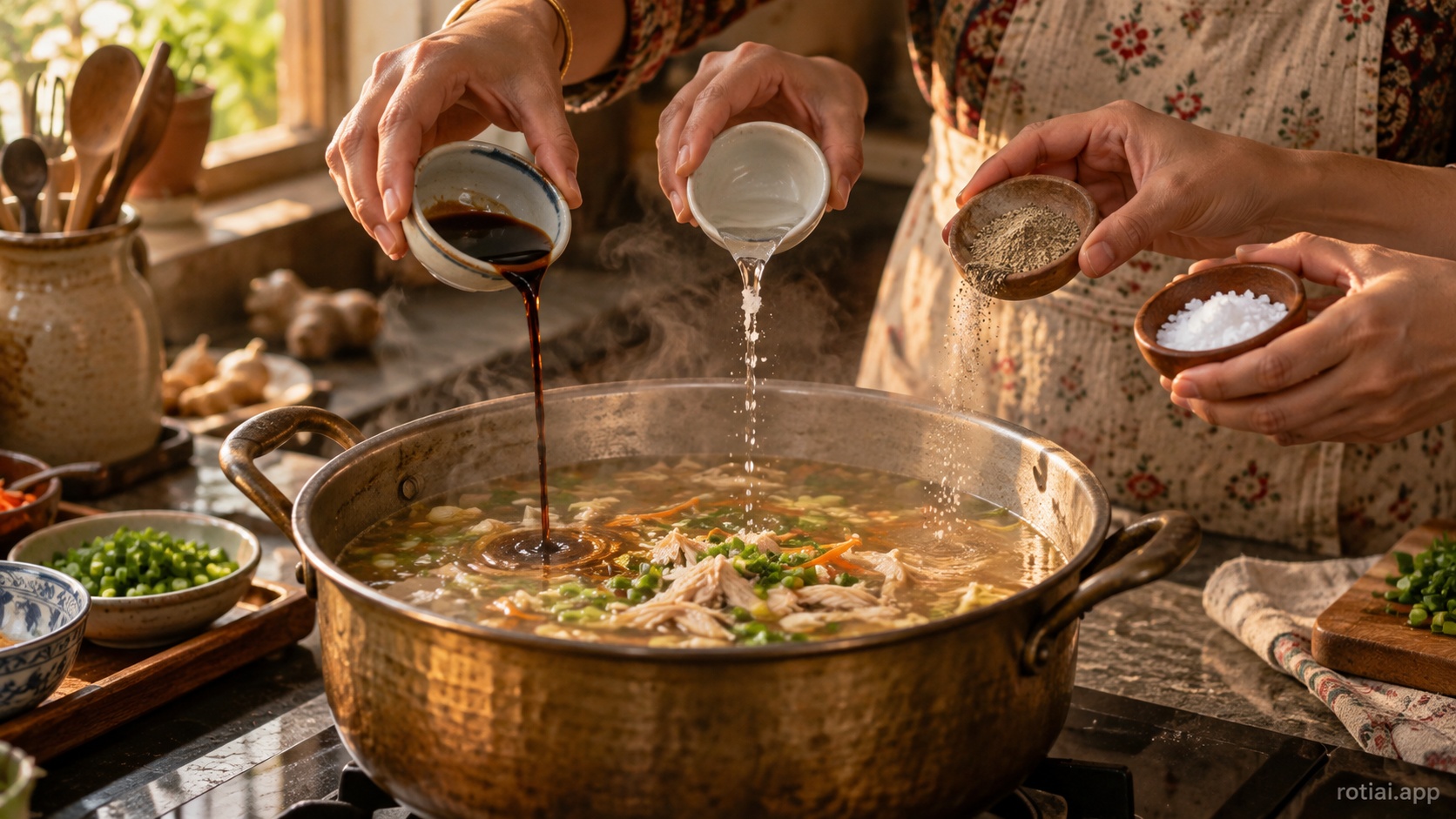
Chicken corn soup is deceptively easy to get wrong in one specific way: pouring the egg in too quickly. The classic ribboned-egg texture depends on a thin, steady stream poured while continuously stirring the soup in one direction — dump it in all at once and you’ll get scrambled egg clumps instead of fine ribbons. If you like a thicker soup, increase the cornflour slurry slightly rather than reducing the stock, since reducing the stock too much concentrates the saltiness from the soy sauce.
Common Winter/Sardi Desi Comfort Food Recipes recipe mistakes to avoid
- Grating carrots too coarsely for halwa. Large shreds take longer to soften and can leave the halwa with an uneven, stringy bite. A fine to medium grate cooks down more evenly.
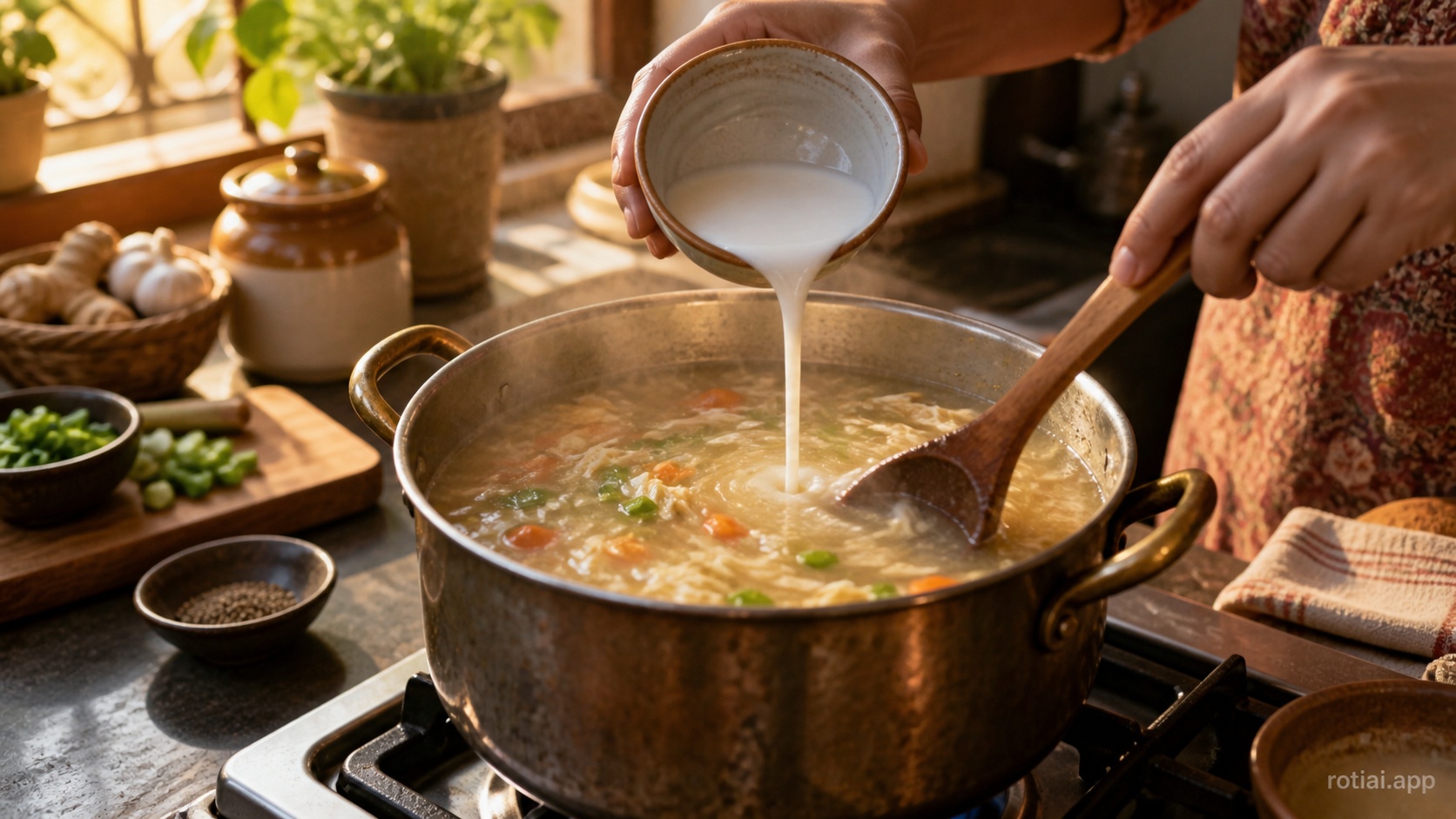
- Adding cornflour slurry directly without mixing it with cold water first. Dropping dry cornflour straight into hot soup creates lumps that are hard to break up. Always mix it into a smooth paste with cold water before adding it to the pot.
- Serving gajar ka halwa cold. Unlike some desi sweets, halwa is meant to be eaten warm — the ghee firms up and the texture turns dense and less appealing once it cools fully.
FAQ: Winter/Sardi Desi Comfort Food Recipes recipe
Can gajar ka halwa be made in advance for a winter gathering?
Yes — it keeps well in the fridge for up to 4–5 days and reheats nicely in a pan with a small splash of milk to loosen it back up. Many households consider it even better the next day, once the flavours have settled.
Is there a lighter version of chicken corn soup?
You can reduce the oil and use a low-sodium stock, and swap the whole egg for just the egg white if you want a lighter finish — the ribboning technique works the same way either way.
What can I substitute for khoya in gajar ka halwa if I can’t find it?
Milk powder mixed with a little ghee makes a reasonable substitute, or you can simply extend the milk-reduction time and skip khoya altogether for a slightly less rich but still authentic halwa.
Keep your winter menu balanced with RotiAI
Sardi food is comfort food — warming, rich and easy to go back to for more. Want to enjoy the halwa without losing the plot? Calculate any dish’s exact kcal in RotiAI, and let Sehat Mode help you fit winter comfort food into a balanced desi diet plan all season long. Craving more warming mains for the cold months? Try the palak gosht recipe or check the calorie breakdown for chicken yakhni soup for another hot-bowl option.