 RotiAI

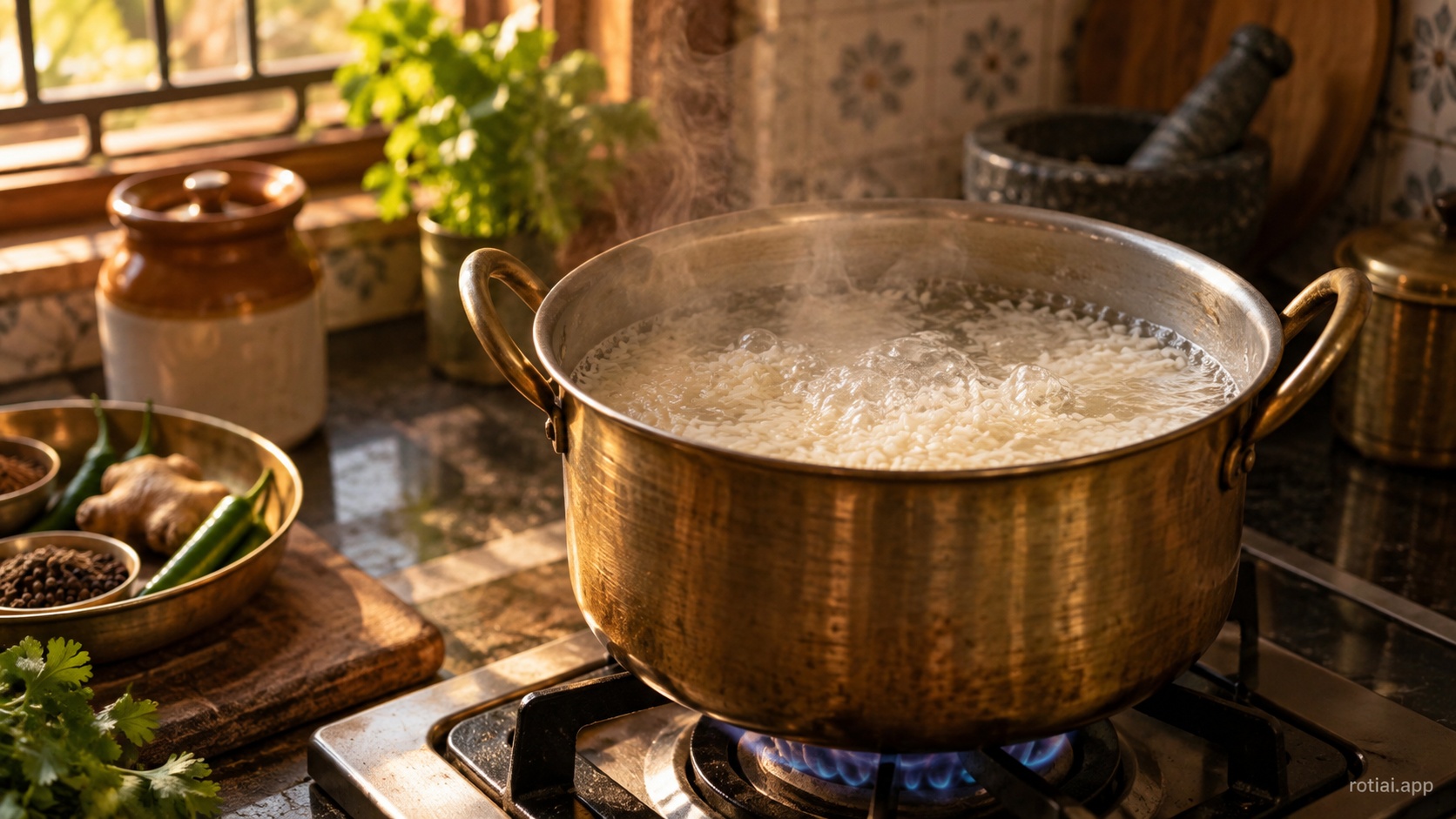
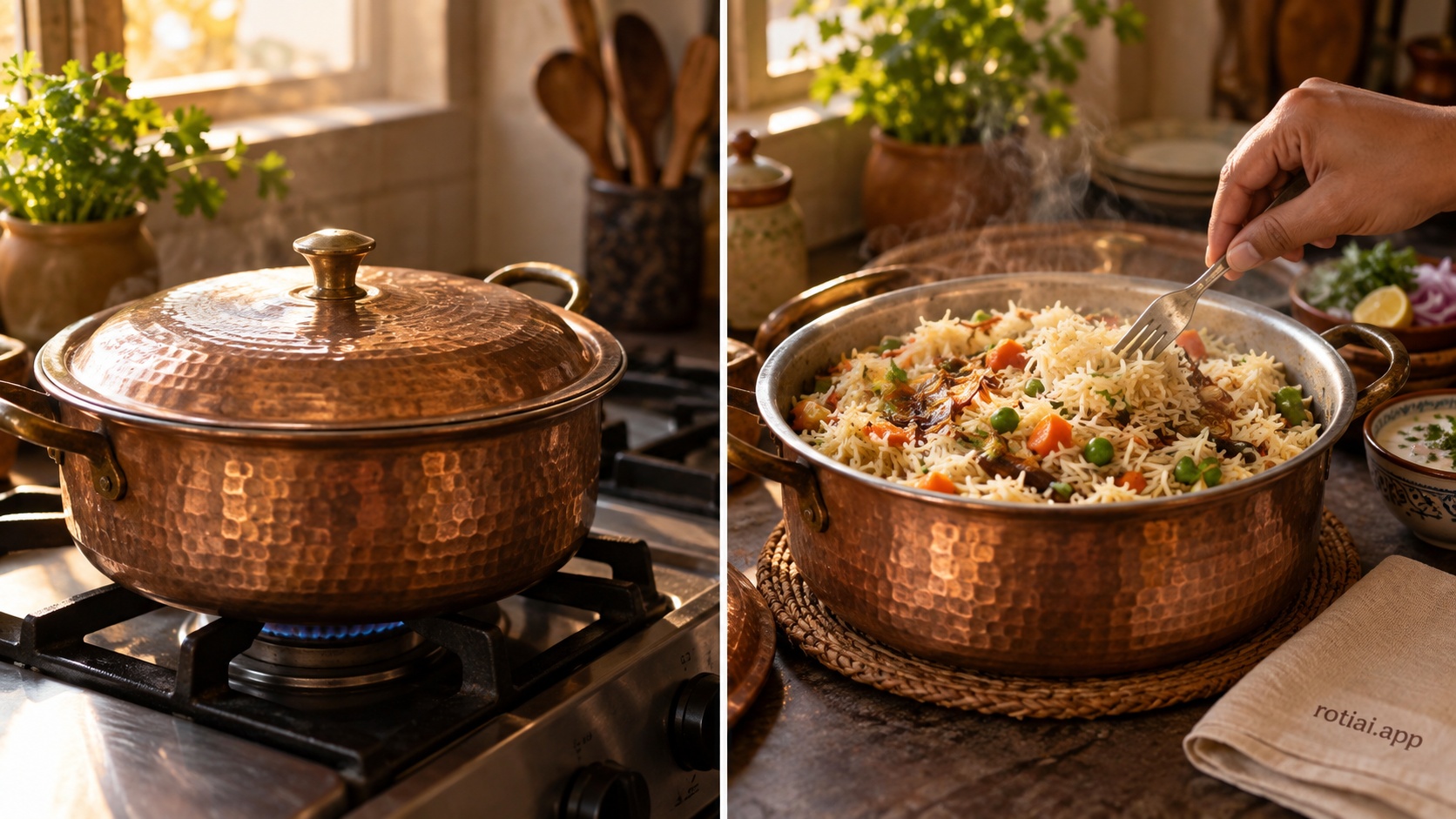
Vegetable pulao (ویجیٹیبل پلاؤ) is the kind of one-pot rice dish that turns a handful of everyday vegetables into something fragrant and festive. This vegetable pulao recipe serves 4, takes about 35 minutes, and comes in at roughly 550 kcal per serving, where a serving is one quarter of the pot (about 400 g, around 275 kcal per 200 g cup) — hearty enough to be the main event at lunch.
Pulao is a familiar sight at Pakistani dopehar (lunchtime) tables and at family gatherings, where a big pot of it is often the first thing to disappear. It’s fully vegetarian, easy to scale up for guests, and a good way to use whatever vegetables are in the fridge.
Why this Vegetable Pulao recipe works
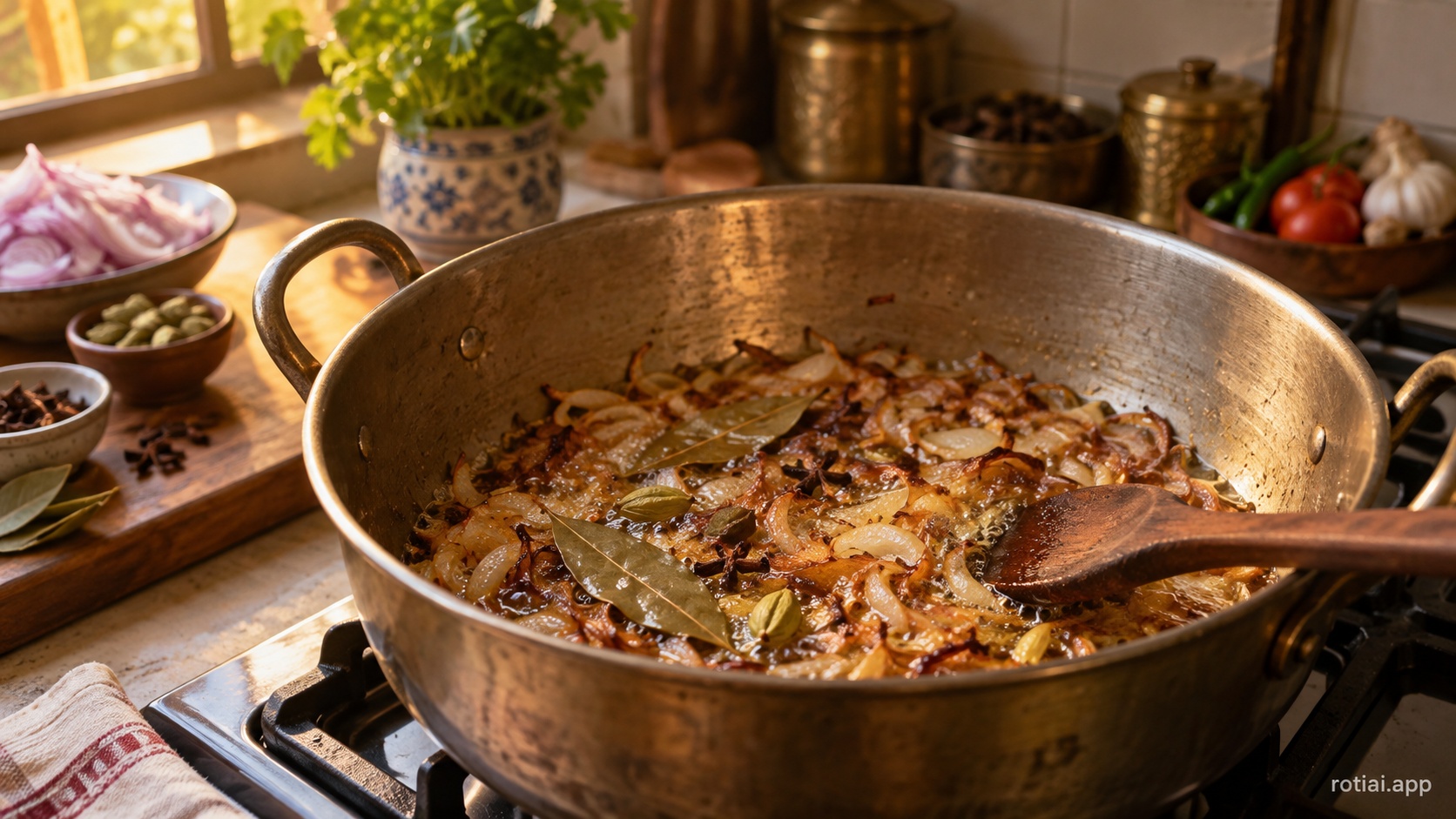
Pulao lives or dies on the ratio of rice to water and on how gently it’s steamed at the end. The trick with this recipe is frying the whole garam masala in oil first — bay leaves, cloves, and cardamom release their oils into the fat rather than the water, so every grain of rice carries flavour instead of just the top layer.
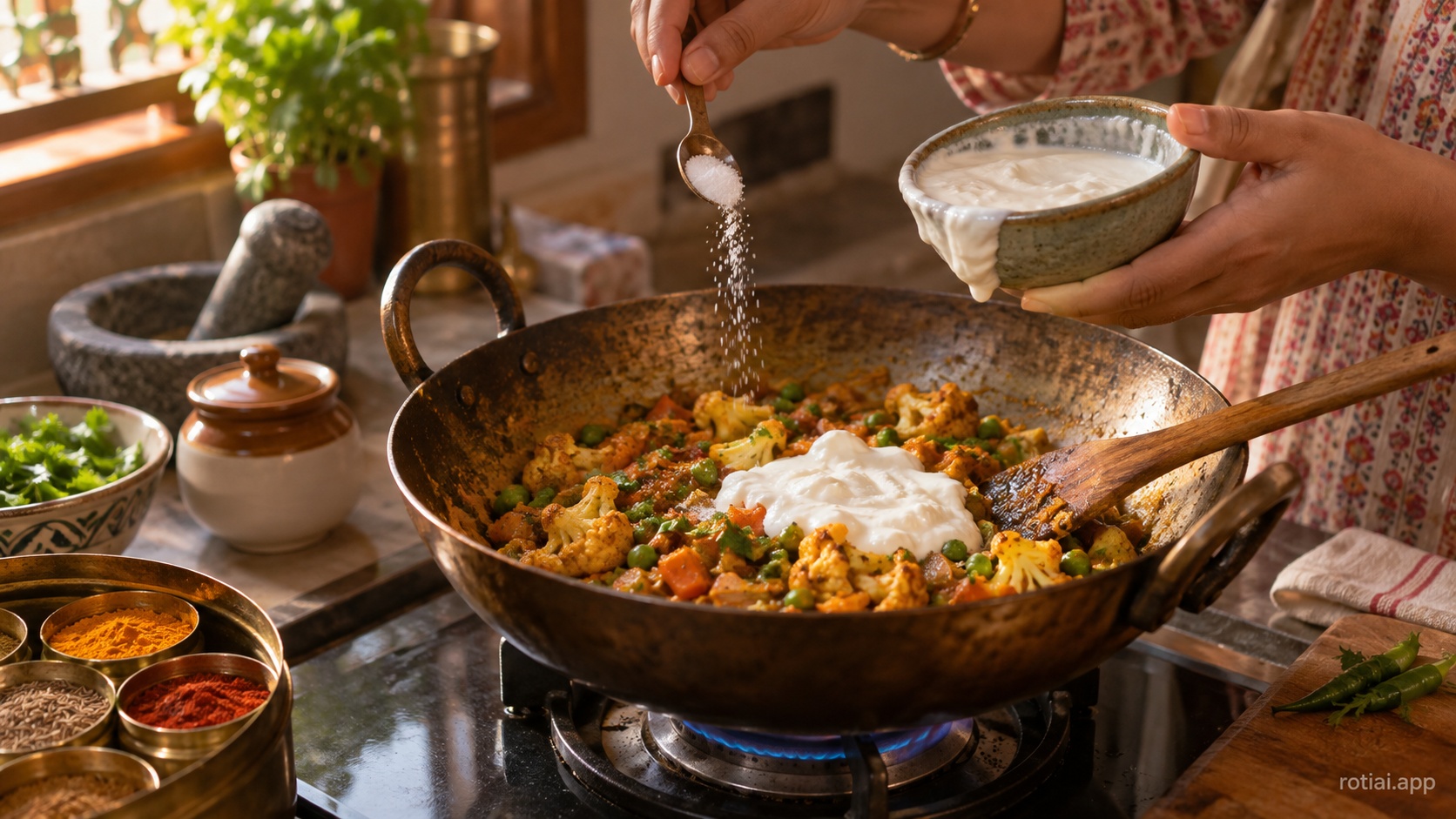
Cooking the yogurt down with the vegetables before the rice goes in also matters: it thickens the base into a light coating that keeps the rice separate and glossy rather than mushy, which is the single biggest difference between a good pulao and a average one.
Chef’s tips for the perfect Vegetable Pulao
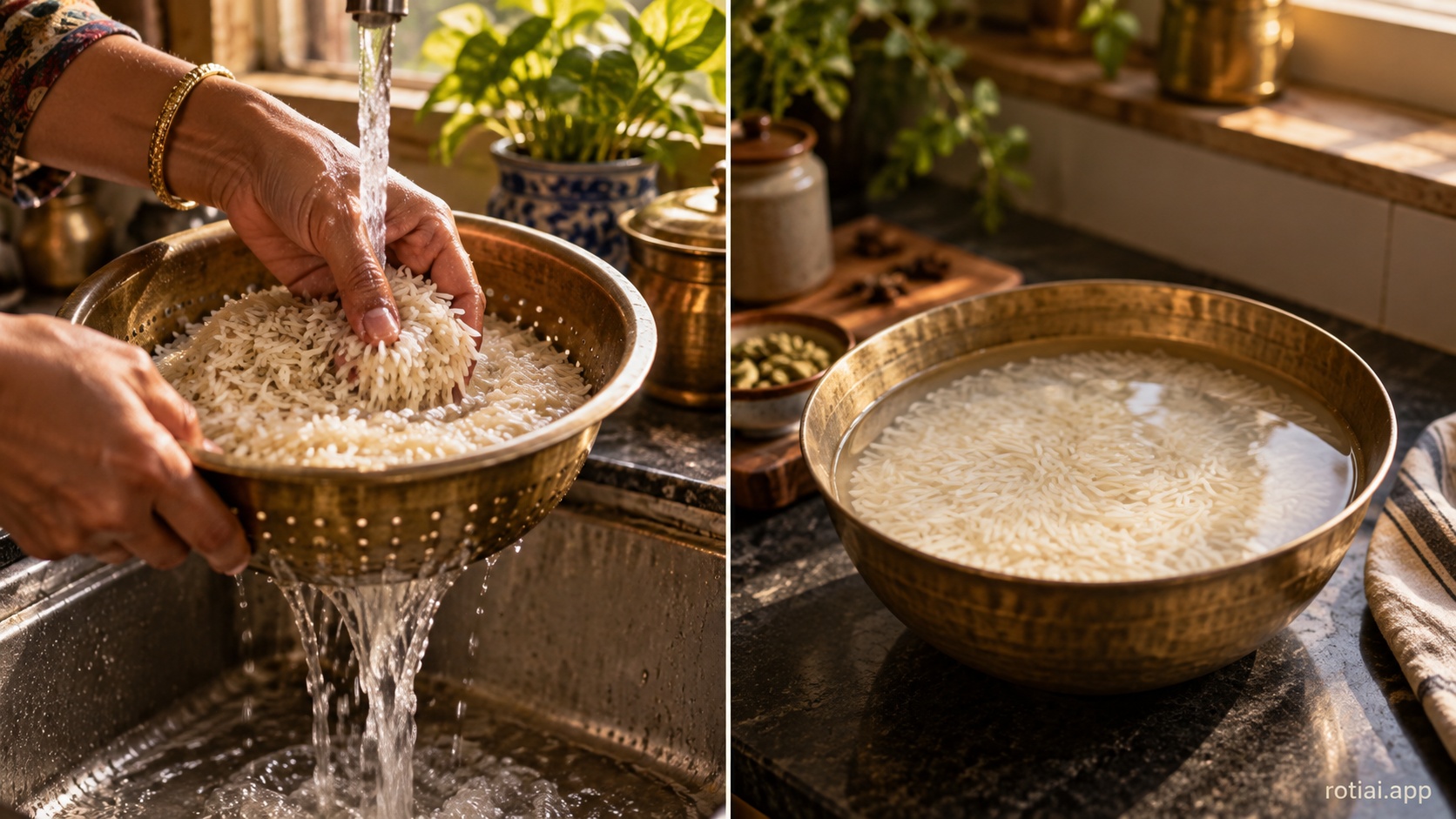
- Soak the rice properly. Thirty minutes of soaking lets the grains hydrate partway, which shortens cooking time and keeps them from breaking apart during the dum stage.
- Don’t skip the resting time. Turning off the heat and leaving the pot covered for 10 minutes after cooking lets residual steam finish the job gently — opening the lid too early releases that steam and can leave the centre undercooked.
- Fluff, don’t stir. Use a fork rather than a spoon when separating the grains at the end; stirring vigorously breaks the rice and turns the dish starchy.
- Layer aromatics generously. If you like a deeper flavour, add a few strands of soaked saffron or a splash of kewra water to the rice just before covering it for dum.
Choosing your vegetables
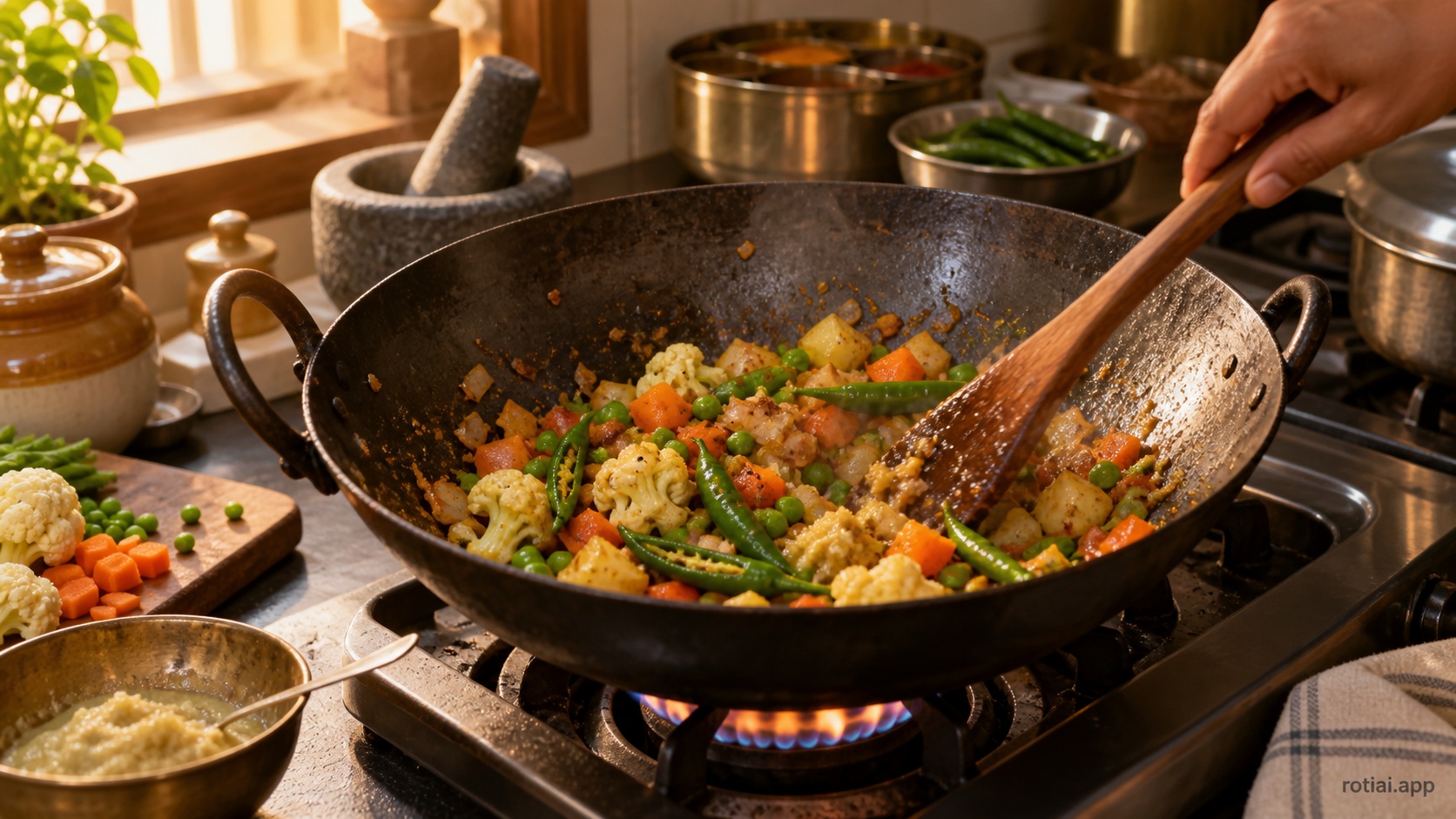
The 3 cups of “mixed vegetables” in this recipe is deliberately flexible. A classic combination is carrots, green beans, peas, and potato cut into small, even cubes so everything cooks through in the same 15-minute dum.
Cauliflower florets and bell peppers work well too, though softer vegetables like courgette should go in a couple of minutes later than the rest so they don’t turn to mush. If you’re using frozen mixed vegetables, thaw and drain them first — extra water thrown into the pot at the frying stage will make the base too wet and throw off the rice-to-water ratio later.
How to serve Vegetable Pulao
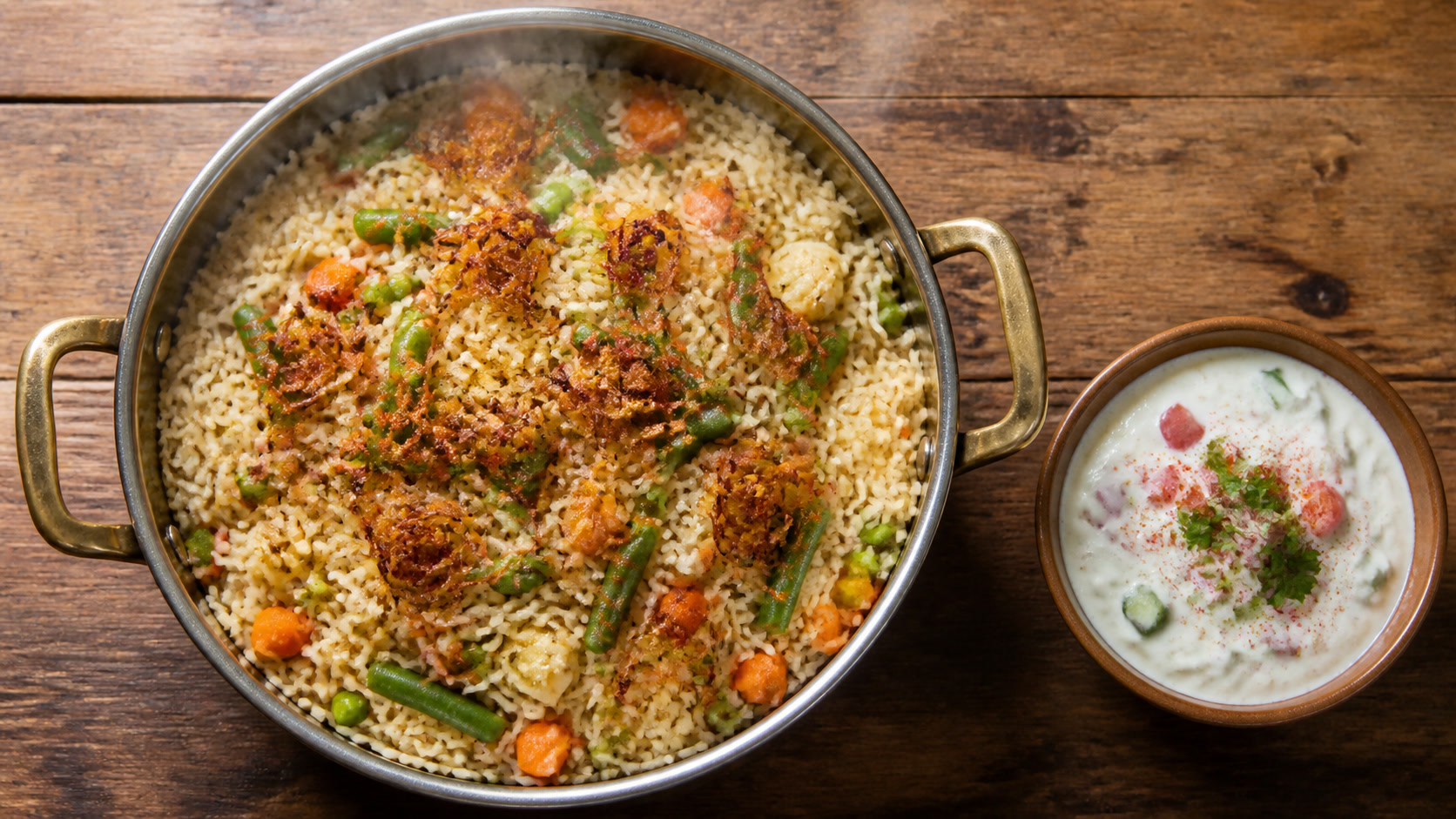
Serve the pulao hot with a side of raita and a simple kachumber salad — the cool yogurt balances the warm spices beautifully. It also holds up well as a next-day lunchbox dish.
Common Vegetable Pulao recipe mistakes to avoid
- Too much water. Excess water is the most common reason pulao turns sticky. Stick close to the 1:1.5 rice-to-water ratio used here (2 cups rice to 3 cups water) and adjust only slightly based on how long the rice soaked.
- Rushing the onions. Onions that aren’t properly browned leave the pulao tasting flat. Give them the full time to turn deep golden before adding the ginger-garlic paste.
- High heat during dum. Steaming on anything above the lowest flame will scorch the bottom layer of rice before the top has cooked. If you’re using a gas stove, a heat diffuser (tawa) under the pot helps distribute the heat evenly.
- Adding salt twice. Since the yogurt mixture is already salted in this recipe, taste before adding more at the table — pulao is easy to oversalt by habit.
Vegetable Pulao recipe variations
- Chicken or vegetable stock instead of water deepens the flavour without adding meat, a good option if you want a heartier vegetarian pulao.
- Add paneer cubes in the last 5 minutes of dum for a protein boost that keeps the dish meat-free.
- Swap basmati for brown rice for a fibre-forward version — it needs roughly 10 extra minutes of dum and about half a cup more water.
- Kashmiri-style sweet pulao adds a handful of raisins and slivered almonds fried in ghee, folded through at the very end for a sweet-savoury contrast.
Storing and reheating leftover Vegetable Pulao
Vegetable pulao keeps well in an airtight container in the fridge for up to 3 days. Reheat it in a pan with a tablespoon of water and a lid on, over low heat, to bring back the moisture without turning it mushy — a microwave works too, covered, in 60-90 second bursts with a stir in between. For longer storage, pulao freezes well for up to a month; thaw overnight in the fridge before reheating.
FAQ: Vegetable Pulao recipe
Can I make vegetable pulao without yogurt?
Yes — the yogurt adds tang and helps tenderise the vegetables, but you can substitute a splash of lemon juice added at the end, or simply leave it out and add a little extra oil for richness.
Why did my pulao turn out mushy?
Almost always too much water relative to rice, rice that wasn’t soaked or drained properly, or stirring the rice too much once it’s in the pot. Handle the grains gently after the water goes in.
Is vegetable pulao the same as biryani?
No. Pulao cooks the rice and other ingredients together in one pot from the start, giving a more uniform flavour throughout. Biryani is typically layered, with partially cooked rice and a separately cooked base assembled and then steamed together, producing more distinct pockets of flavour and colour.
Can I make this in a rice cooker or Instant Pot?
Yes — sauté the aromatics and vegetables using the sauté function first, then switch to the rice/pressure setting with the same liquid ratio, adjusting slightly since pressure cooking needs a little less water than stovetop dum.
Cook Vegetable Pulao smarter with RotiAI
Curious what a bowl of pulao adds up to on a busy week? Check the full calorie breakdown for vegetable pulao, or browse the daal chawal recipe and keema karahi recipe for more one-pot ideas worth trying next. RotiAI calculates kcal for any desi dish and, through Sehat Mode, can build a personalized diet plan around meals like this — plus the Rasoi feed for more recipes worth trying next.


Comments
to leave a comment — same account as the RotiAI app.
Check your email for a sign-in link.
Commenting as ·
Loading comments…