 RotiAI

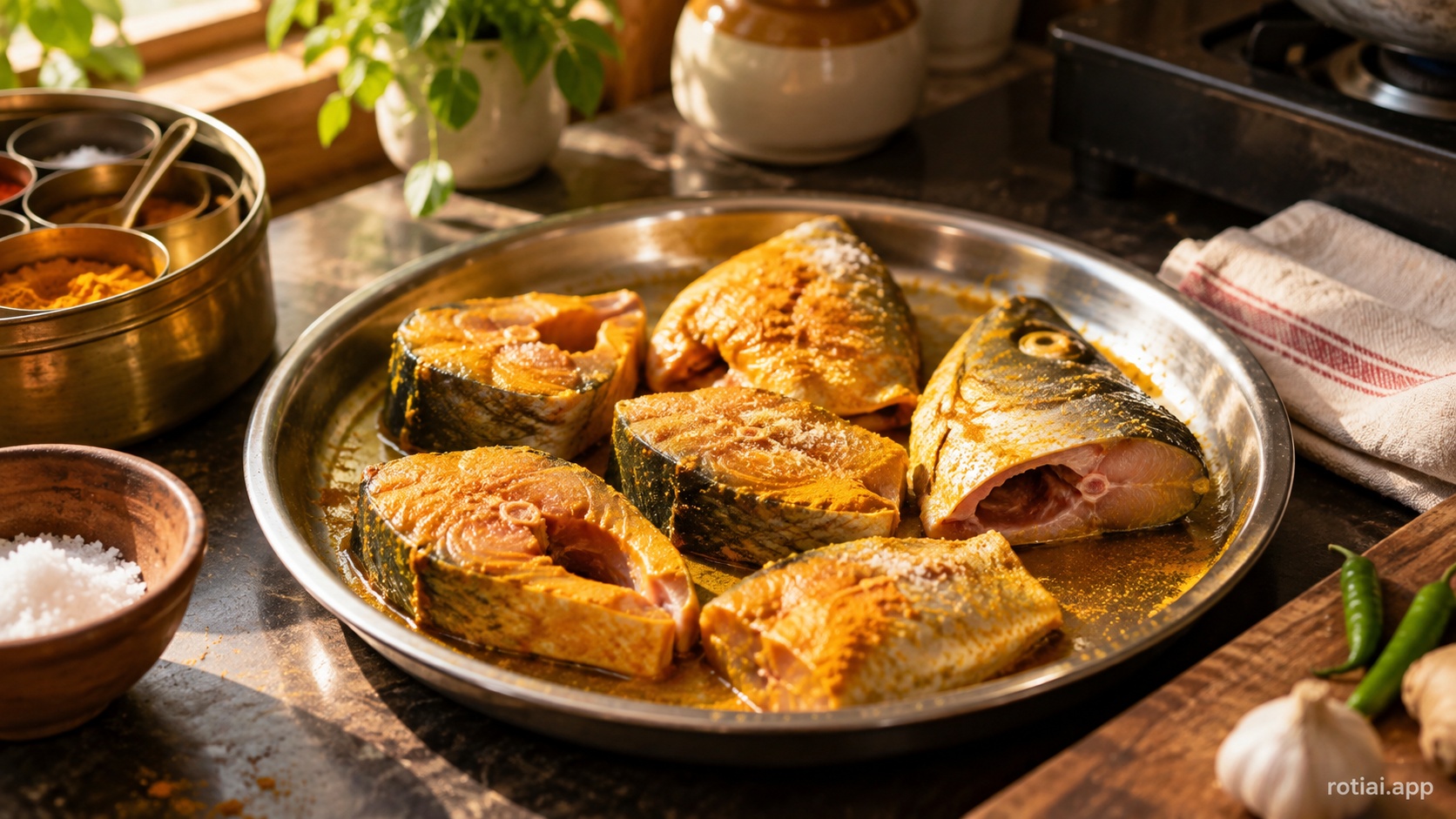
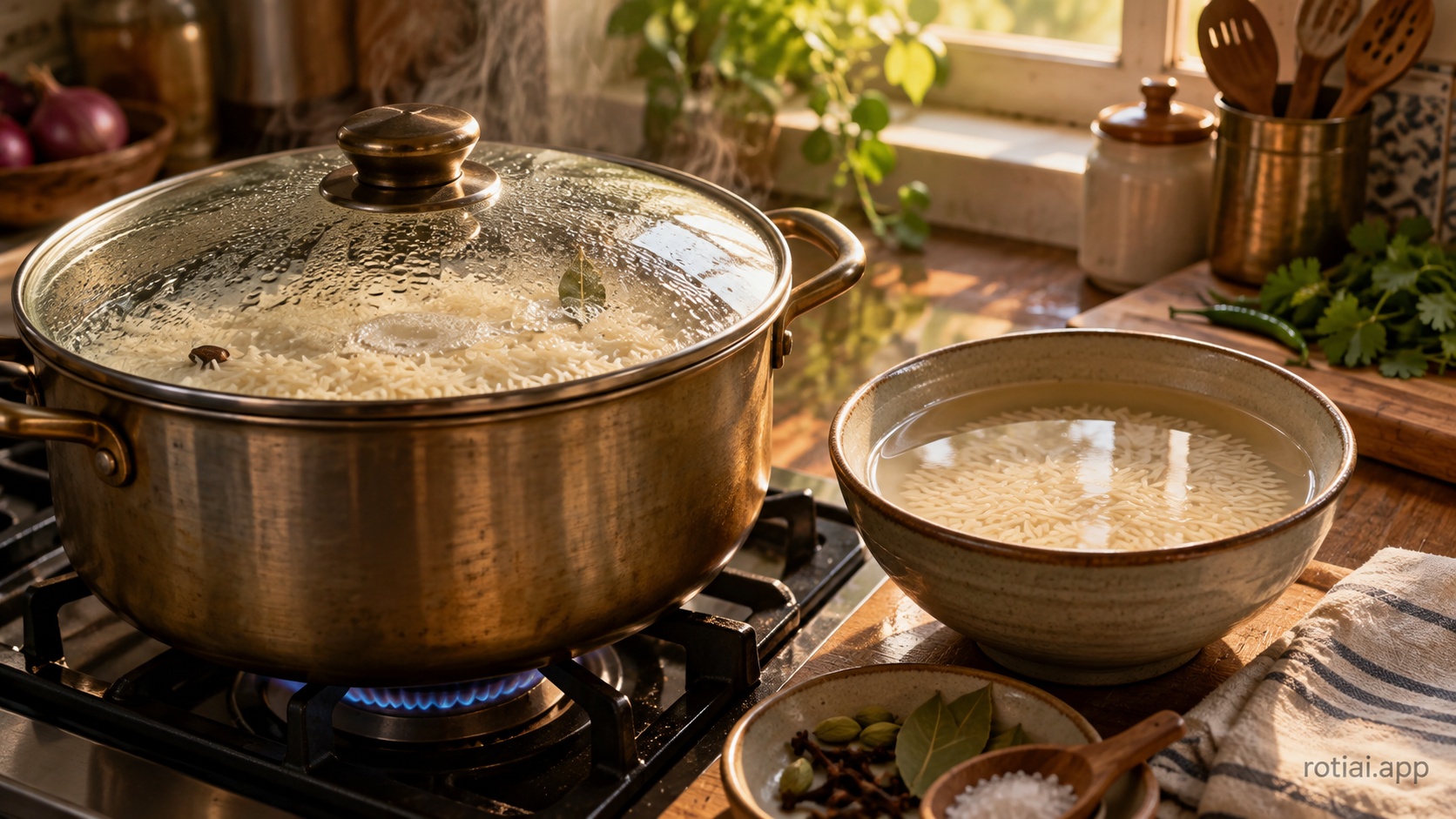
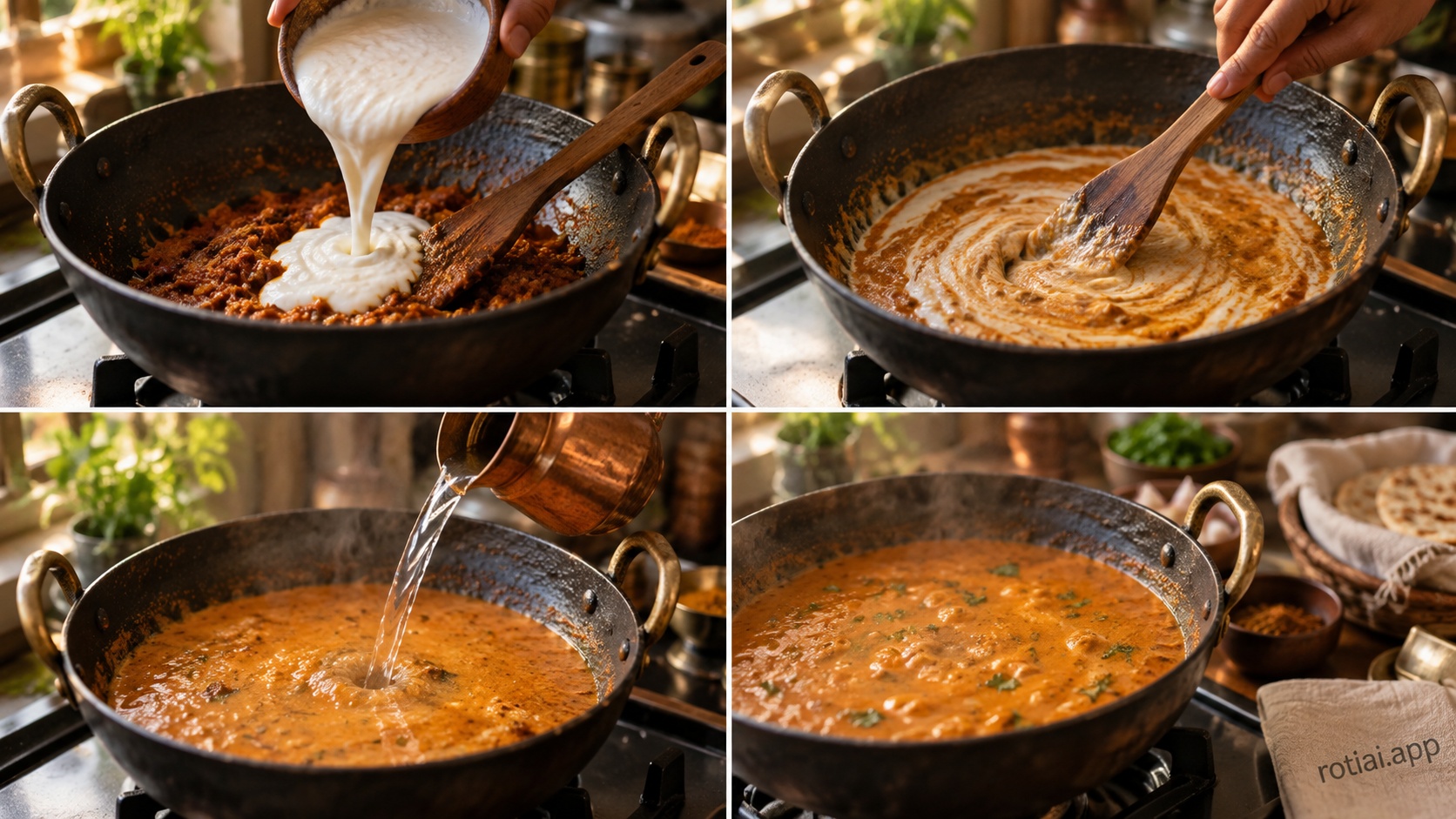
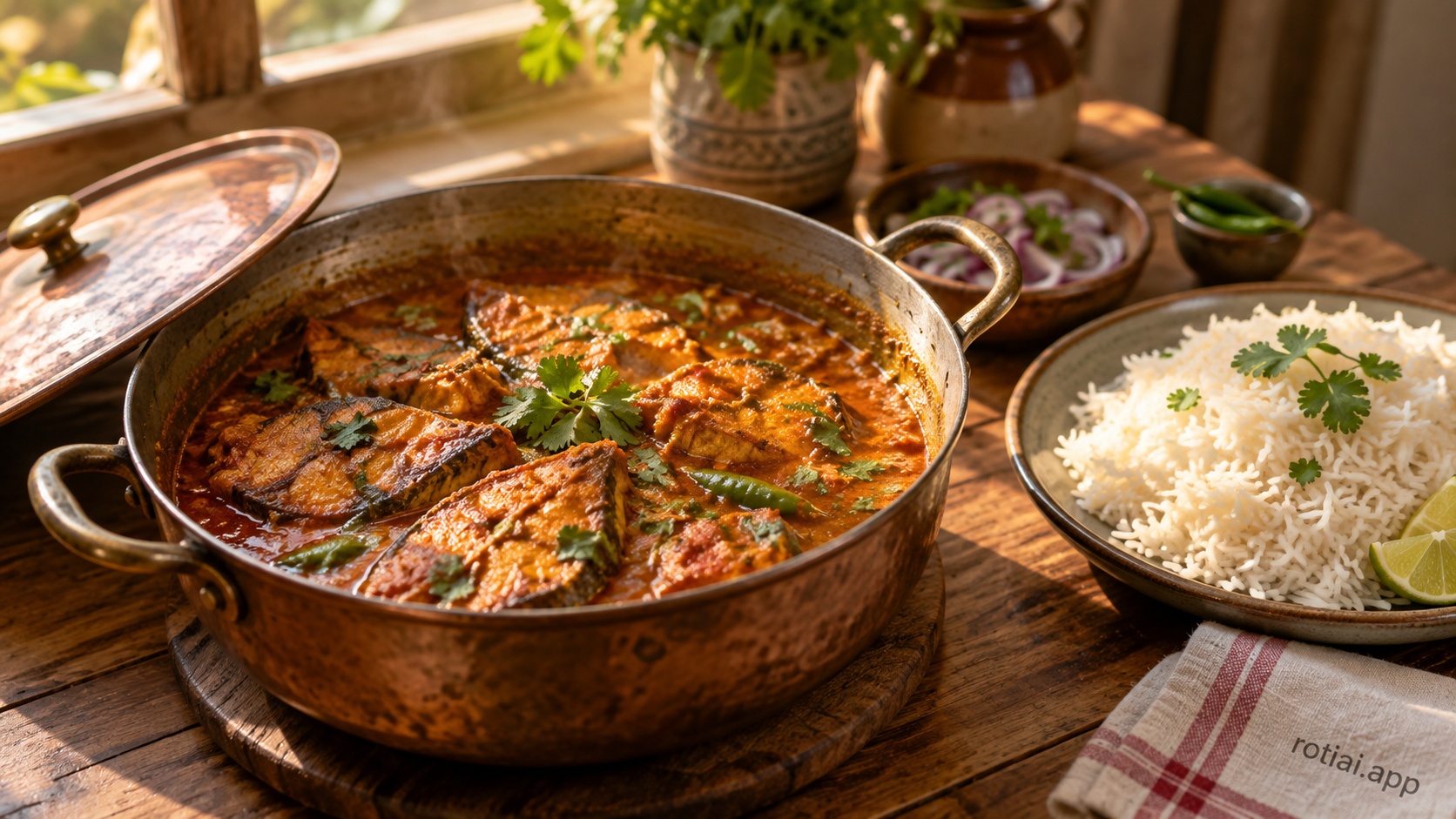
Fish curry (مچھلی سالن) with rice is a Bengali classic built on mustard oil’s sharp, distinctive flavour and a tangy tomato-yogurt gravy that clings to every piece of fish. This Fish Curry Rice recipe serves 4, takes about 40 minutes, and delivers around 400 calories a serving, with the fish bringing a solid dose of protein and omega-3s to the plate.
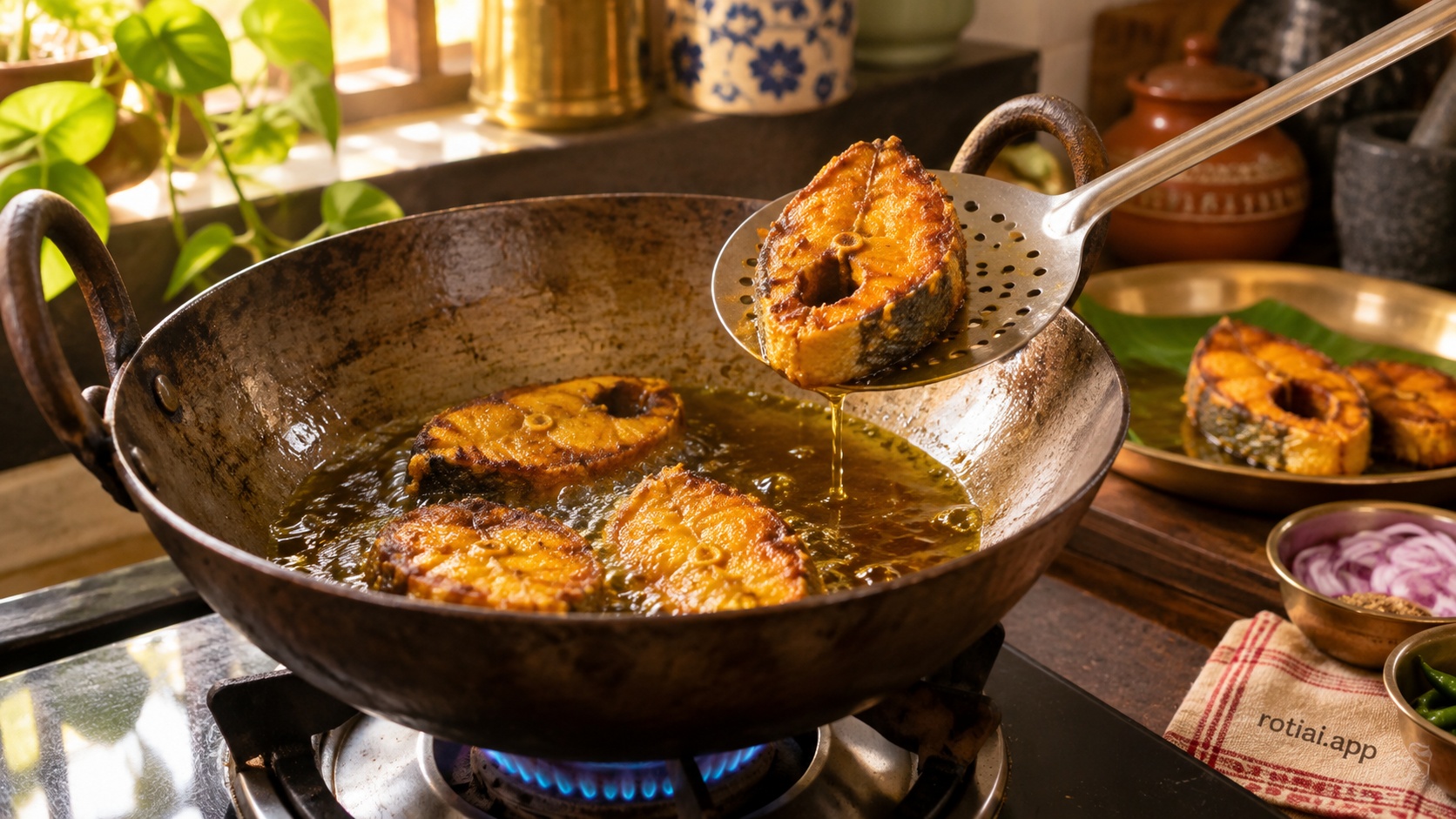
Fish curry and rice is a staple across Bengali households, where mustard oil isn’t optional — it’s what gives this curry its signature pungent depth, especially when the fish is seared first before it goes into the gravy.
Why this Fish Curry + Rice recipe works
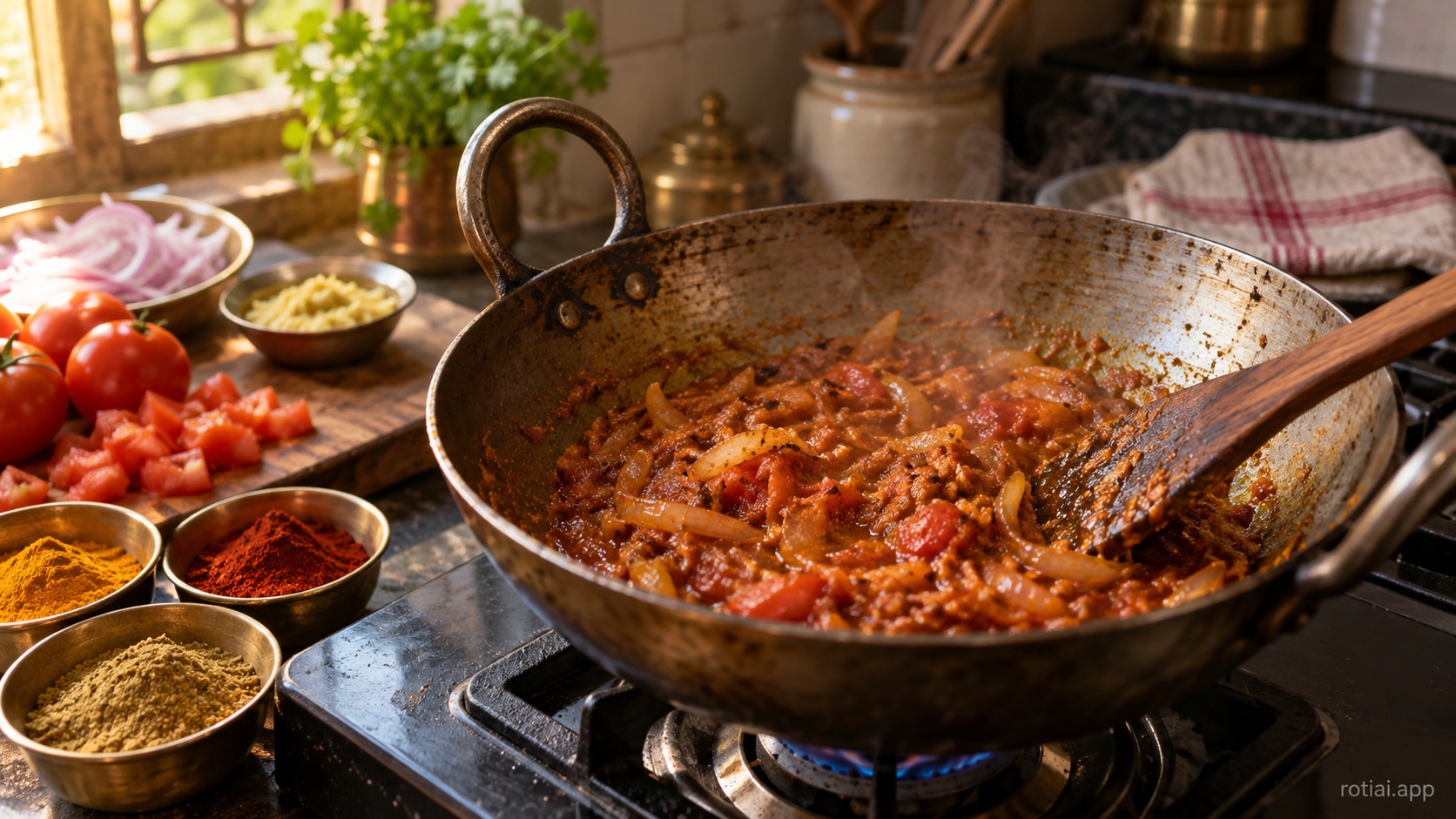
Mustard oil is the non-negotiable ingredient here. Unlike neutral cooking oils, it has a sharp, slightly bitter edge raw, but heating it past its smoke point mellows that bite into a deep, nutty pungency that plain vegetable oil can’t replicate — that flavour is what separates a Bengali fish curry from every other tomato-based curry in the desi repertoire.
Searing the fish first, rather than simmering it raw in the gravy, matters just as much: a quick 1-2 minute sear per side sets the surface protein so the fillets hold together through the second cook, instead of flaking apart into the sauce.
Whisking the yogurt in gradually, off the peak heat, is the other technical detail worth respecting. Yogurt’s proteins curdle fast against high heat or a sudden temperature change, so adding it a little at a time on lowered heat keeps the gravy smooth instead of breaking into a grainy, split sauce.
How to serve Fish Curry + Rice
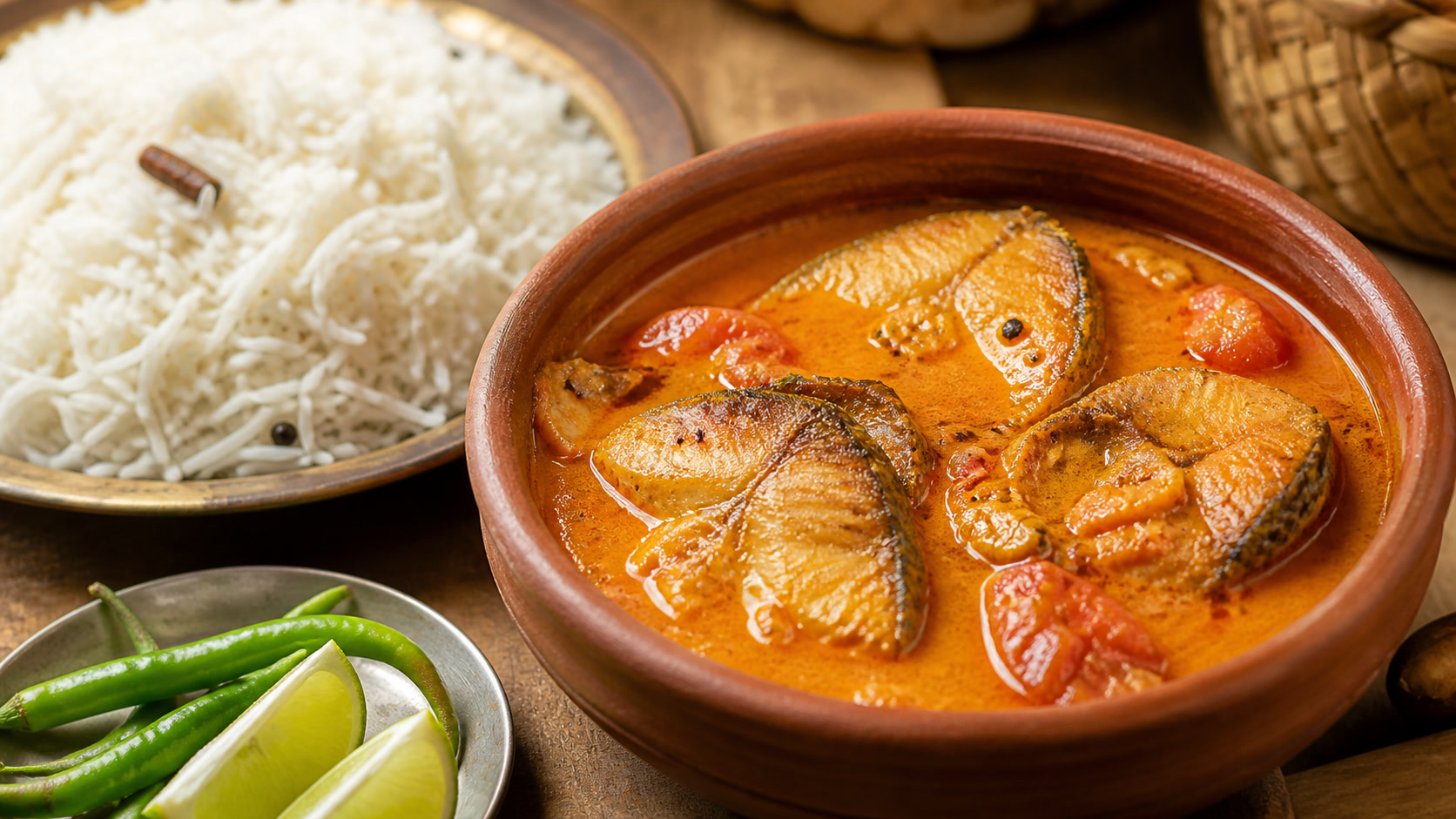
Ladle the fish and gravy generously over a mound of hot basmati rice, and serve with a wedge of lime and a few slit green chillies on the side for extra heat if you like it spicier.
Common Fish Curry + Rice recipe mistakes to avoid
- Adding yogurt straight into a hot pan. This is the single most common way this dish goes wrong — always lower the heat first and stir the yogurt in gradually.
- Overcooking the fish in the gravy. Firm white fish only needs 7-8 minutes to finish cooking through once it’s back in the sauce; longer than that and it turns dry and starts breaking apart.
- Skipping the salt-and-turmeric rest. The 15-minute rest before cooking isn’t just for flavour — it also firms up the fish slightly, which helps it hold together during searing.
- Using a mild, refined oil instead of mustard oil. You can substitute in a pinch, but the dish loses its signature pungency; if mustard oil is unavailable, add a small amount of mustard seeds tempered in regular oil to approximate the flavour.
Fish Curry + Rice recipe variations
- Shorshe maach — go heavier on mustard by blending mustard seeds into a paste with green chilli and adding it to the gravy for the classic Bengali mustard-fish preparation.
- Coconut fish curry — swap the yogurt for coconut milk for a South Indian-leaning version with a sweeter, richer base.
- Prawns instead of fish — the same masala works well with prawns; reduce the final simmer to 4-5 minutes since prawns cook much faster than fish fillets.
- Pair it with a lighter side by browsing our vegetable pulao recipe instead of plain rice for a more festive spread.
Storing and reheating leftover Fish Curry + Rice
Fish curry keeps in the fridge for up to 2 days — any longer and the fish texture starts to suffer, even though the gravy itself would keep fine for longer. Reheat gently on the stove over low heat, covered, just until warmed through; a hard boil will overcook the fish further and dry it out. Freezing isn’t recommended for this dish, since the yogurt-based gravy tends to split on thawing. Rice, on the other hand, freezes and reheats well for up to a month if you want to meal-prep the base separately.
FAQ: Fish Curry + Rice recipe
Can I use frozen fish for this curry?
Yes, as long as it’s fully thawed and patted dry before searing — excess moisture will make it steam instead of sear, and you’ll lose the browning that helps it hold together in the gravy.
What’s the best fish to use if firm white fish isn’t available?
Rohu, katla, or basa all work well as substitutes; the key trait you’re looking for is a fish that holds its shape through two rounds of cooking rather than flaking apart immediately.
Why does my gravy taste bitter?
That usually means the mustard oil wasn’t heated long enough before the onions went in — mustard oil needs to be brought just to smoking point and held there briefly to burn off its raw pungency before you build the masala on top of it.
Do I need to remove the fish skin before cooking?
It’s optional — skin-on fish holds together slightly better through the sear and second simmer, and crisps nicely if seared skin-side down first. If you prefer skinless, just handle the pieces a little more gently when returning them to the gravy.
Cook Fish Curry + Rice smarter with RotiAI
Curious what a plate like this adds up to calorie-wise? RotiAI can break it down for any desi dish, and Sehat Mode turns that into a personalized diet plan built around the food you actually cook. Check the calorie count for fish curry rice, or if you’re eating for weight loss, see how it compares on our roti vs rice for weight loss guide.


Comments
to leave a comment — same account as the RotiAI app.
Check your email for a sign-in link.
Commenting as ·
Loading comments…